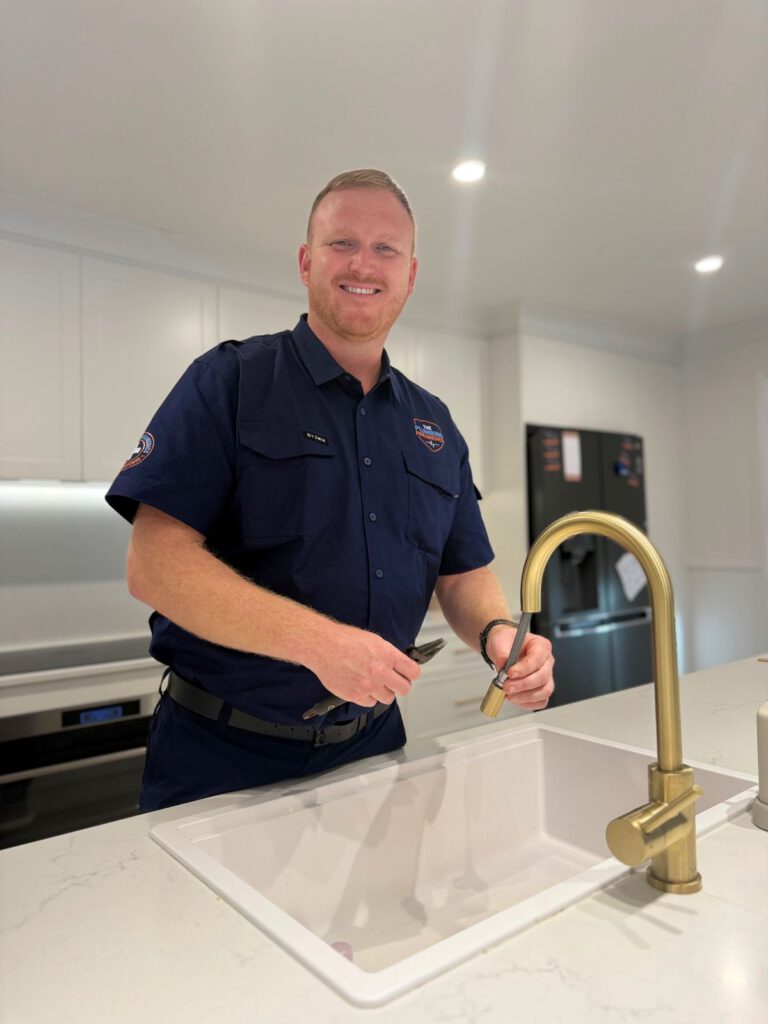
Flexi-hoses typically last between 5 to 10 years, but many may fail before reaching this expected lifespan. These braided silver hoses are usually found under taps, toilets, and kitchen sinks. When a flexi-hose bursts, it can release mains-pressure water until someone turns it off, making these hoses a significant cause of indoor flooding incidents in the Hills District.
Let’s explore their actual lifespan, the causes of their failures, and how to inspect your hoses to prevent potential disasters.
Understanding Flexi-Hoses: What Are They and How Do They Work?
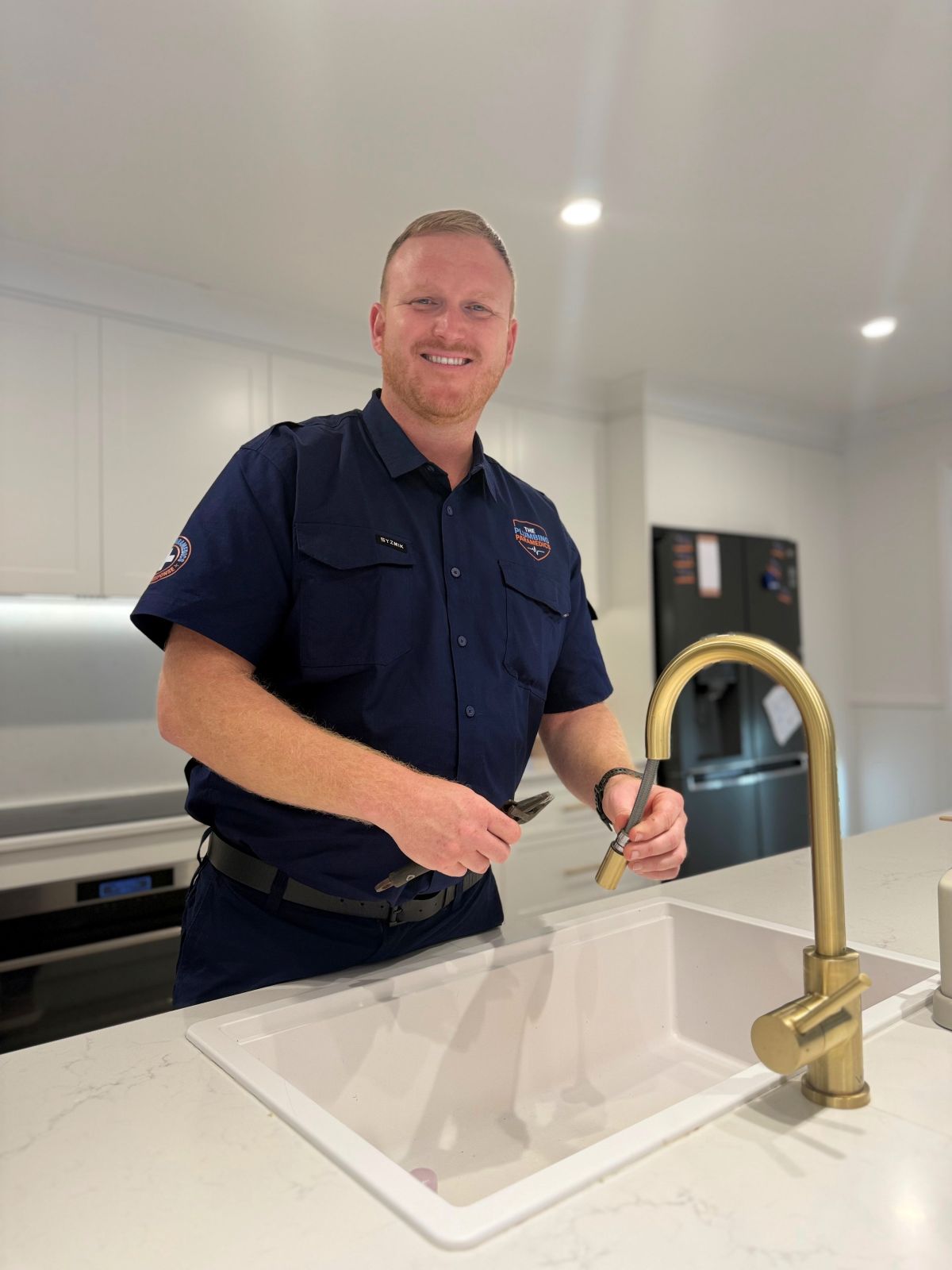
A flexi-hose, also known as a flexible braided hose, serves as a connector between your water supply and various fixtures, including those beneath bathroom vanities, kitchen sinks, toilet cisterns, and laundry areas. Inside these hoses is a rubber tube, protected by a woven stainless steel braid designed to endure pressure.
Flexi-hoses are affordable, easy to install, and are commonly used in modern homes across Sydney. their limited lifespan means a sudden failure can lead to a significant leak, unlike the gradual onset of a slow leak.
What Is the Anticipated Lifespan of Flexi-Hoses?
You can generally expect flexi-hoses to last between 5 and 10 years. Manufacturers often reference this range as a standard lifespan, with many warranties leaning towards the lower end. While some hoses may exceed ten years, others might fail after just five.
The variability in lifespan can be attributed to several factors, including water pressure, water quality, hose material, and the installation environment. For example, a lower-quality hose placed in a humid, hot location under high pressure will not last as long as a high-quality hose installed in a dry, well-ventilated cupboard.
As a general guideline, if you are unsure about the age of your hoses, consider replacing any that are over ten years old.
What Factors Lead to Flexi-Hose Failures and Result in Home Flooding?
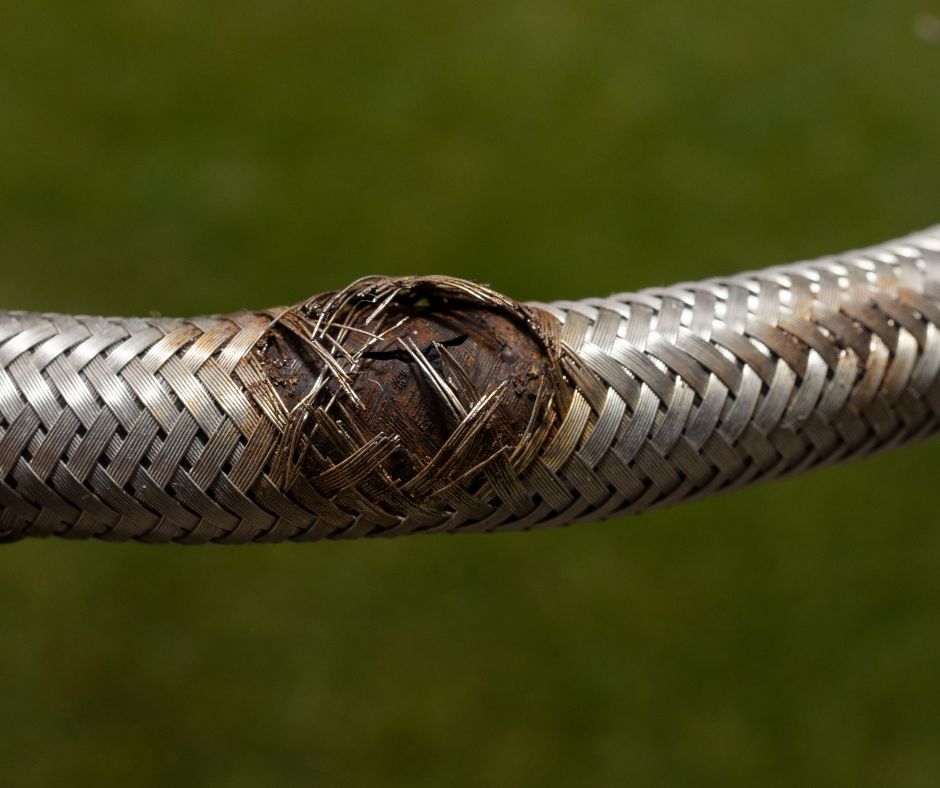
The deterioration of the braid is a significant sign of impending failure. Over time, the stainless steel strands may corrode and break, while the rubber inner tube weakens, ultimately causing hose failure under mains pressure. When a flexi-hose bursts, it does so suddenly, releasing a large volume of water.
A ruptured flexi-hose beneath a sink can quickly flood an area, particularly if the failure occurs while you are away or asleep. This can lead to substantial financial damage to flooring, cabinetry, and ceilings below.
Here are some common causes of premature flexi-hose failures:
Corrosion of the Braid
Damp and poorly ventilated areas, such as bathroom vanities, accelerate the corrosion of the steel braid. If you notice rust spots or frayed wires, this indicates that the hose is already compromised.
Improper Installation: Over-tightening or Kinking
A hose that is bent too sharply, twisted, or excessively tightened during installation is under stress from the outset. Kinks can weaken both the inner tube and the braid at the bend, leading to early failure.
Excessive Water Pressure
High mains pressure places every hose, fitting, and washer in your home under constant strain. Elevated water pressure can cause hoses to fail sooner, impacting other connections as well.
Use of Poor Quality or Aged Hoses
Inferior quality hoses, or those that have simply aged, are among the most frequent causes of failures we observe. The combination of age, inadequate ventilation, and high pressure often results in flooding.
How Can You Conduct an Effective Inspection of Your Flexi-Hoses?
You can perform a quick inspection yourself, and it is advisable to do so twice a year. Start by opening the cupboards beneath your sinks, vanity, and laundry, and closely examine the braided hoses.
Look for signs of rust, fraying or broken wires in the braid, bulging or kinks, and check for dampness or corrosion at the fittings. Inspect each hose along its entire length. If you discover any rust, fraying, or bulging, or if you cannot remember when they were last replaced, it’s time to contact a plumber for a replacement.
While inspecting, locate your main water shut-off valve and ensure you know how to turn it off. In the event of a burst, this valve will be crucial for stopping the flood.
Is DIY Replacement of a Flexi-Hose Possible?
Yes, homeowners in NSW can legally replace a flexi-hose themselves, similar to replacing a tap. It is essential to complete the task correctly, as the connection must maintain a seal under constant pressure, and improper installation can lead to flooding.
If you feel confident, turn off the water at the fixture or main supply, relieve any pressure, and install a quality WaterMark-approved hose, ensuring it is neither over-tightened nor kinked. If you prefer to avoid the risk, or if you wish to have all the hoses in your home inspected and replaced at once, our team can assist you. We frequently handle such tasks alongside tap installations; for more details, visit our tap repairs and installation page.
If one has already burst, turn off your water at the main and contact us immediately. A burst flexi-hose constitutes a plumbing emergency, and we are available seven days a week to respond.
Commonly Asked Questions About Flexi-Hoses
What Is the Typical Lifespan of Flexi-Hoses Before They Require Replacement?
Most flexi-hoses last approximately 5 to 10 years, with many failing before reaching the ten-year mark. Manufacturers typically provide this lifespan range, but the actual duration depends on factors such as water pressure, water quality, hose material, and installation conditions. For instance, a hose in a damp, poorly ventilated vanity under high pressure will wear out faster than one located in a dry, well-ventilated cupboard. Because failures are often sudden and significant, it is wise not to wait for a problem to arise. If you are unaware of the age of your hoses, consider any over ten years old as needing replacement, and inspect them biannually for signs of rust or fraying. Replacing an ageing hose is a minor expense compared to the cost of repairing damage caused by a burst.
What Causes Flexi-Hoses to Burst and Lead to Flooding?
Flexi-hoses often burst due to the corrosion of the stainless steel braid surrounding the rubber inner tube, which ultimately leads to snapping, as well as the degradation of the rubber itself. Once the hose can no longer withstand mains pressure, it ruptures, releasing a significant volume of water all at once, rather than merely dripping. If a rupture occurs while no one is home, it can continue for hours, causing extensive damage to floors, cabinets, and ceilings below. Factors that accelerate failure include damp, poorly ventilated cabinets, improper installation techniques (such as over-tightening or kinking), high water pressure, and low-quality or aged hoses. Bathroom vanities are particularly prone to moisture accumulation, making them hotspots for hose failure. Regular biannual checks for rust and fraying on the braid can serve as your best early warning system.
Is DIY Replacement of a Flexi-Hose Allowed in NSW?
Yes, homeowners in NSW are allowed to replace a flexi-hose themselves, similar to replacing a tap, meaning a licensed plumber is not required for this task. It is essential to perform the replacement carefully, as the connection must seal against constant mains pressure, and mistakes can lead to flooding. If you choose to proceed, turn off the water at the fixture or main, release the pressure, and install a quality WaterMark-approved hose without over-tightening or kinking it, as both can stress the hose and shorten its lifespan. If you prefer to avoid the risk or wish to have all your hoses inspected and replaced in one visit, our plumbers can handle that task quickly and affordably. If a hose has already burst, turn off the water at the main immediately and contact us for assistance.
What Indications Suggest My Flexi-Hoses Need Replacement?
Open the cupboards under your sinks, bathroom vanity, and laundry to closely examine the braided hoses. Look for signs that indicate a hose needs replacing, including rust spots on the braid, frayed or broken wires, bulging or kinking along the hose, and any dampness or corrosion around the fittings. Carefully inspect each hose along its entire length. If you notice any of these issues or cannot recall when they were last changed, make arrangements for a replacement, as a compromised braid is a clear warning sign that precedes a burst. It is advisable to conduct this check twice a year. While inspecting, also locate your main water shut-off valve and ensure you can quickly turn it off, as this is essential for stopping a flood if a hose fails unexpectedly.
Does Water Pressure Impact the Lifespan of Flexi-Hoses?
Yes, elevated mains water pressure places every hose, fitting, and washer in your home under constant strain, leading to a shorter lifespan for flexi-hoses when the pressure is consistently too high. If you notice your taps slamming or banging when shut off (a phenomenon known as water hammer), or if the water pressure feels unusually strong, it’s advisable to investigate. High pressure not only affects hoses but can also shorten the life of mixers and appliances throughout your home. A plumber can assess your mains pressure and, if it is too high, install a pressure-limiting valve to bring it into a safe range, thereby protecting your hoses and fixtures over time. If you have already experienced an early failure of a hose, high pressure will be one of the first factors we examine during our visit.
What Should I Do if a Flexi-Hose Bursts?
Immediately turn off your water at the main stop tap; this is the most critical action, as it prevents further water from entering your home. If possible, also switch off the isolating valve located under the affected fixture. Then, mop up any water and remove items to limit damage to floors and cabinetry. Check whether water has reached any electrical components; if it has, avoid touching them and only switch off the power at the board if it is safe to do so. Once the water is shut off, contact a plumber to replace the failed hose and inspect the others. A burst from one ageing hose often indicates that the rest may soon follow. A burst flexi-hose represents a genuine plumbing emergency, and it is exactly the kind of urgent plumbing issue we address throughout the Hills District.
Are You Worried About Your Hoses or Already Experiencing Water Damage?
A quick two-minute inspection under your sinks today could prevent a future flood in your home. If your flexi-hoses show signs of rust, fraying, or are simply aged, we can promptly replace them, check your water pressure while we’re there, and provide you with peace of mind.
Contact The Plumbing Paramedics at 0430 054 007 for a free quote. If a hose has already burst, turn off your water and reach out to us for emergency plumbing assistance at any time.
Original Article First Published At: How Long Do Flexi-Hoses Last — and Why They Flood Homes
The Article: Flexi-Hoses: Lifespan and Flood Risks Explained first appeared on https://writebuff.com
The post Flexi-Hoses Explained: Lifespan and Flood Risk Insights appeared first on Limits Of Strategy.