Rats nesting in roofs present a significant challenge for many households in Sydney. Fortunately, addressing this issue can be achieved without causing harm to local wildlife or pets. The most humane strategy for managing rat populations includes preventing their entry, eliminating attractants, and employing well-constructed snap traps for any rodents already present. Alternatives such as glue boards and anticoagulant poisons lead to slow and painful deaths, which the RSPCA Australia considers inhumane.
This comprehensive guide provides essential insights on recognising signs of rat activity in your roof, effective non-toxic removal methods, humane trapping options, and guidance on when to seek the expertise of a licensed pest control professional.
Essential Techniques for Humanely Managing Rat Populations
- Sealing potential entry points is crucial for preventing rats from re-entering your home.
- The RSPCA Australia advises that correctly set snap traps offer a swift solution to rodent issues.
- Anticoagulant poisons can take up to a week to be lethal; as of March 2026, the APVMA has restricted the most potent formulations.
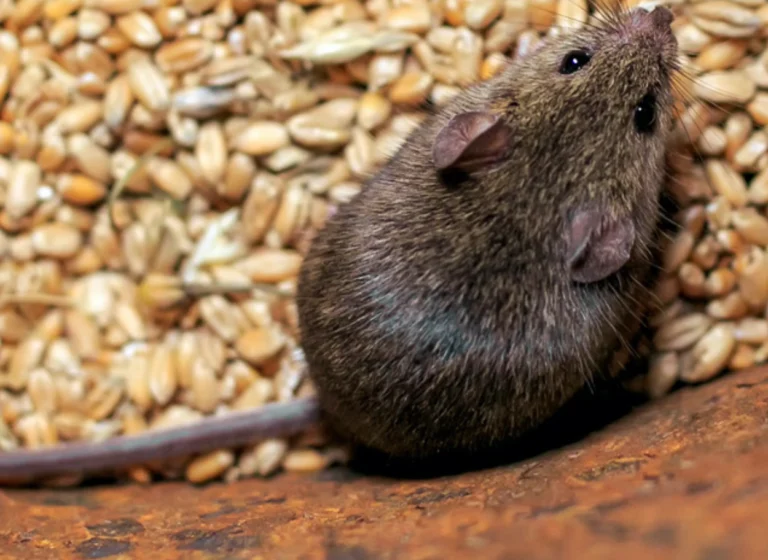
What Are the Most Effective and Humane Strategies for Rat Elimination?
The RSPCA Australia promotes a dual approach to humane rat control: firstly, preventing rats and mice from gaining access to your home, and secondly, employing methods that ensure a swift death when necessary. Their guidelines highlight that well-designed snap traps, when correctly positioned, offer a fast resolution and can be cleaned and reused.
Effective humane rat management revolves around two key strategies. The first involves preventing new rats from entering by sealing potential entry points and removing sources of food and shelter. The second strategy addresses any rats that have already infiltrated your roof, garage, or shed. Focusing solely on the second strategy while neglecting the first will only invite new rats through the same openings.
How Can You Identify Rat Presence in Your Roof?
One of the most obvious signs of rats in your roof is the sound of scratching or scurrying noises within the ceiling or walls during the night. Our rodent control specialists also look for the following indicators during inspections:
- Droppings found in the kitchen, along skirting boards, or in storage areas.
- Gnaw marks on electrical wires, furniture, or food containers.
- An unpleasant or musty smell in concealed areas.
- Visible activity in the roof void, garage, or around rubbish bins.
Rats can cause considerable damage by gnawing through electrical wiring, furniture, and insulation. Their urine and droppings can contaminate food preparation areas, posing health risks. Being skilled climbers, rats often access ceilings through roof lines, damaged tiles, or gaps between eaves and walls.
What Are the Best Non-Toxic Methods for Rat Removal from Your Roof?
To eliminate rats from your roof without resorting to poisons, identify and seal the gaps they use while setting traps for any remaining rodents. A rat can squeeze through an opening as small as a fingertip, making a thorough inspection of both the interior and exterior of your home essential.
Common entry points for rats and mice into Sydney homes include:
- Weep holes in brickwork that allow young rats and mice to enter easily.
- Gaps beneath garage roller doors and back doors.
- Holes where pipes and cables penetrate the walls.
- Lifted or broken roof tiles and spaces along the eaves.
Rats can easily chew through standard caulk, putty, and plastic covers, making it essential to use metal materials for sealing. We recommend installing metal weep hole covers, door brush seals, rodent-proof mesh, and sealant around all pipe and cable entry points. Blocking holes with furniture or boxes is ineffective, as rats can navigate around them. Trim back any branches or hedges that touch your roof, as these provide a direct pathway for rats into your gutters and roof void. For more detailed guidance, refer to our comprehensive article on preventing rats and mice from entering your home.
What Are Your Humane Trapping Options: Snap Traps, Live Traps, and Why to Avoid Glue Boards?
The RSPCA Australia regards well-designed snap traps as more humane and effective than live traps. When selecting a trap, ensure it is appropriate for the size of the rats or mice you are dealing with and that it closes securely with the animal’s head inside the trap area. Here are some essential tips for setting snap traps:
- Use fresh bait, such as peanut butter, dried fruit, or bread, exclusively in the designated bait area.
- Position the trap parallel to a wall and in contact with it, in areas where rats are known to travel.
- Inspect each trap every morning, replacing any that do not perform with a more effective design.
Live traps can capture a rat without causing death, but the RSPCA cautions that relocated animals often have a low survival rate. This makes this option less humane than a quick death. If you opt for a live trap, check it daily and arrange for the rat to be taken to a veterinary clinic for humane euthanasia as soon as possible. Always confirm with the clinic beforehand to ensure they can provide assistance.
It is advisable to avoid glue boards entirely. The RSPCA opposes their use due to the suffering they cause trapped animals, which can endure prolonged distress before dying from starvation, exposure, or dehydration. Glue boards can inadvertently trap native animals and birds. For further information, refer to the RSPCA’s explanation of why glue boards are deemed inhumane.
Why Is Rat Poison Considered Inhumane?
Anticoagulant rat poisons prevent blood from clotting, leading to a drawn-out and painful death that can last up to a week. The RSPCA does not regard these poisons as humane due to the suffering they inflict. native wildlife that consumes a poisoned rat may also succumb to the toxins, as highlighted in the RSPCA’s report on the risks posed to native wildlife from rodenticides.
On 10 March 2026, the Australian Pesticides and Veterinary Medicines Authority (APVMA) classified second-generation anticoagulant rodenticides as restricted chemical products. Registration for all products containing these substances was suspended for one year starting 24 March 2026. The APVMA recognised that current usage posed unacceptable risks to non-target animals, including native species. You can learn more about the implications for homeowners in our guide to the new regulations on rat baits in Australia.
How Can You Deter Rats from Your Home and Garden?
Rats are drawn to areas that offer food, water, and nesting materials; thus, eliminating these resources significantly diminishes your home’s attractiveness. Rats particularly favour leftover food, pet food, and bird seed.
- Feed pets indoors or promptly remove their bowls after meals.
- Store dry food in airtight containers and ensure bin lids are secure.
- Maintain cleanliness in chicken runs and aviaries, keeping feed in sealed bins and securing any gaps in the coop.
- Regularly mow the lawn and trim hedges to reduce hiding spots for rats.
- Clear out any stored furniture, timber, and boxes from under the house, in the shed, garage, and spare rooms.
If your neighbour’s garden is attracting rats, consider discussing the issue with them first. If that does not resolve the problem, contact your local council for assistance.
When Should You Reach Out to So Pest Off for Professional Rodent Control?
If you continue to hear rat activity after sealing entry points and setting traps, it is possible that the rodents are accessing your property through hidden or inaccessible openings. So Pest Off provides a comprehensive rodent control programme for both residential and commercial properties across Sydney. We do not offer one-off rodent baiting services, as effective baiting requires regular monitoring, and a single treatment does not address entry points.
Our programme begins with a detailed inspection of the roof void, wall cavities, subfloor, and external access points. We then set up secure, tamper-resistant bait stations where rat activity is confirmed, and these stations remain on-site. We use Selontra, a professional-grade bait from BASF that contains cholecalciferol, a form of vitamin D3. Unlike anticoagulants, Selontra does not accumulate in animal tissues, significantly reducing the risk of secondary poisoning. Alongside baiting, we also reinforce entry points to prevent new rats from entering. For commercial clients, our Bluetooth-monitored bait stations track rodent movement between visits.
If you discover that the noise in your roof is actually coming from a possum, please note that possums are protected under Australian law and cannot be baited or harmed. For assistance, refer to our possum removal service. To arrange a rodent inspection, review our pricing options, or contact So Pest Off at 0410 244 244 to discuss your observations and concerns.
Frequently Asked Questions About Humanely Managing Rat Issues
Is it Possible to Capture a Rat and Release It Elsewhere?
You can attempt this, but the RSPCA Australia advises that relocated animals often have a low survival rate, making this option unlikely to be more humane than a quick death. If you choose to use a live trap, ensure you check it every morning and transport the captured rat to a veterinary clinic that is willing to provide humane euthanasia.
Are Glue Traps Considered a Humane Method for Capturing Rats?
No. RSPCA Australia strongly opposes glue boards, as trapped rats can suffer for hours or even days before succumbing to starvation, exposure, or dehydration. Glue boards can also capture native animals, birds, and pets, and do not prevent new rats from entering your home.
Does So Pest Off Provide One-Off Rat Treatments?
No, we provide rodent management through an ongoing programme, which includes regular visits to check each bait station, remove any deceased rodents, and adjust baiting strategies. If rat activity diminishes to zero and remains there, we will discuss whether the programme can be scaled back.
Original Article First Published At: How to Get Rid of Rats Humanely, Including Rats in the Roof: A Guide from So Pest Off
The Article: Get Rid of Rats Humanely: Your Guide to Roof Rats first appeared on https://writebuff.com
The post Rats Humanely: A Comprehensive Guide to Roof Rats appeared first on Limits Of Strategy.