Comprehending High-Cost Credit Options in the UK
How to Avoid Common Credit Pitfalls in the UK
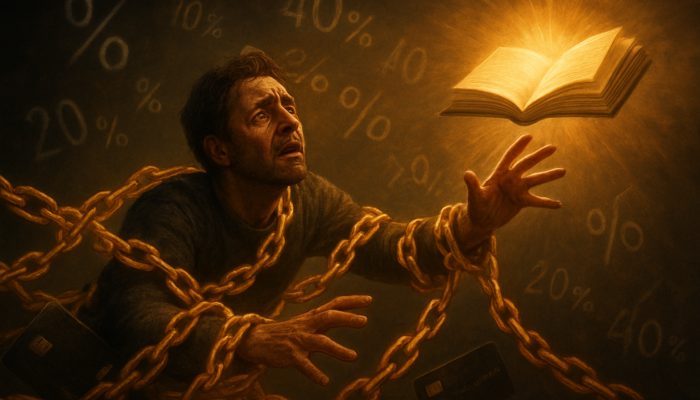
Understanding the range of short-term loans available in the UK is vital for making informed financial choices. Many people turn to payday loans and high-cost credit cards due to their quick availability, often overlooking the long-term consequences of these decisions.
These financial products frequently come with exorbitant interest rates and hidden fees that can accumulate rapidly. By identifying these common errors at an early stage, borrowers can avoid falling into a crippling cycle of debt. Empowerment comes from knowledge; being aware of the alternatives can facilitate more advantageous financial decisions.
How to Assess Eligibility for More Affordable Credit Options
When contemplating borrowing, individuals often disregard traditional bank offerings that can provide lower rates. High street banks and credit unions typically offer competitive loans with more favourable terms compared to payday lenders. Evaluating eligibility for these alternatives can lead to significant savings on interest payments.
It is essential to explore various financial institutions, including online banks and credit unions, which may provide tailored products. Conducting comprehensive research and comparing different offerings enables individuals to find better alternatives that meet their financial needs without incurring substantial costs.
Why Early Evaluation of Personal Spending Habits Matters
Tracking monthly expenditures is a crucial practice that can enhance financial habits. By analysing spending patterns early, individuals can identify areas of overspending and make necessary adjustments. This proactive approach helps reduce reliance on high-cost borrowing.
- Identifies unnecessary expenditures
- Supports effective budgeting
- Encourages mindful spending
- Facilitates savings for future needs
- Promotes financial literacy
Implementing these habits early establishes a strong foundation for future financial stability. The more aware individuals are of their spending, the less likely they are to turn to costly credit options in times of need.
How Can Proactive Financial Planning Alleviate Debt Problems?

How Regularly Reviewing Income and Expenditures Can Help
Regularly assessing income in relation to expenditures is fundamental for establishing realistic budgeting. This practice allows individuals to understand their financial situation, enabling them to adjust their spending habits and gradually lessen their dependence on expensive credit options.
When people develop a clear understanding of their financial circumstances, they can make informed decisions regarding necessary expenses and avoid accumulating unnecessary debts. This proactive approach not only reduces debt accumulation but also promotes long-term financial health.
What Are the Common Indicators of Overborrowing?
Recognising early signs of overborrowing is crucial for maintaining financial stability. Common indicators include consistently relying on credit for everyday expenses, missing payment deadlines, and accumulating debt without a clear repayment plan. Identifying these symptoms is vital for implementing timely interventions.
By addressing these issues promptly, individuals can devise strategies to regain control over their finances. This may involve seeking financial advice, consolidating debts, or creating a strict budget to prevent further borrowing.
What Services Do Local Credit Unions Offer?

Credit unions often provide affordable lending options tailored to various personal circumstances. These community-oriented lenders typically offer lower interest rates and more flexible repayment terms compared to payday lenders, making them a viable alternative for those seeking credit.
Becoming a member of a local credit union not only provides access to loans but also fosters a sense of community. Members often benefit from financial education resources, empowering them to make informed financial decisions and avoid high-cost borrowing in the future.
Key Strategies for Steering Clear of Payday Loans and High-Cost Credit Cards
Essential Tips for Choosing Initial Credit Products Wisely
Selecting suitable credit products from the beginning can significantly influence financial wellbeing. Experts recommend starting with small, manageable credit options, such as a low-interest credit card or a modest personal loan, which can help establish a credit history without incurring excessive costs.
It is essential to scrutinise the terms and conditions associated with any credit product. Understanding interest rates, fees, and repayment timelines helps individuals make informed decisions that align with their financial objectives and avoid falling into high-cost traps.
What Successful Strategies Can Help Avoid High-Interest Traps?
Sharing real-world examples can effectively illustrate successful tactics that have helped others steer clear of high-interest traps. For instance, a young professional might choose a loan from a credit union instead of a payday lender, resulting in lower repayments and improved financial health.
These real-life narratives emphasise the significance of making informed decisions early in the borrowing process. Individuals gain valuable insights from others’ experiences, which can assist them in navigating their financial journeys without succumbing to costly borrowing behaviours.
What Regulatory Protections Are Available for Borrowers?
Acquainting oneself with the regulations established by authorities such as the Financial Conduct Authority (FCA) ensures safer interactions with any lending services. Understanding these regulations empowers consumers with knowledge about their rights and protections when borrowing, which is crucial for avoiding predatory lending practices.
By staying informed about regulatory changes, individuals can make better financial choices and protect themselves from high-cost credit options. This knowledge enables consumers to seek reputable lenders and avoid falling into debt traps.
What Measures Can Help Prevent Costly Borrowing?
How to Build a Dedicated Emergency Fund
Establishing a dedicated emergency fund is a cornerstone of sound financial planning. By consistently saving small amounts, individuals can create a safety net that reduces future reliance on quick loans during unexpected financial challenges.
This proactive strategy not only provides peace of mind but also fosters financial resilience. An emergency fund enables individuals to handle unforeseen expenses without resorting to high-cost credit options, thus securing long-term financial stability.
Why It’s Important to Compare Interest Rates Among Providers
Exploring interest rates from various lenders can uncover options with more favourable terms. This practice is vital for making informed borrowing decisions and ensuring individuals do not fall victim to high-cost loans.
When individuals take the time to shop around, they often discover better rates and terms that align with their financial capabilities. This diligence can lead to healthier repayment schedules and overall enhanced financial wellbeing.
How Can Savings Accounts Support Financial Goals?
Effectively using savings accounts encourages disciplined saving for unanticipated needs without external assistance. These accounts provide a secure space for individuals to set aside funds for specific goals, whether it be a holiday, a new vehicle, or an emergency fund.
By regularly contributing to a savings account, individuals can develop a saving habit that supports their financial ambitions. This discipline not only aids in avoiding dependence on high-cost borrowing but also nurtures a sense of financial security.
Research-Backed Benefits of Avoiding Payday Loans and High-Cost Credit Early
What Practical Steps Can Young Borrowers Take?
Younger borrowers can greatly benefit by adopting responsible financial management practices early on. For example, maintaining a budget and regularly checking credit scores can result in improved financial outcomes, including higher credit scores over time.
Real-world examples show that individuals who prioritise financial education and responsible borrowing are more likely to access mainstream credit products later in life. This proactive approach lays the groundwork for a healthier financial future.
Why Understanding Long-Term Effects on Credit Files Matters
Developing positive financial habits now leads to better access to mainstream products as individuals progress in life. Building a solid credit history through responsible borrowing can unlock opportunities for lower interest rates and superior financial products in the future.
Understanding how credit files work and the long-term implications of borrowing decisions is essential for anyone aiming to maintain financial stability. This knowledge empowers individuals to make informed choices that positively impact their future financial health.
How Can Independent Organisations Provide Valuable Guidance?
Seeking professional advice from independent organisations offers tailored support that enhances overall money management skills. These organisations can provide valuable resources and insights, assisting individuals in navigating their financial journeys more effectively.
By seeking such guidance, individuals can learn about budgeting, debt management, and responsible borrowing practices. This support can be crucial in avoiding high-cost credit options and achieving long-term financial goals.
Why Is It Essential to Regularly Monitor Spending Habits?
How Budgeting Apps Can Enhance Daily Financial Oversight
Using budgeting apps for daily tracking provides clear visual insights that promote awareness and control over spending. These tools simplify expense monitoring, making it easier for individuals to manage their finances effectively.
By consistently reviewing spending through these applications, users can identify trends and adjust their budgets as needed. This proactive strategy helps prevent overspending and reduces the likelihood of resorting to high-cost credit options.
Why Promptly Identifying Unnecessary Purchases Matters
Quickly recognising wasteful spending allows for better allocation of resources towards essential priorities and future planning. By attentively monitoring expenses, individuals can swiftly identify areas for cost-cutting and redirect funds to more critical financial objectives.
This practice not only improves financial management but also fosters healthier spending habits. By prioritising essential purchases, individuals can avoid the pitfalls of high-cost borrowing.
How Does Regular Tracking Foster Financial Resilience?
Routine reviews of spending habits encourage adaptability in response to economic fluctuations or personal challenges. By diligently tracking expenses, individuals remain informed about their financial status and can make necessary budget adjustments.
This resilience is crucial in preventing reliance on high-cost credit options during challenging periods. By taking a proactive stance, individuals can navigate financial difficulties without slipping into debt traps.
Why Analysing Monthly Spending Reports Is Beneficial
By thoroughly examining detailed monthly transaction summaries, individuals can effectively identify recurring expenses and seasonal spending patterns. This awareness enhances forecasting abilities and allows for necessary adjustments, reinforcing long-term financial stability.
Periodic spending reports encourage individuals to reflect on their financial behaviours and identify areas for improvement. This ongoing evaluation is crucial for maintaining financial control and avoiding costly borrowing in the future.
Strategies for Achieving Long-Term Financial Security
How Diversifying Income Streams Can Help
Expanding income sources reduces vulnerability to disruptions from a single source that might otherwise lead to high-cost borrowing. By exploring side hustles, freelance opportunities, or passive income avenues, individuals can enhance their financial security.
This proactive approach not only strengthens financial stability but also offers a buffer against unexpected expenses. Multiple income streams simplify financial management without necessitating reliance on high-cost credit options.
Why Investing in Personal Skill Development Is Important
Continuous education increases employability and earning potential, fostering sustained independence. By investing in personal skill enhancement, individuals can improve their job prospects and secure higher-paying roles, thereby decreasing the need for high-cost borrowing.
Whether through formal education, online courses, or workshops, enhancing skills can unlock better financial opportunities. This investment in oneself yields long-term benefits, contributing to overall financial security.
What Are the Key Advantages of Setting Savings Targets?
Establishing clear savings goals motivates ongoing progress towards enduring stability without undue pressure. By defining specific objectives, individuals can focus their efforts and track their achievements, fostering a sense of accomplishment.
- Encourages disciplined saving habits
- Provides a clear financial roadmap
- Enhances motivation and commitment
- Aids in reaching financial milestones
- Minimises reliance on credit
These advantages contribute to a more robust financial future, empowering individuals to navigate their financial journeys with confidence and avoid high-cost borrowing.
How Building an Emergency Fund Benefits Financial Security
Creating a dedicated emergency fund provides a financial cushion against unforeseen events. This safety net ensures that progress towards security remains uninterrupted and reduces the temptation to incur high-interest debt during times of need.
By consistently contributing to this fund, individuals can cultivate resilience against financial shocks. This proactive approach not only brings peace of mind but also supports long-term financial wellbeing.
Why Contributing to Pension Schemes Is Essential
Regularly contributing to pension schemes from an early stage utilises the power of compound interest over the years. This practice lays a strong foundation for retirement, ensuring lasting financial independence throughout later life.
By prioritising pension contributions, individuals can secure their financial future and reduce dependence on high-cost borrowing during retirement. This long-term planning is vital for achieving enduring financial security.
Commonly Asked Questions
What Are Payday Loans?
Payday loans are short-term, high-cost loans designed to cover urgent expenses until the borrower receives their next salary. They typically feature steep interest rates and can lead to a cycle of debt if not managed properly.
How Can I Avoid High-Cost Credit?
To avoid high-cost credit, consider exploring lower-interest alternatives such as credit unions, personal loans from banks, or borrowing from friends and family. Creating a budget and tracking expenses can also help prevent reliance on expensive loans.
What Risks Are Associated with Payday Loans?
Payday loans carry significant risks, including high-interest rates, hidden fees, and the potential for a recurring debt cycle. Borrowers may find themselves unable to repay the initial loan, leading to additional borrowing and escalating financial difficulties.
How Can I Build a Good Credit Score?
Building a good credit score involves making timely payments, maintaining low credit utilisation, and regularly reviewing your credit report for inaccuracies. Responsible borrowing and keeping a diverse mix of credit types also positively affect your score.
What Are Credit Unions?
Credit unions are non-profit financial institutions owned by their members. They generally offer lower interest rates on loans and higher rates on savings compared to traditional banks, making them a cost-effective borrowing alternative.
Why Should I Monitor My Spending?
Tracking your spending helps you understand your financial behaviours, identify areas for improvement, and create a realistic budget. This awareness can assist in preventing overspending and reducing reliance on high-cost credit options.
What Is an Emergency Fund?
An emergency fund is a dedicated savings account reserved for unforeseen expenses, such as medical bills or car repairs. Having this fund can prevent dependence on high-cost loans during financial emergencies.
How Can I Improve My Budgeting Skills?
Enhancing budgeting skills involves setting clear financial goals, tracking expenses, and regularly reviewing your budget. Using budgeting apps or spreadsheets can help you stay organised and accountable.
What Should I Do If I’m in Debt?
If you find yourself in debt, consider seeking professional advice from a financial advisor or debt counselling service. They can help you develop a repayment plan and explore options for consolidating or managing your debt.
How Can I Save for Retirement?
Saving for retirement involves contributing to pension schemes, opening individual savings accounts, and investing in long-term assets. Starting early and taking advantage of compound interest can significantly boost your retirement savings.
Visit our Facebook profile now!
This Article Was First Found On: https://www.debtconsolidationloans.co.uk