Choosing Premium Ingredients: A Guide to Fresh Pomegranate Seeds for Nutritious Meals
What Essential Characteristics Should You Look for in Fresh Pomegranate Seeds?
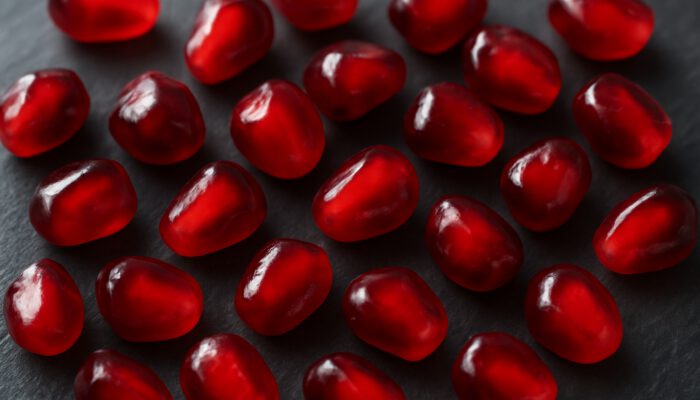
When selecting pomegranate seeds, focus on those that are plump and vividly coloured. These traits often indicate superior flavour and texture. Seek out seeds that display a bright red or deep purple hue, as this suggests their ripeness and potential taste. Fresh seeds not only enhance the aesthetic of your meals but also provide essential nutrients, enriching your overall dining experience.
Incorporating high-quality pomegranate seeds into salads and main dishes can transform a simple recipe into a culinary masterpiece. Their juicy bursts of flavour harmonise beautifully with a variety of ingredients, making them an adaptable component across numerous culinary traditions. Whether you’re crafting a Middle Eastern tabbouleh or a Mediterranean grain salad, fresh seeds are indispensable for achieving a well-balanced and satisfying meal.
What Preparation Techniques Will Help You Make the Most of Pomegranate Seeds?
To fully unlock the potential of pomegranate seeds, employ proper rinsing and drying techniques. Begin by gently rinsing the seeds under cold water to eliminate any residual bitterness or impurities. After rinsing, dry them using a clean kitchen towel or a salad spinner to remove excess moisture. This step is crucial for maintaining their crunchiness.
Timing is essential in the preparation process. Add pomegranate seeds to salads and main dishes just before serving to ensure they preserve their crispness. This method prevents the seeds from becoming soggy, allowing every bite to remain delightful. Including them at the right moment enhances their flavour profile, elevating your dishes significantly.
What Strategies Should You Implement for Effective Storage of Pomegranate Seeds?
To retain freshness and vibrant flavour, store pomegranate seeds in a cool, dry environment. Use airtight containers in the refrigerator for optimal results, as this preserves the seeds’ colour and crispness over time. Proper storage ensures that high-quality ingredients are readily available for your culinary adventures whenever inspiration strikes.
When stored correctly, pomegranate seeds can remain fresh for up to a week, making them a convenient addition to your meal preparation. This accessibility encourages spontaneous cooking, fostering creativity in the kitchen. Keeping fresh seeds on hand allows you to effortlessly incorporate them into various salads and main dishes throughout the week.
How Can You Distinguish Between Different Varieties of Pomegranate Seeds?
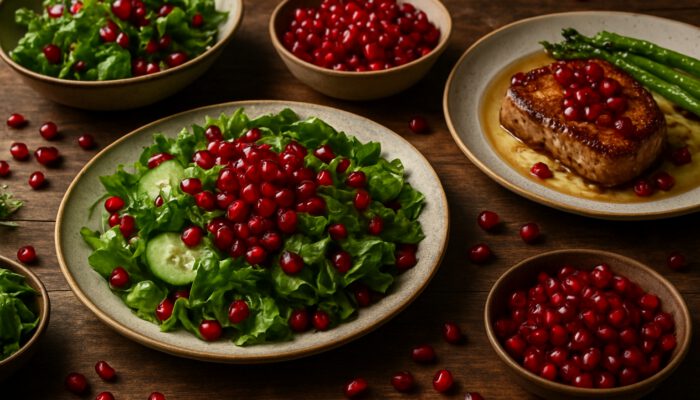
Understanding the various types of pomegranate seeds can greatly enhance your cooking experience. Each variety offers distinct flavours and nutritional profiles. For example, the Wonderful variety is renowned for its sweet-tart taste, while the Angel Red variety is sweeter and less acidic. Selecting the appropriate type can complement specific recipes and cater to dietary preferences.
Exploring these seed varieties opens up new possibilities for experimentation in your culinary creations. Certain types may pair better with particular ingredients, enhancing the overall flavour and texture of your dishes. By understanding the characteristics of each variety, you can elevate your salads and main courses to new heights.
What Steps Should You Take to Ensure Pomegranate Seeds Are Contaminant-Free?
Inspecting pomegranate seeds for mould or damage is crucial for maintaining food safety. Contaminated seeds can compromise the quality of your dishes and pose health risks. Before purchasing or using seeds, carefully examine them for any unpleasant odours, discolouration, or softness, which may indicate spoilage.
Taking the time to verify the quality of your ingredients ensures safe and enjoyable meals for both family and guests. By investing in high-quality seeds, you not only enhance the flavour of your dishes but also promote a healthier dining experience. This meticulous selection process is vital for anyone who enjoys cooking.
How Do Pomegranate Seeds Enhance the Flavour of Salads and Main Dishes?
Which Leafy Greens Pair Best with Pomegranate Seeds?
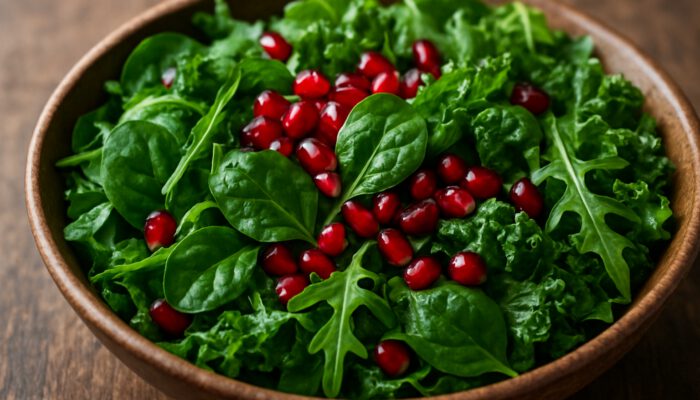
Pomegranate seeds complement leafy greens beautifully, creating a delightful contrast in both flavour and visual presentation. The crisp texture of greens such as spinach, arugula, or kale harmonises with the juicy bursts of the seeds, resulting in a refreshing salad experience. This combination not only looks vibrant but also offers a wealth of nutrients.
Integrating pomegranate seeds into salads can transform everyday meals, making them more satisfying and nutritious. Their natural sweetness balances the slight bitterness of certain greens, resulting in a harmonious flavour profile. This pairing encourages diners to embrace healthier options while enhancing the overall dining experience.
How Do Pomegranate Seeds Enrich Protein-Based Main Dishes?
Sprinkling pomegranate seeds over protein-rich mains adds a delightful crunch and subtle sweetness that enhances the dish. Whether used atop grilled chicken, roasted lamb, or baked fish, these seeds elevate the meal, adding depth and complexity. Their unique flavour profile complements a variety of proteins, making them an adaptable ingredient.
Incorporating pomegranate seeds into main dishes contributes to a well-rounded dining experience. They not only add texture but also introduce a burst of colour, making the dish visually striking. This attention to detail can elevate simple dinners into gourmet experiences that impress family and friends alike.
How Can Dressings Enhance the Flavour Profile with Pomegranate Seeds?
Achieving a harmonious taste experience involves pairing pomegranate seeds with both acidic and sweet elements. Consider the following benefits of these seed pairings:
- Enhances the overall flavour profile of salads.
- Adds textural contrast to creamy dressings.
- Balances the acidity found in vinaigrettes.
- Introduces sweetness that complements savoury ingredients.
By thoughtfully incorporating pomegranate seeds with various dressings, you can create a well-balanced dish that delights the palate. This balance is essential for enhancing your salads and main dishes, ensuring that each bite is enjoyable and memorable.
What Benefits Do Pomegranate Seeds Bring to Grain Salads?
Adding pomegranate seeds to grain-based salads introduces delightful bursts of tartness, enhancing the earthy flavours of grains and fresh herbs. This combination results in balanced and wholesome lunch options, making them appealing for daily enjoyment. The seeds’ vibrant colour adds visual interest, enticing diners to indulge in nutritious meals.
Grain salads, such as quinoa or farro, gain significantly from the addition of pomegranate seeds. Their unique flavour complements the nutty notes of the grains, creating a satisfying dish that is both filling and refreshing. This versatility allows for a range of creative lunch options suitable for all ages.
Expert Insights for Incorporating Pomegranate Seeds into Salads and Main Dishes
How Can You Experiment with the Ratio of Pomegranate Seeds in Your Recipes?
Culinary experts recommend experimenting with different ratios of pomegranate seeds to other ingredients to discover the ideal balance for your personal palate. For instance, adjusting the quantity of seeds in a simple salad can dramatically alter the dish, allowing for tailored meals that satisfy specific dietary preferences.
Integrating seeds into your daily cooking routines boosts both flavour and nutritional value. By observing how various ingredients interact, you can refine your use of pomegranate seeds, ensuring that each dish is both satisfying and healthful.
What Steps Should You Follow for Efficient Meal Planning with Pomegranate Seeds?
Timing is crucial when it comes to incorporating pomegranate seeds during meal preparation. For optimal texture, add seeds to cold dishes just before serving. In hot dishes, introduce them towards the end of cooking to preserve their crispness. This method prevents unwanted softening, ensuring your meals remain enjoyable.
Planning meals with the inclusion of pomegranate seeds can also inspire creativity. Consider preparing batch salads or main dishes that can be easily customised with fresh seeds, allowing for quick and healthy meals throughout the week. This strategy enhances both convenience and flavour.
How Can You Evaluate the Nutritional Value of Pomegranate Seeds?
Pomegranate seeds are rich in beneficial nutrients, making portion control essential for balanced meals. A small serving can significantly boost your intake of antioxidants, vitamins, and fibre without overpowering other elements of the dish. This balance ensures that your meals remain nutritious while allowing other flavours to shine.
Thoughtfully incorporating pomegranate seeds into your meals can enhance overall health benefits. Their rich nutrient profile supports various dietary needs, making them a valuable addition to any culinary repertoire. By evaluating portion sizes, you can enjoy their contributions without compromising the integrity of your dishes.
What Innovative Flavour Combinations Should You Explore with Pomegranate Seeds?
Nutritionists highlight the advantages of pairing pomegranate seeds with nuts, cheeses, and lean proteins to create harmonious flavours. For example, combining seeds with feta cheese or walnuts can enhance both texture and taste, adding depth to salads and main dishes. This exploration of flavour pairings can elevate simple recipes to new culinary heights.
Experimenting with these combinations can lead to exciting culinary discoveries. By incorporating diverse ingredients, you can create well-balanced meals that are both delicious and nutritious. This approach encourages creativity in the kitchen, allowing for a broader range of dining experiences.
What Are the Best Practices for Storing and Maintaining the Freshness of Pomegranate Seeds?
To preserve the crisp texture and vibrant colour of pomegranate seeds, experts recommend storing them in airtight containers in the refrigerator. This method ensures that seeds remain fresh for several days, making it easy to incorporate them into salads and cooked dishes. Proper storage is vital for maintaining quality.
By keeping pomegranate seeds well-preserved, you can enjoy their delightful crunch and flavour over time. This accessibility promotes spontaneous cooking, enabling you to create delicious meals whenever inspiration strikes. Fresh seeds can elevate your dishes, making them more enjoyable and satisfying.
Research-Supported Advantages of Adding Pomegranate Seeds to Salads and Main Dishes
What Antioxidant Benefits Do Pomegranate Seeds Provide?
Research underscores the antioxidant properties of pomegranate seeds, which bolster overall health and wellness. Regularly incorporating these seeds into your diet can enhance vitality and contribute to improved health outcomes, making them a valuable addition to various eating patterns. Their rich nutrient profile promotes a healthier lifestyle.
Including pomegranate seeds in your salads and main dishes offers a delicious way to amplify your antioxidant intake. This natural approach to nutrition supports a balanced diet, fostering healthier eating habits. Consuming these seeds regularly can lead to positive effects on your overall health and wellness.
What Key Advantages Does the Versatility of Pomegranate Seeds Offer?
Pomegranate seeds deliver remarkable versatility when paired with an array of vegetables and grains. Here are some primary benefits:
- Enhances flavour profiles across a wide variety of dishes.
- Adds a burst of colour and texture.
- Offers nutritional benefits, including fibre and vitamins.
- Pairs well with both sweet and savoury ingredients.
This versatility allows home cooks to explore creative combinations, maximising both health benefits and culinary appeal. By incorporating pomegranate seeds into your cooking, you can enjoy a diverse range of delicious and nutritious meals.
In What Ways Do Pomegranate Seeds Support Digestive Health?
The fibre content in pomegranate seeds aids regular digestion, making them an excellent addition to salads and mains. Thoughtfully including seeds throughout the week can support digestive health while enhancing the overall nutritional value of your meals. This focus on fibre is crucial for maintaining a balanced diet.
Including pomegranate seeds in your dishes can also promote a sense of fullness, helping to regulate appetite. This natural approach to nutrition encourages mindful eating and supports overall health and well-being. By enjoying these seeds regularly, you can enhance your meals while benefiting your digestive system.
What Makes Recipes Featuring Pomegranate Seeds So Adaptable?
How Do Pomegranate Seeds Fit into Various Culinary Traditions?
Pomegranate seeds blend seamlessly with spices and herbs from a multitude of culinary traditions, allowing cooks to explore a wide range of flavour profiles. For instance, they can enhance Middle Eastern dishes with their sweet-tart notes or complement Asian-inspired salads with a vibrant pop of colour. This adaptability makes them a truly global ingredient.
Exploring these flavour combinations can lead to exciting culinary experiences. By experimenting with different cuisines, you can create meals that feel both familiar and adventurous. This versatility encourages creativity in the kitchen, making it easy to enjoy diverse flavours and ingredients.
How Can You Adjust Pomegranate Seed Recipes for Different Serving Sizes?
Simple modifications in quantities enable pomegranate seed recipes to cater to both intimate dinners and larger gatherings. Whether preparing a salad for two or a main dish for ten, the flexibility of these recipes ensures that quality and presentation are preserved.
Scaling recipes allows you to accommodate various occasions without sacrificing flavour or nutrition. This adaptability makes pomegranate seeds a valuable ingredient for any home cook, providing opportunities to impress guests with beautifully presented dishes that are equally delicious.
What Adjustments Can You Make to Accommodate Various Dietary Preferences?
Substitutions and omissions can easily cater to vegan or gluten-free requirements, ensuring that everyone can enjoy the dishes equally. For instance, using plant-based dressings or gluten-free grains accommodates various dietary needs while still incorporating pomegranate seeds for flavour and nutrition.
This flexibility fosters inclusivity at the dining table, allowing all guests to partake in delicious meals. By considering dietary preferences, you can create satisfying dishes that everyone will appreciate, enhancing the overall dining experience.
What Are the Best Final Preparation and Serving Techniques?
What Garnishing Techniques Can Enhance the Visual Appeal of Your Dishes?
Strategically placing pomegranate seeds atop dishes adds visual interest and encourages guests to appreciate the thoughtful details in each plated meal. A sprinkle of seeds can elevate a simple salad or main course, making it look more inviting and appealing.
Incorporating garnishing techniques not only enhances presentation but also contributes a burst of flavour. This attention to detail can impress diners and create a memorable dining experience. Thoughtful garnishing transforms everyday meals into culinary delights that everyone will enjoy.
How Can You Reheat Dishes to Preserve Their Texture?
Gentle warming methods are essential for maintaining the signature crunch of pomegranate seeds. When reheating dishes, utilise low heat and avoid extended cooking times. This approach ensures that the seeds retain their delightful texture, making leftovers just as enjoyable as freshly prepared meals.
By employing these reheating techniques, you can savour the full benefits of pomegranate seeds in your meals. This attention to detail ensures that each dish remains satisfying, allowing you to relish the flavours and textures that make these recipes special.
How Can You Create Seasonal Variations in Your Dishes?
Rotating accompanying ingredients keeps core recipes interesting and aligned with seasonal produce throughout the year. For example, pairing pomegranate seeds with seasonal vegetables or grains can enhance both the flavour and nutritional profile of your dishes. This adaptability fosters creativity in the kitchen.
Seasonal variations not only keep meals exciting but also promote sustainable cooking practices. By using local and seasonal ingredients, you can create delicious dishes that are both fresh and environmentally friendly. This approach ensures that your meals remain enjoyable and relevant throughout the year.
What Beverage Pairing Suggestions Can Elevate Your Meal Experience?
Selecting suitable beverages to accompany each dish can enhance the flavours of pomegranate seeds, creating a harmonious balance. Consider pairing salads with crisp white wines or mains with fruity red wines to elevate the overall dining experience. Thoughtful drink selections can further enrich the meal.
By providing beverage recommendations, you create a well-rounded dining occasion that delights all senses. This attention to detail ensures that guests enjoy a cohesive culinary experience, making meals memorable and enjoyable for everyone involved.
Frequently Asked Questions
What Health Benefits Are Associated with Pomegranate Seeds?
Pomegranate seeds are abundant in antioxidants, vitamins, and fibre, promoting heart health, reducing inflammation, and aiding digestion. Their nutrient composition supports overall well-being, making them an essential addition to any diet.
How Do I Identify the Highest Quality Pomegranate Seeds?
Choose seeds that are plump, vibrantly coloured, and free from mould or damage. Fresh seeds indicate ripeness and optimal flavour, enhancing the quality of your dishes.
Can I Include Frozen Pomegranate Seeds in My Recipes?
Yes, frozen pomegranate seeds can be added to recipes. They retain their nutritional value and can be used directly in salads or cooked dishes, although their texture may vary slightly from that of fresh seeds.
What Is the Shelf Life of Pomegranate Seeds in the Refrigerator?
When stored in airtight containers, pomegranate seeds can last up to a week in the refrigerator. Proper storage is essential for maintaining their freshness and flavour.
What Types of Dishes Can I Create with Pomegranate Seeds?
Pomegranate seeds can enhance salads, grain dishes, and main courses, adding both flavour and texture. They pair excellently with proteins, leafy greens, and a variety of dressings.
Are Pomegranate Seeds Suitable for Vegan Diets?
Yes, pomegranate seeds are entirely plant-based and integrate well into vegan diets. They provide flavour, colour, and nutrition to a wide array of vegan dishes.
How Can I Use Pomegranate Seeds in My Breakfast?
Pomegranate seeds can be added to smoothies, yogurt, or oatmeal for a nutritious breakfast boost. Their natural sweetness and crunch enhance the overall meal experience.
Can I Substitute Pomegranate Juice for Seeds in My Recipes?
While pomegranate juice adds flavour, it lacks the texture and crunch of seeds. For the best results, use both in your recipes to reap their full benefits.
What Are Some Creative Ways to Present Pomegranate Seeds?
Serve pomegranate seeds as a garnish for salads, desserts, or cocktails. They can also be sprinkled over grain bowls or incorporated into sauces to enhance flavour.
What Is the Easiest Method to Remove Pomegranate Seeds?
To easily extract the seeds, slice the pomegranate in half and tap the back with a wooden spoon. This technique helps release the seeds without creating a mess.
Visit our Facebook profile for more updates!
The post Pomegranate Seed Recipes in Salads and Mains: Fresh Ideas appeared first on https://cookinggods.com
The Article Pomegranate Seed Recipes: Fresh Salad and Main Dish Ideas Was Found On https://limitsofstrategy.com