Understanding Missed Payments in the UK
Common Reasons for Payment Failures

In the UK, missed payments often arise from unforeseen circumstances such as unemployment, health issues, or difficulties with budgeting. Many individuals find themselves unable to meet their financial obligations, leading to overdue repayments on credit cards and personal loans. This situation can severely impact their overall credit files, which are essential for obtaining future loans.
Another common reason for missed payments is poor financial management. Some borrowers may struggle to keep track of their bills or fail to set aside adequate funds for their obligations. This lack of planning can result in late payments, which are recorded on credit files and ultimately affect their creditworthiness and prospects for future borrowing.
Recognising the Consequences of Default Notices from Lenders
Default notices are formal notifications sent by banks and building societies when payments are missed. In the UK, these notices indicate serious consequences for borrowers, signalling that their accounts have been flagged for non-payment. Receiving a default notice can be a significant setback, affecting not just the individual’s current financial situation but also their ability to obtain loans in the future.
When lenders issue a default notice, it acts as a red flag to potential creditors. This means that future credit applications may be subject to more rigorous scrutiny, and individuals with a history of missed payments could face higher interest rates or outright refusals. It is crucial to grasp the importance of these notices for anyone looking to maintain or improve their borrowing prospects.
How Credit Files Record Payment Incidents
In the UK, major credit reference agencies meticulously maintain credit files, documenting every missed payment. These records compile a detailed history of an individual’s financial behaviour, which lenders assess when reviewing new loan applications. Each missed payment can remain on a credit file for up to six years, significantly affecting <a href="https://www.debtconsolidationloans.co.uk/how-does-debt-consolidation-affect-credit-scores/">credit scores</a>.
Lenders rely heavily on these credit files to evaluate the risk associated with lending to individuals. A history of missed payments can suggest unreliability, making it difficult for borrowers to obtain loans or secure favourable terms. understanding how credit files operate is crucial for anyone aiming to improve their financial standing.
Consequences for Future Borrowing in the UK

The repercussions of missed payments can be severe, often resulting in elevated interest rates or outright denials when individuals apply for mortgages, credit cards, or personal loans. In the UK, lenders view missed payments as a significant warning sign, indicating potential financial instability. This perception can hinder a borrower’s ability to access necessary funds in the future.
The impact of missed payments extends beyond immediate borrowing needs. They can also affect other financial products, such as insurance premiums, which may rise due to perceived risk. Individuals must comprehend the long-term consequences of missed payments on their overall financial health and future borrowing opportunities.
Practical Steps to Address Payment Difficulties
For borrowers facing challenges, the first step should be to contact their lenders without delay. Open communication can lead to revised repayment plans or temporary forbearance, enabling individuals to manage their financial obligations more effectively. Many lenders are willing to work with borrowers to find solutions that alleviate further financial distress.
Seeking help from authorised debt charities operating within the UK can provide invaluable support. These organisations offer tailored advice, helping borrowers navigate their options and prevent escalating financial issues. Taking proactive measures can greatly improve a borrower’s circumstances and enhance their chances of securing loans in the future.
Credit Reference Agencies and Payment History
Key Agencies Functioning in the United Kingdom
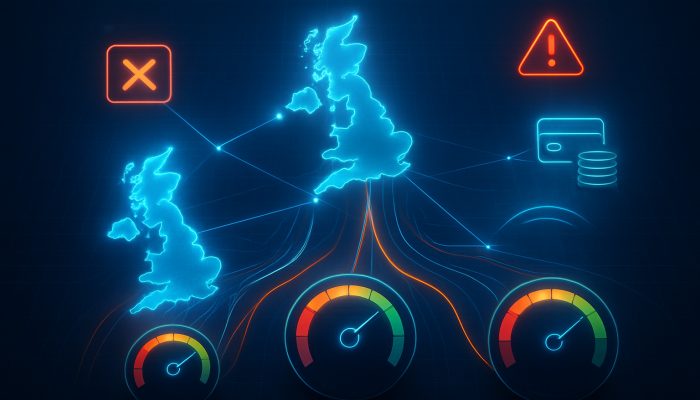
In the UK, the three primary credit reference agencies—Experian, Equifax, and TransUnion—play a vital role in gathering and disseminating payment information. These agencies ensure that lenders have access to accurate records when assessing potential loan applications. Each agency employs its own method for calculating credit scores, however, all consider missed payments a crucial factor.
These agencies compile a thorough overview of an individual’s financial history, which lenders use to evaluate risk. A strong credit report can lead to better loan terms, while a report marred by missed payments can result in higher costs or outright credit denial. Understanding the function of these agencies is essential for anyone looking to improve their borrowing prospects.
How Long Do Negative Marks Stay on Records?
Negative entries resulting from missed payments typically remain on credit reports for up to six years. This duration can significantly affect new loan opportunities within the UK lending environment. Even after a missed payment has been resolved, its impact can persist, making it crucial for borrowers to understand the long-term effects of their financial choices.
Over time, the significance of missed payments may diminish, especially if borrowers demonstrate consistent repayment behaviour. The initial six-year period can present challenges for those seeking new credit. Awareness of this timeline and taking steps to lessen its impact on their financial future is imperative for individuals.
How to Access Your Personal Credit Report
Individuals in the UK can request free credit reports annually from the major credit reference agencies. This access allows borrowers to review how missed payments have been recorded and devise plans for improvements to enhance their loan approval chances. Regularly monitoring credit reports is a proactive step in managing one’s financial health.
By examining their credit reports, individuals can identify any discrepancies or errors that may negatively impact their scores. Promptly addressing these issues can lead to improved creditworthiness and a greater likelihood of securing loans in the future. Understanding how to access and interpret these reports is vital for achieving financial success.
Factors Influencing Credit Scores from Payment History
Payment histories are pivotal in determining credit scores, as consistent repayments demonstrate reliability to lenders. Conversely, missed payments signify risk, leading to higher interest rates or denials for financial products across the UK. Recognising these factors can assist borrowers in navigating their financial paths more effectively.
Various elements affect credit scores, including the frequency of missed payments, the amounts owed, and the overall credit utilisation ratio. By maintaining a positive payment history and managing debts responsibly, individuals can improve their credit scores over time. This enhancement is crucial for increasing future loan opportunities and accessing better financial products.
Dispute Procedures for Incorrect Credit Information
Individuals who notice inaccuracies on their credit reports can contact the relevant agencies to request corrections. This process often requires providing evidence of an accurate payment history, resulting in revised scores and improved access to credit facilities in the UK. Understanding the dispute process is essential for those seeking to enhance their credit standing.
Taking action to rectify inaccuracies can have a significantly positive impact on an individual’s credit profile. By ensuring that credit reports accurately reflect true financial behaviour, borrowers can increase their chances of securing loans and obtaining favourable terms. This proactive approach is vital for anyone striving to rebuild their financial reputation.
How Do Missed Payments Affect Credit Ratings?
Scoring Models Used by Lenders in the United Kingdom
Various scoring systems employed by UK lenders place considerable weight on missed payments, resulting in lower credit ratings for affected borrowers. These models evaluate numerous factors, including payment history, outstanding debts, and overall credit utilisation. A record of missed payments can drastically reduce a borrower’s credit score, complicating their ability to secure loans.
Lenders rely on these scoring models to assess risk, and a poor credit rating can lead to higher interest rates or rejected applications. Understanding how these models operate can help borrowers make informed decisions regarding their financial behaviour and take steps to enhance their credit ratings over time.
What Are the Implications for Interest Rates?
Lower credit scores resulting from missed payments often lead to higher interest rates, making new loans more expensive in the UK market. Lenders view individuals with poor credit ratings as higher risk, resulting in increased borrowing costs. This situation can create a cycle of financial strain, making it difficult for borrowers to recover from previous mistakes.
In many cases, borrowers may end up paying significantly more in interest over the life of a loan due to their credit history. This reality highlights the importance of maintaining a positive payment record and addressing any missed payments promptly to prevent long-term financial repercussions.
Recovery Timelines Following Initial Issues
Borrowers may observe gradual improvements in their credit scores once they resume consistent payments. Committing to timely repayments can help rebuild trust with lenders and enhance opportunities for future loans. The recovery process requires patience, as it can take time for those looking to restore their credit ratings.
Establishing a pattern of responsible financial behaviour is crucial for improving credit scores. Over time, as missed payments become less relevant in scoring models, borrowers can regain access to better loan terms and financial products. Understanding this timeline is essential for anyone seeking to recover from past payment issues.
Expert Perspectives on the Impact of Missed Payments on New Loan Opportunities
Real-Life Examples from Cases in the United Kingdom
Real-world scenarios demonstrate how specific missed payments can lead to declined applications. For example, a borrower who has failed to make multiple credit card payments may struggle to secure a mortgage, as lenders often interpret such behaviour as indicative of financial instability. These cases highlight the necessity of maintaining a solid payment history.
Instances where borrowers have successfully negotiated repayment plans after missed payments illustrate the potential for recovery. By proactively addressing their financial difficulties, individuals can improve their chances of securing loans in the future. Grasping these dynamics can empower borrowers to take control of their financial futures.
Thorough Evaluation of Credit Repair Strategies
Effective credit repair strategies generally involve a combination of timely repayments and proactive communication with lenders. For example, individuals who have missed payments may find it beneficial to contact their creditors to negotiate new terms. This approach can help restore trust and improve credit ratings over time.
Another effective method involves seeking guidance from financial advisors or debt charities. These professionals can provide tailored advice on managing debts and enhancing credit standings. By employing these strategies, borrowers can regain access to financial products and improve their chances of securing future loans.
Practical Steps for Borrowers to Consider
Borrowers facing challenges due to missed payments should take immediate action to protect their new loan opportunities. Engaging with creditors to negotiate revised repayment plans is a vital first step. Open communication can lead to more manageable terms and prevent further financial difficulties.
Individuals should focus on maintaining consistent repayments on current accounts. Establishing a budget and setting aside emergency funds can help prevent future missed payments. By taking these proactive measures, borrowers can gradually enhance their credit profiles and improve their chances of securing loans in the future.
What Effects Do Defaults Have on Loan Applications?
Visibility of CCJs to Potential Lenders
County court judgments (CCJs) are recorded on credit histories, making approval more challenging for those with payment history issues. These judgments indicate that a lender has taken legal action to recover debts, which can significantly influence future loan opportunities. Lenders regard CCJs as a serious risk factor, resulting in increased scrutiny of applications.
The presence of CCJs can deter potential lenders, leading to higher interest rates or outright refusals. Understanding the implications of CCJs is essential for borrowers, as these judgments can remain on credit reports for several years, further complicating their financial circumstances.
How Lenders Evaluate Risk Profiles
Underwriters meticulously analyse details of defaults when assessing risk profiles, often resulting in outright denials for new loan applications in the UK. Lenders assess various factors, including the number of missed payments, the duration of defaults, and overall credit behaviour. A history of defaults can create a perception of unreliability that is difficult to overcome.
This thorough evaluation process underscores the importance of maintaining a positive payment history. Borrowers with defaults on their records must take proactive steps to enhance their creditworthiness and demonstrate their ability to manage financial obligations responsibly.
What Actions Can Improve Approval Chances?
Negotiating settlements and ensuring timely payments can gradually rebuild trust, enhancing new loan opportunities over time. Borrowers should actively engage with creditors to establish manageable repayment plans, showcasing their commitment to resolving outstanding debts. This strategy can greatly improve their chances of securing future loans.
Focusing on consistent repayment practices across all financial products can strengthen credit profiles. By implementing these steps, individuals can work towards restoring their credit ratings and increasing their access to better financial opportunities in the future.
Proven Techniques for Understanding the Impact of Missed Payments on New Loan Prospects
Budgeting Strategies for Consistent Repayments
Establishing emergency funds is a vital budgeting strategy that can help prevent future missed payments. By setting aside a portion of income for unforeseen expenses, borrowers can ensure they have the financial buffer required to meet their obligations. This proactive approach can significantly enhance new loan opportunities.
Implementing a strict budget can assist individuals in tracking their spending and prioritising essential payments. By adopting these budgeting techniques, borrowers can maintain steady repayments and enhance their overall financial stability, ultimately leading to improved loan opportunities.
Effectively Negotiating with Creditors
Effective negotiation with creditors can facilitate successful payment plans that protect new loan opportunities. For instance, borrowers who communicate their financial difficulties may be able to secure temporary forbearance or reduced payment terms. This practice not only helps in managing current obligations but also demonstrates a commitment to resolving financial challenges.
Real-life examples highlight the importance of open dialogue in these negotiations. Borrowers who proactively engage with their creditors often find that lenders are willing to cooperate, leading to improved financial outcomes and enhanced prospects for securing future loans.
Regularly Monitoring Credit for Accuracy
Consistently reviewing credit reports for accuracy is crucial for maintaining strong new loan opportunities. By utilising alerts to identify errors early, individuals can take immediate action to rectify inaccuracies that may adversely affect their credit profiles. This proactive approach helps ensure that credit reports accurately reflect their financial behaviour.
Understanding how to interpret credit reports empowers borrowers to pinpoint areas for improvement. By staying informed about their credit standing, individuals can take steps to enhance their credit scores and improve their chances of obtaining loans in the future.
Can Lenders Access Your Complete Payment History?
Data-Sharing Practices Among UK Banks
Lenders routinely access comprehensive histories that disclose all missed payments, influencing decisions regarding new loan opportunities. This data-sharing practice ensures that lenders have a complete view of an individual’s financial behaviour, allowing for accurate risk assessment. Understanding this process is vital for borrowers aiming to improve their credit profiles.
The visibility of payment histories means that borrowers with missed payments must take proactive measures to address their financial situations. By demonstrating consistent repayment behaviour and effectively communicating with lenders, individuals can work towards improving their chances of securing loans in the future.
Limits on Information Disclosure Periods
Older missed payments may become less visible after several years, potentially increasing new loan opportunities for applicants. In the UK, most negative entries remain on credit reports for up to six years; however, as time passes, their impact on credit scores diminishes. This reality can provide a pathway for individuals aiming to enhance their borrowing prospects.
As borrowers strive to maintain positive financial behaviours, they may find their credit scores gradually improving. Understanding the limits on information disclosure periods can aid individuals in strategising their financial recovery and enhancing their chances of securing loans in the future.
How to Challenge Incorrect Entries
Disputing errors with credit agencies can swiftly correct records, improving new loan prospects for affected individuals. When borrowers identify inaccuracies on their credit reports, they should promptly reach out to the relevant agencies to request corrections. This process often involves providing evidence of an accurate payment history.
Taking steps to challenge incorrect entries can significantly bolster an individual’s credit profile. By ensuring that credit reports accurately reflect true financial behaviour, borrowers can enhance their chances of securing loans and favourable terms in the future.
Steps to Improve Your Chances After Missed Payments
Establishing Positive Payment Patterns
Creating consistent on-time repayments on current accounts is essential for offsetting past issues and gradually restoring new loan opportunities. By prioritising timely payments, borrowers can demonstrate their reliability to lenders and improve their credit scores over time. This positive behaviour can greatly enhance future borrowing prospects.
Individuals should consider setting up automatic payments or reminders to ensure they never miss a due date. These strategies can help foster a habit of responsible financial management, ultimately leading to better credit profiles and increased chances of securing loans in the future.
Seeking Guidance from Debt Charities
Organisations such as StepChange offer tailored support to UK residents facing payment difficulties. These charities can provide invaluable assistance, helping individuals navigate their financial challenges and develop effective repayment strategies. Seeking advice from these professionals can empower borrowers to take control of their financial situations.
Debt charities can also assist in negotiating with creditors and establishing manageable repayment plans. By leveraging their expertise, borrowers can enhance their chances of securing loans and improving their overall financial health.
Exploring Specialist Loan Products
Certain lenders cater to individuals with less-than-perfect credit histories, providing avenues to new loan opportunities despite past missed payments. These specialist loan products are designed for those who may find it difficult to secure traditional loans due to their credit history. Understanding these options can help borrowers discover solutions tailored to their needs.
Individuals should research different lenders to identify those that offer more flexible terms. By exploring these opportunities, borrowers can increase their chances of obtaining financing and enhancing their overall financial standing.
Reviewing and Correcting Credit Reports
Obtaining copies of credit reports from agencies like Experian allows borrowers to identify and dispute any errors stemming from past missed payments. Regularly reviewing credit reports is essential for maintaining accurate records and improving overall credit profiles. This proactive approach can lead to better loan prospects over time.
By recognising discrepancies and taking action to amend them, individuals can strengthen their creditworthiness. Ensuring that credit reports accurately reflect financial behaviour is crucial for securing loans and favourable terms in the future.
Communicating with Existing Creditors
Engaging with creditors to establish affordable repayment plans can prevent the escalation of debts. By demonstrating commitment to resolving issues, borrowers can gradually restore their credit standing following previous missed payments. Open communication with creditors is essential for finding workable solutions that support financial recovery.
Maintaining consistent payments on new agreements can help rebuild trust with lenders. By taking these steps, borrowers can improve their chances of securing loans and enhancing their overall financial health.
Long-Term Effects on Financial Opportunities
The Impact on Future Mortgage Approvals
Early missed payments can delay home buying for years due to stricter evaluations of new loan applications. Lenders often scrutinise applicants with a history of missed payments, making it increasingly difficult to obtain mortgage approvals. This reality can have lasting implications for individuals aiming to purchase homes.
Understanding the potential delays caused by missed payments is crucial for borrowers planning for future home ownership. By proactively managing their credit profiles, individuals can work towards enhancing their chances of securing mortgages and achieving their homeownership goals.
Effects on Insurance Premiums and Beyond
Wider financial products may incur additional costs due to credit impacts from missed payments, limiting overall options. Insurers frequently use credit scores to assess risk, meaning individuals with poor credit histories may encounter higher premiums for home, car, or life insurance. This reality underscores the extensive consequences of missed payments on overall financial health.
By understanding these implications, borrowers can take steps to improve their credit profiles and mitigate the impact on insurance costs. Maintaining a positive payment history is essential for securing favourable terms across various financial products.
Strategising for Future Borrowing Success
Long-term strategies focusing on maintaining clean records are vital for maximising new loan opportunities in the UK. By prioritising timely repayments and fostering open communication with creditors, individuals can work towards improving their credit scores and enhancing their access to financial products. This proactive approach is essential for achieving future borrowing success.
Setting financial goals and regularly reviewing credit reports can help individuals stay on track. By remaining informed about their financial status, borrowers can make educated decisions that lead to improved creditworthiness and better loan opportunities in the long run.
Frequently Asked Questions
What Are Missed Payments?
Missed payments occur when borrowers fail to meet their financial obligations on time, such as credit card bills or loan repayments. These incidents are documented on credit files and can significantly affect credit scores.
How Long Do Missed Payments Influence Credit Scores?
Missed payments can remain on credit reports for up to six years, impacting credit scores and future borrowing opportunities during that timeframe.
Is It Possible to Improve My Credit Score After Missed Payments?
Yes, individuals can enhance their credit scores by consistently making timely payments, correcting inaccuracies on credit reports, and practising responsible financial behaviours.
What Is a Default Notice?
A default notice is a formal warning issued by lenders when payments are missed. It signals serious implications for future borrowing and can negatively influence credit scores.
How Can I Check My Credit Report?
Individuals can request free credit reports annually from major credit reference agencies such as Experian, Equifax, and TransUnion to monitor their financial health.
What Should I Do If I Discover an Error on My Credit Report?
If you find an error on your credit report, reach out to the relevant credit agency to dispute the information. Provide evidence of your accurate payment history to support your claim.
Do Missed Payments Influence Mortgage Applications?
Yes, missed payments can adversely affect mortgage applications, potentially leading to higher interest rates or outright rejections from lenders.
How Can I Effectively Negotiate with Creditors?
To negotiate with creditors, communicate openly about your financial circumstances and propose manageable repayment plans. Many lenders are willing to collaborate with borrowers facing difficulties.
What Are the Consequences of a County Court Judgment (CCJ)?
A CCJ appears on credit records and can make it challenging to secure future loans, as lenders perceive it as a serious risk factor.
Is It Possible to Obtain a Loan with a History of Missed Payments?
While it may be difficult to secure a loan with a history of missed payments, some lenders offer specialist products for individuals with imperfect credit histories.
Connect with us on Facebook today!
This Article Was First Found On: https://www.debtconsolidationloans.co.uk