Maximising Business Growth Through Minimum Order Size Requirements
Clarifying Essential Concepts
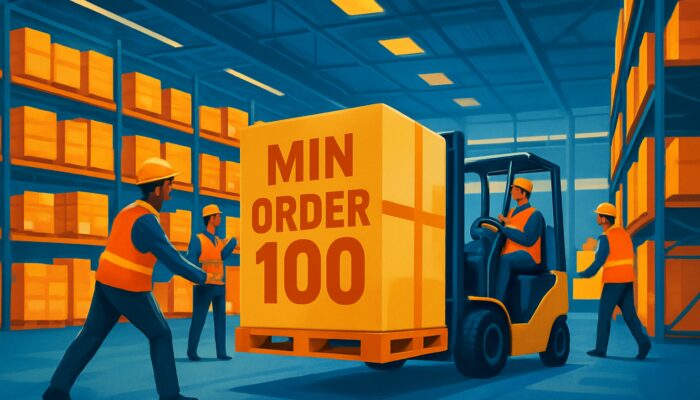
Businesses implement minimum order size requirements to optimise production processes and improve logistics efficiency. These guidelines ensure that resources are effectively aligned with demand trends while also maintaining cost control throughout the supply chain. Across a variety of sectors, including manufacturing and retail, establishing a minimum order size is crucial for achieving a balance between operational efficiency and customer satisfaction. This strategy allows companies to manage their inventory effectively while refining their processes, ultimately enhancing profitability.
Grasping these requirements empowers businesses to better anticipate customer needs and regulate their operational capabilities. For instance, a manufacturer may set a minimum order size to promote efficient and cost-effective production runs. This not only synchronises production schedules but also reduces waste, paving the way for more sustainable operations over time.
The minimum order size can differ greatly across industries and geographical regions. For example, in the food and beverage sector, the thresholds might be lower due to the nature of the products, whereas industries dealing with heavy machinery often impose much higher limits. Understanding these variations is essential for businesses aiming for success in a global marketplace.
In What Ways Do Minimum Order Sizes Enhance Efficiency?
Assessing minimum order size thresholds can significantly improve workflows within an organisation. By minimising waste and aligning procurement with actual needs, businesses can enhance their inventory management. This increased efficiency fosters operational predictability over time, allowing companies to react more adeptly to market fluctuations.
For example, a company that specializes in electronic components might establish a minimum order size to ensure production focuses solely on the most in-demand items. This approach not only curbs excess inventory but also reduces costs related to storage and handling. As a result, the company can allocate resources more judiciously, concentrating on high-demand products while steering clear of the pitfalls associated with overproduction.
Setting these thresholds encourages businesses to meticulously analyse their sales data and market trends. By evaluating customer purchasing behaviours, companies can adjust their minimum order sizes to better align with demand, ultimately enhancing efficiency and customer satisfaction. This proactive stance fosters a culture of continuous improvement, motivating organisations to consistently refine their processes.
What Key Factors Influence Minimum Order Size Decisions?
Several critical factors shape the establishment of minimum order size requirements. Production capacities are paramount; businesses must evaluate their ability to fulfil order demands without sacrificing quality or efficiency. Accurate demand forecasting is vital for anticipating customer needs and aligning production schedules accordingly.
Supplier capabilities significantly influence these thresholds as well. A dependable supplier can deliver the necessary materials or products in adequate quantities, enabling businesses to set higher minimum order sizes. Conversely, if suppliers struggle to meet demand, companies may need to lower their thresholds to maintain operational stability.
Market trends and competitive pressures can also impact these decisions. Companies must remain nimble, adjusting their minimum order sizes in response to changes in consumer behaviour and market conditions. By considering these elements, businesses can implement sustainable methods that align with their operational objectives while fulfilling customer expectations.
How Do Minimum Order Sizes Affect Customer Relationships?

Minimum order size requirements can profoundly influence client satisfaction and retention. When businesses impose stringent thresholds, smaller clients may feel overlooked or undervalued. This can lead to dissatisfaction and, ultimately, a loss of business. It is essential for companies to communicate these requirements clearly while providing value-added services that cater to the diverse needs of their customers.
To nurture positive long-term relationships, businesses can explore flexible arrangements for smaller clients. For example, they might consider introducing tiered pricing models or facilitating pooled orders from multiple smaller clients. These strategies not only enhance customer satisfaction but also foster loyalty by demonstrating a commitment to addressing varied client requirements.
Transparent communication regarding minimum order size requirements aids in managing customer expectations. By explaining the reasons behind these thresholds, businesses can cultivate understanding and cooperation among clients. This transparency is vital for building trust and ensuring that customers feel valued, regardless of their order size.
Expert Perspectives on Minimum Order Size Requirements
Real-World Examples of Minimum Order Size Thresholds
Numerous real-world instances demonstrate the implementation of minimum order sizes across different industries. For example, a leading online retailer may set a minimum order size to qualify for free shipping, encouraging customers to purchase additional items. This tactic not only increases sales but also reduces shipping costs, boosting overall profitability.
In the pharmaceutical industry, manufacturers frequently impose minimum order sizes for prescription medications. This practice ensures efficient production runs and effective inventory management. By analysing historical data and market trends, companies can optimise their processes to reduce inefficiencies while enhancing customer satisfaction.
To evaluate volume needs, businesses should proactively review past sales data, scrutinise seasonal trends, and conduct customer surveys. By gaining insights into the factors driving demand, companies can establish appropriate minimum order sizes that align with their operational capabilities while still meeting customer needs.
What Are the Industry Standards for Minimum Order Sizes?

Understanding industry standards for minimum order sizes is vital for businesses seeking to optimise their operations. Here are some key advantages of refining these thresholds:
- Cost savings through reduced production and shipping expenses.
- Enhanced resource allocation, ensuring efficient use of materials.
- Improved inventory management, resulting in fewer stock shortages and excesses.
- Streamlined production schedules that align with actual demand.
By analysing industry standards, businesses can identify best practices that align with their operational objectives. For instance, a company in the fashion industry might discover that increasing minimum order sizes during peak seasons enhances production efficiency while effectively meeting customer demand.
Keeping abreast of competitors’ practices can yield valuable insights. By benchmarking against industry peers, businesses can refine their own minimum order size requirements, ensuring competitiveness while enhancing operational efficiency.
Effective Strategies for Ensuring Compliance with Minimum Order Sizes
Adjusting minimum order size requirements to fit evolving business models is crucial for long-term sustainability. Companies should engage in thorough planning and collaborate with stakeholders to ensure compliance with these thresholds. One effective strategy involves involving key team members in the decision-making process, fostering a sense of ownership and accountability.
Regular reviews and updates of minimum order sizes based on market dynamics and customer feedback are also essential. This adaptability allows businesses to respond to demand fluctuations and adjust their operations accordingly. For example, during economic downturns, companies might need to lower their thresholds to accommodate smaller buyers and maintain sales volume.
Investing in technology can strengthen compliance efforts. Utilising advanced analytics tools enables businesses to monitor order trends and adjust their minimum order sizes in real time. This proactive approach not only ensures compliance but also cultivates a culture of continuous improvement, empowering organisations to flourish in dynamic market conditions.
Insights on Supplier Negotiations Regarding Minimum Order Sizes
Negotiating minimum order sizes with suppliers is crucial for maintaining operational efficiency. Businesses should approach these discussions strategically, aiming for improved terms while sustaining strong relationships. One effective tactic involves presenting data-supported insights during negotiations, highlighting how adjusted minimum order sizes can be beneficial for both parties.
For instance, a retailer may negotiate a lower minimum order size with a supplier in exchange for a longer contract duration. This arrangement provides the supplier with guaranteed sales while allowing the retailer to manage inventory levels more effectively. By promoting collaboration, both parties can achieve their goals without compromising operational efficiency.
Maintaining open communication with suppliers is key to building trust and facilitating negotiations. Regular updates about business needs can lead to more favourable terms. By prioritising these relationships, companies can navigate supply chain challenges more effectively while fulfilling their minimum order size requirements.
How Do Minimum Order Size Requirements Impact Operational Processes?
Effects on Production Planning
Minimum order size requirements directly influence production planning. These quantity guidelines affect scheduling and resource allocation, necessitating precise calculations to avoid disruptions. For example, a manufacturer that enforces a minimum order size may need to adjust its production schedule to accommodate larger batches, ensuring consistent output levels.
To effectively manage production planning, companies must assess their operational capabilities and accurately forecast demand. By understanding how minimum order sizes impact their workflows, businesses can optimise production processes, reducing downtime and increasing efficiency. This strategic approach not only enhances output but also aligns production with actual market needs.
Aligning production planning with minimum order sizes also fosters better collaboration among departments. For instance, sales and production teams can work together to establish realistic targets, ensuring that customer demands are met without overextending resources. This teamwork is essential for maintaining seamless operations and achieving overarching business objectives.
Essential Supply Chain Adjustments for Minimum Order Sizes
Companies must implement significant supply chain adjustments to meet minimum order size requirements. These changes frequently involve recalibrating logistics and vendor relationships to ensure that established volumes can be reliably fulfilled. For example, a company may need to negotiate new contracts with suppliers to secure the necessary materials in sufficient quantities, ensuring consistent delivery timelines.
Investing in technology that enhances supply chain visibility is also crucial. Advanced tracking systems can assist organisations in monitoring inventory levels and managing orders more effectively, ensuring they meet minimum order size requirements without compromising service quality. This proactive strategy reduces variability in delivery timelines and improves overall operational efficiency.
Building robust relationships with multiple suppliers can mitigate risks associated with minimum order sizes. By diversifying their vendor base, companies can ensure they have the necessary resources to meet demand, even when unexpected challenges arise. This flexibility is vital for maintaining a resilient supply chain that can adapt to changing market conditions.
What Role Does Data Analytics Play in Minimum Order Sizes?
Data analytics play an essential role in shaping minimum order size requirements. By leveraging metrics, businesses can make informed adjustments to their order policies, improving prediction accuracy and bolstering proactive management strategies. For example, analysing historical sales data can uncover patterns that inform minimum order sizes, helping companies align production with actual customer demand.
Data analytics can also identify inefficiencies within operations. By examining order fulfilment processes and inventory turnover rates, businesses can pinpoint areas for improvement and adjust their minimum order sizes accordingly. This data-driven approach not only enhances operational efficiency but also increases customer satisfaction.
Predictive analytics can provide insights into future demand trends. By forecasting market shifts and consumer behaviour, companies can proactively adjust their minimum order sizes, ensuring they remain competitive in dynamic environments. This strategic use of data analytics empowers organisations to navigate complexities and optimise their operations effectively.
Research-Backed Benefits of Minimum Order Size Requirements
Strategies for Cost Reduction
Research demonstrates that establishing structured minimum order size requirements can lead to significant cost reductions for businesses. By concentrating on high-value batches, companies can enhance margins through targeted resource allocation. This approach minimises per-unit expenses, ultimately boosting profitability.
For instance, a company specialising in custom furniture manufacturing might find that implementing a minimum order size streamlines production processes. By producing larger quantities of specific designs, they can reduce labour and material costs, leading to improved overall efficiency. This cost-effective strategy positions the company favourably in a competitive market.
Setting minimum order sizes also empowers businesses to negotiate more advantageous terms with suppliers. When companies commit to larger orders, they often gain leverage in negotiations, securing discounts and favourable payment conditions. This strategic advantage can further enhance profitability and contribute to sustainable business growth.
Actionable Steps for Successful Implementation
To effectively implement minimum order size requirements, businesses can take several actionable steps. First, conducting a comprehensive analysis of historical sales data is essential. By identifying trends and patterns, companies can determine realistic order sizes that correspond with customer demand.
Next, organisations should encourage cross-departmental collaboration. Involving teams from sales, production, and logistics ensures that minimum order sizes are practical and beneficial across the board. This collaborative approach promotes buy-in from all stakeholders, leading to smoother execution.
Businesses must continuously monitor and reassess their minimum order size policies. Regular reviews enable organisations to adjust their thresholds based on evolving market conditions and customer feedback. This iterative process enhances operational stability and positions companies for long-term success in competitive environments.
Boosting Customer Satisfaction Through Consistent Policies
Establishing stable minimum order size policies contributes to increased customer satisfaction. When businesses adhere to these requirements, they can offer reliable service that effectively meets buyer expectations. This consistency nurtures trust and loyalty, which are crucial for fostering long-term customer relationships.
For instance, a wholesale distributor that maintains clear minimum order sizes can guarantee timely fulfilment of customer orders. By consistently meeting these thresholds, the distributor reinforces its reputation for reliability, encouraging repeat business and positive referrals.
Predictable fulfilment processes enhance the overall customer experience. When clients are aware of what to expect regarding order sizes and delivery timelines, they can plan their operations more effectively. This transparency not only boosts satisfaction but also strengthens the partnership between businesses and their customers.
Optimising Inventory Management with Minimum Order Sizes
Research indicates that minimum order sizes enhance logistics by reducing shipment frequency and associated costs. By consolidating orders into larger batches, businesses can improve their inventory management processes. This approach leads to better demand forecasting and inventory control, resulting in sustained competitive advantages.
For example, a consumer electronics company may determine that implementing minimum order sizes decreases the frequency of shipments from suppliers. This consolidation reduces transportation costs and diminishes the environmental impact of logistics operations. The company can allocate resources more effectively and enhance its overall sustainability practices.
Streamlined inventory management empowers businesses to respond more swiftly to market changes. By maintaining optimal stock levels in line with minimum order sizes, companies can avoid stock shortages and excess inventory situations. This agility is crucial for thriving in dynamic market conditions, ensuring that businesses remain competitive and profitable.
What Challenges Are Associated with Minimum Order Size Requirements?
Finding the Right Balance Between Flexibility and Structure
A significant challenge businesses encounter with minimum order size requirements is achieving the right balance between flexibility and structure. Rigid limits can conflict with variable demands, necessitating hybrid approaches that permit exceptions without compromising overall efficiency.
For instance, a company may establish a standard minimum order size but allow for exceptions during promotional periods or for loyal clients. This flexibility can enhance customer satisfaction while still preserving operational efficiency. Striking this balance is essential for nurturing positive client relationships and ensuring sustained business growth.
Businesses must remain vigilant to market trends and customer behaviours. By monitoring shifts in demand, organisations can adjust their minimum order sizes as necessary. This adaptability not only supports operational efficiency but also positions companies to respond effectively to evolving customer needs.
Fostering a collaborative culture among teams can aid in addressing challenges associated with minimum order sizes. Encouraging open communication and feedback allows businesses to identify potential conflicts and develop solutions that benefit both operations and customer relationships.
Common Implementation Challenges
Frequent implementation challenges arise from inaccurate forecasting or resistance to change. Businesses may struggle to establish effective minimum order sizes if they lack reliable data or encounter pushback from employees accustomed to existing practices. Tackling these challenges requires targeted training and system upgrades to effectively overcome barriers.
To mitigate these issues, companies should invest in robust forecasting tools that provide accurate insights into demand patterns. By leveraging technology, organisations can enhance their ability to set appropriate minimum order sizes that align with market conditions. This data-driven approach fosters confidence in decision-making and facilitates smoother implementation.
Resistance to change can also be addressed through effective communication and engagement strategies. Involving employees in the decision-making process and providing training on new policies can help alleviate concerns and encourage buy-in. By nurturing a supportive environment, businesses can navigate implementation challenges more effectively.
Utilising Technology to Overcome Challenges
Advanced technology is critical for overcoming challenges linked to minimum order size requirements. Implementing sophisticated monitoring systems enables organisations to track inventory levels and order patterns in real time. This visibility allows businesses to make informed adjustments to their minimum order sizes, ensuring compliance and operational efficiency.
For instance, employing data analytics tools can assist companies in identifying trends and forecasting demand with greater accuracy. By harnessing these insights, organisations can refine their minimum order size policies, adapting to changing market conditions while maintaining operational stability. This proactive approach is essential for navigating complexities in today’s dynamic business landscape.
Investing in supply chain management software can facilitate collaboration among teams and suppliers. These tools promote communication and streamline processes, ensuring that all stakeholders align with minimum order size requirements. This integration fosters a more resilient supply chain capable of adapting to demand fluctuations.
Managing Tensions in Supplier Relationships
Enforcing strict minimum order sizes can create friction with smaller or emerging suppliers who may lack the capacity to comply. This strain can lead to supply inconsistencies, necessitating proactive measures to maintain reliable operations. Businesses must manage these challenges carefully to avoid jeopardising valuable partnerships.
One effective strategy is to implement gradual approaches to minimum order sizes. By slowly increasing thresholds over time, companies can give suppliers the opportunity to adapt their operations accordingly. This method fosters collaboration and ensures that suppliers feel engaged as partners rather than sidelined by stringent requirements.
Diversifying vendor networks can help mitigate risks associated with minimum order sizes. By establishing relationships with multiple suppliers, businesses can secure the necessary resources to meet demand. This flexibility is vital for maintaining operational efficiency and preventing supply chain bottlenecks.
Ultimately, nurturing open communication with suppliers is essential for addressing potential tensions. Regular check-ins and discussions about minimum order size requirements can help build trust and strengthen partnerships, ensuring both parties are aligned in their objectives.
Effective Strategies for Implementing Minimum Order Size Requirements
Comprehensive Step-by-Step Rollout Plans
Implementing efficient minimum order size requirements necessitates meticulous planning and execution. A comprehensive rollout plan allows businesses to test and refine their policies, ensuring seamless integration with existing systems. This phased approach helps organisations identify potential issues early and make necessary adjustments.
Initially, companies should conduct a detailed assessment of their current operations and customer needs. This evaluation will inform the establishment of realistic minimum order sizes that accurately reflect market demand. Engaging key stakeholders in this process encourages collaboration and ensures diverse perspectives are considered.
Next, businesses can pilot the new minimum order size requirements with a select group of customers. This trial phase allows organisations to gather feedback and evaluate the impact on operations. Based on the outcomes, companies can refine their policies before full-scale implementation, ensuring measurable improvements in performance metrics.
Continuous Monitoring and Evaluation Practices
Ongoing monitoring and evaluation are vital for ensuring compliance with minimum order size requirements. By establishing clear performance indicators, businesses can assess the effectiveness of their policies and make timely adjustments as necessary. This continuous review process cultivates a culture of ongoing improvement and operational excellence.
Companies should implement metrics that measure key aspects of order fulfilment, such as lead times, inventory turnover rates, and customer satisfaction. Analysing these indicators provides valuable insights into the impact of minimum order sizes on overall operations. Regular reviews enable organisations to identify trends and make data-informed decisions that enhance efficiency.
Collecting feedback from operational teams is crucial for refining minimum order size policies. By promoting open communication and soliciting input, businesses can address potential challenges and ensure that their requirements align with customer needs. This collaborative approach fosters transparency and accountability.
Long-Term Benefits of Optimising Minimum Order Sizes
Establishing effective minimum order size requirements can yield significant long-term advantages for businesses. Key benefits of optimising these thresholds include:
- Sustained growth through enhanced operational efficiency and cost savings.
- Improved adaptability to changing market conditions and customer demands.
- Stronger supplier relationships built on trust and collaboration.
- Increased customer satisfaction and loyalty through reliable service delivery.
By focusing on these long-term impacts, organisations can position themselves for success in an increasingly competitive landscape. Implementing minimum order size requirements streamlines operations and fosters a culture of continuous improvement and innovation. This strategic approach enables businesses to thrive in dynamic market conditions while meeting the evolving needs of their customers.
Frequently Asked Questions
What are minimum order size requirements?
Minimum order size requirements are thresholds set by businesses that define the smallest quantity of products or services a customer must purchase. These requirements optimise production and logistics while effectively managing costs.
Why do businesses implement minimum order sizes?
Businesses establish minimum order sizes to streamline operations, minimise waste, and align procurement with actual demand. This practice enhances inventory management and operational predictability, ultimately improving profitability.
How do minimum order sizes affect customer relationships?
Minimum order sizes may impact customer relationships by potentially alienating smaller clients. Clear communication and flexible options are essential for maintaining positive long-term partnerships and ensuring customer satisfaction.
What factors drive minimum order size decisions?
Factors influencing minimum order size decisions include production capacities, demand forecasting, supplier capabilities, and market trends. These elements collectively shape viable order volumes for sustainable business practices.
How can companies assess their minimum order size needs?
Companies can evaluate their minimum order size needs by analysing historical sales data, reviewing market trends, and conducting customer surveys. This data-driven approach helps refine processes and reduce inefficiencies.
What benefits come from optimising minimum order sizes?
Optimising minimum order sizes can lead to cost savings, improved resource allocation, enhanced inventory management, and streamlined production schedules. These advantages contribute to overall operational efficiency.
How can businesses negotiate minimum order sizes with suppliers?
Businesses can negotiate minimum order sizes with suppliers by presenting data-driven insights and exploring mutually beneficial arrangements. Building strong relationships and maintaining open communication is vital for successful negotiations.
What challenges do businesses face with minimum order sizes?
Challenges include balancing flexibility with structure, overcoming common implementation hurdles, and managing supplier relationships. Addressing these issues requires targeted strategies and effective communication.
How can technology assist with minimum order size requirements?
Technology can aid by providing advanced analytics tools for tracking order patterns, enhancing supply chain visibility, and facilitating collaboration among teams. These capabilities support informed decision-making and operational efficiency.
What long-term impacts can effective minimum order sizes produce?
Effective minimum order sizes can lead to sustained growth, improved adaptability, stronger supplier relationships, and enhanced customer satisfaction. These long-term benefits position businesses for success in competitive markets.
Visit our Facebook profile today!
The Article Minimum Order Size Requirements: Tips From Industry Experts Was Found On https://limitsofstrategy.com