Thorough Examination of Blood Tests for Hair Loss in Oldham
Initial Consultation Steps to Consider
Private Blood Test for Hair Loss in Oldham: Residents of Oldham should commence their journey by consulting their GP to discuss any hair loss symptoms before securing a referral for blood tests through NHS protocols. This initial consultation is crucial for collecting a comprehensive medical history, thereby facilitating an accurate diagnosis. The GP will assess the patient’s concerns about hair loss, considering factors such as family history, lifestyle factors, and any existing health conditions.

Upon gathering sufficient information, the GP can refer the individual for essential blood tests. This process follows established protocols within clinics across the United Kingdom, ensuring that care is customised to the individual’s specific needs. Patients must express their symptoms and concerns openly during this initial meeting.
Crucial Blood Markers Typically Evaluated
Blood tests designed for diagnosing hair loss generally focus on several vital indicators that may signal underlying health issues. In Oldham, healthcare providers commonly assess iron levels, <a href="https://bloodtest.co.uk/comprehensive-thyroid-blood-test/">thyroid function</a>, and various vitamin deficiencies. These markers play a significant role in linking test results to hair loss trends observed among the local population.
For instance, an iron deficiency can lead to noticeable hair thinning, while imbalances in thyroid hormones may cause hair loss or alterations in hair texture. Deficiencies in vitamins D and B12 are also known to adversely affect hair health. By analysing these blood markers, healthcare professionals in Oldham can gain a clearer perspective on potential causes of hair loss and recommend appropriate treatment options.
Follow-Up Procedures to Implement
Once the initial blood test results are available, specialists in Oldham will coordinate any further assessments as needed. This step is essential for ensuring that patients receive a comprehensive evaluation of their hair loss condition. Adhering to the United Kingdom guidelines, healthcare providers will monitor progress and adjust treatments as necessary based on the findings.
The follow-up may include additional blood tests or referrals to dermatologists or endocrinologists for more specialised evaluations. This collaborative approach guarantees that patients receive the most effective care tailored to their unique situations, optimising overall hair loss management.
Laboratory Testing Facilities Available in Oldham
Residents of Oldham can access NHS blood testing laboratories for thorough analysis of their blood samples. These facilities are fully equipped to perform a wide range of tests, with results generally available within a few days, depending on the specific markers requested by healthcare providers.
Local NHS laboratories maintain stringent quality control measures to ensure the accuracy and reliability of results. Patients can be confident that their samples are processed in accordance with United Kingdom standards, facilitating informed decisions regarding their hair loss treatment options.
Deciphering Blood Test Results
Interpreting blood test results can be complex, but specialists in Oldham are well-equipped to assist patients in understanding their outcomes. They will clarify any abnormalities concerning overall health, enabling patients to grasp the significance of their results.
Understanding the implications of blood test results is crucial for determining subsequent steps in treatment. Specialists will provide insights into how the findings relate to hair loss and recommend lifestyle modifications or medical interventions based on the results, in line with national health service protocols.
How Do Blood Tests Assist in Identifying Causes of Hair Loss in the UK?
Evaluation of Hormone Levels
Assessing hormone levels is a critical component in identifying the underlying causes of hair loss. Comprehensive hormone panels can help detect imbalances that lead to hair thinning. Clinics in Oldham adhere to rigorous United Kingdom protocols to ensure reliable interpretation of these tests.
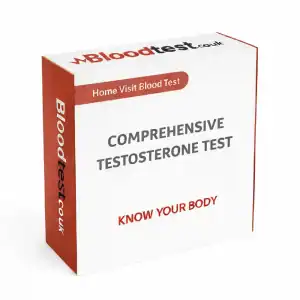
Hormones commonly evaluated include testosterone, dihydrotestosterone (DHT), and oestrogen. Imbalances in these hormones can result in various forms of hair loss, such as androgenetic alopecia. By examining hormone levels, healthcare providers can devise targeted treatment plans addressing the specific hormonal issues affecting the patient.
Testing for Nutritional Shortfalls
Nutritional deficiencies can significantly impact hair health, making testing for these deficiencies essential. In Oldham, healthcare providers frequently assess zinc, vitamin D, and B12 deficiencies, as these nutrients are crucial for maintaining healthy hair growth.
Zinc is vital for hair tissue growth and repair, while vitamin D is necessary for the formation of new hair follicles. A deficiency in B12 can lead to hair loss and changes in hair pigmentation. By identifying these deficiencies through blood tests, healthcare professionals can recommend dietary adjustments or supplements to enhance hair health.
Review of Inflammatory Markers
Inflammatory markers can offer valuable insights into underlying conditions that may contribute to hair loss. In the context of hair loss, several significant inflammatory indicators are noteworthy, including:
- C-reactive protein (CRP)
- Interleukin-6 (IL-6)
- Tumour necrosis factor-alpha (TNF-alpha)
- Matrix metalloproteinases (MMPs)
- Fibrinogen
These markers can indicate systemic inflammation or autoimmune conditions that may affect hair follicles. By assessing these inflammatory indicators, healthcare providers in Oldham can better understand the potential causes of hair loss and tailor treatment plans accordingly.
Expert Insights on Blood Tests for Hair Loss in Oldham
Professional Assessments of Local NHS Services
Local NHS services offering blood tests related to hair loss provide essential insights into the integration of diagnostic procedures within broader hair care strategies across the United Kingdom. Specialists in Oldham often share real-world cases from their practices, illustrating how blood tests can inform treatment decisions.
For example, a patient experiencing unexpected hair loss may undergo a series of blood tests that reveal an underlying thyroid issue. This discovery enables healthcare providers to address the thyroid problem, potentially reversing the hair loss. Such case studies highlight the importance of blood tests in developing effective hair care strategies tailored to individual patients.
Interpreting Complex Test Results
Understanding complex blood test results can be daunting for patients. Experts in Oldham meticulously review detailed reports to clarify findings relevant to local patients, providing actionable steps within the framework of United Kingdom medical guidelines. Clear communication is vital for helping patients comprehend their results.
For instance, if a blood test indicates low iron levels, specialists may recommend dietary changes or iron supplements. By offering context and guidance, healthcare professionals empower patients to take control of their hair health and make informed choices regarding their treatment options.
What Advanced Laboratory Techniques Are Employed?
Laboratory methods in Oldham encompass the latest United Kingdom standards for precise blood analysis related to hair loss. Advanced techniques, such as high-performance liquid chromatography (HPLC) and mass spectrometry, are routinely utilised to ensure accurate measurement of various blood markers.
These sophisticated methods enhance the reliability of test results, enabling healthcare providers to make well-informed treatment decisions. By employing advanced technology, Oldham laboratories guarantee that patients receive the highest quality care in their investigations into hair loss.
Monitoring Long-term Outcomes for Patients
Tracking long-term outcomes is essential for effective hair loss management. Specialists in Oldham provide insights into how regular blood tests guide ongoing treatments, aligning with United Kingdom protocols to ensure patient satisfaction across diverse cases.
Frequent blood tests enable healthcare providers to evaluate the efficacy of treatments over time. For example, if a patient is receiving iron supplementation, follow-up tests can indicate improvements in iron levels and, consequently, hair health. This approach ensures that treatment plans are adjusted as needed, leading to better long-term results for patients.
Which Factors Influence Test Accuracy in Oldham Clinics?
Sample Collection Quality
The quality of sample collection significantly affects the accuracy of blood tests in Oldham clinics. Proper handling of blood samples ensures that results align with United Kingdom accuracy standards for hair loss assessments. Trained phlebotomists follow stringent protocols to minimise contamination and guarantee reliable outcomes.
Inaccurate sample collection can lead to misleading results, complicating the diagnostic process. Patients should seek reputable clinics that uphold high standards in sample collection and handling. This commitment to quality directly influences the effectiveness of hair loss diagnostics.
Guidelines for Patient Preparation
Patient preparation is crucial for obtaining accurate blood test results. Fasting or adjusting medications before testing is often recommended by healthcare providers in Oldham, in accordance with national protocols. Patients should be informed about specific requirements prior to their appointments to ensure optimal testing conditions.
For example, certain medications may affect test outcomes, and patients might be advised to refrain from taking them for a specified period. Adhering to these guidelines is essential for acquiring reliable results that accurately reflect the patient’s health status and potential hair loss causes.
Laboratory Processing Standards
High-quality laboratories serving Oldham maintain rigorous United Kingdom quality controls to produce trustworthy outcomes. These facilities follow established protocols and guidelines to ensure that blood samples are processed accurately and efficiently.
Regular audits and quality assessments help sustain high standards in laboratory operations. Patients can trust that their blood tests are conducted in facilities prioritising accuracy and reliability, which is vital for effective diagnosis and treatment of hair loss.
Evidence-Based Advantages of Blood Tests for Hair Loss in Oldham
Implementing Practical Steps for Treatment Planning
Research illustrates how blood test results guide personalised treatment plans, drawing on real-world examples from Oldham. By identifying specific deficiencies or hormonal imbalances, healthcare providers can tailor interventions to suit each patient’s unique needs.
For instance, if a patient’s blood test reveals low vitamin D levels, a healthcare provider may recommend dietary changes or supplementation to address this deficiency. This personalised approach not only enhances hair health but also improves overall wellbeing, showcasing the importance of targeted treatment planning.
Benefits of Early Detection
Timely blood tests in Oldham allow for proactive management of hair loss, supported by evidence from health studies conducted in the United Kingdom. Early identification of underlying issues can lead to more effective interventions, minimising hair loss progression and enhancing patient outcomes.
For example, diagnosing a thyroid disorder early can prevent further hair thinning and enable prompt treatment. By highlighting early detection through blood tests, patients can take charge of their hair health and work towards restoring their hair growth.
Long-term Health Monitoring Advantages
Regular testing fosters ongoing evaluation, helping patients in Oldham to track improvements within United Kingdom care models. This continuous monitoring allows healthcare providers to assess the effectiveness of treatment plans and make necessary adjustments based on the patient’s progress.
For example, follow-up blood tests can indicate whether a patient’s iron levels have improved following dietary changes or supplementation. This long-term health monitoring is vital for ensuring that patients receive optimal care throughout their hair loss journey.
Where to Find Trustworthy Testing Services in Oldham?
NHS Referral Pathways for Blood Testing
Residents of Oldham can access blood testing services through GP referrals, which adhere to all United Kingdom healthcare regulations for hair loss diagnostics. This pathway ensures that patients receive appropriate assessments and follow-up care as required.
Patients should consult their GP to discuss hair loss concerns and obtain a referral for blood tests. The NHS provides a structured approach to diagnostics, guaranteeing patients access to the resources needed for effective hair loss management.
Private Clinic Options
Several accredited centres in Oldham offer expedited blood testing services while complying with national standards. These private clinics present an option for patients seeking quicker results or more tailored care solutions.
Choosing a private clinic can be advantageous for individuals preferring a more personalised experience or requiring tests not covered by the NHS. Patients should research available options and ensure that the chosen clinic meets the necessary quality standards for blood testing.
What Preparation Is Recommended?
Patients should compile their medical history and follow specific guidance from their Oldham provider to optimise test outcomes. This preparation is vital to ensure healthcare professionals have all relevant information to interpret test results accurately.
Before the appointment, patients may be advised to avoid certain medications or make dietary changes to ensure accurate results. Following these guidelines will assist healthcare providers in making informed treatment decisions based on blood test findings.
How to Prepare for Your Appointment in Oldham
Key Discussion Points for Your Doctor
Preparing questions regarding symptoms and family medical history is essential to maximise the effectiveness of blood tests in Oldham. Patients should consider discussing any recent changes in their hair health, such as thinning or shedding, alongside potential hereditary factors.
By providing comprehensive information, patients enable their doctors to understand the context of their hair loss. This collaborative approach promotes more accurate assessments and customised treatment plans based on individual circumstances.
Guidance for Post-Test Care
Follow-up care after blood tests includes lifestyle recommendations tailored to Oldham patients based on their specific results. Healthcare providers may suggest dietary adjustments, supplementation, or other interventions to address identified deficiencies or imbalances.
Patients should take these recommendations seriously, as they can significantly impact hair health. By adhering to post-test care advice, individuals can enhance their chances of improving hair growth and overall wellbeing.
Understanding Financial Implications
Recognising potential charges for private services in Oldham is important, especially when compared to the free NHS provisions available throughout the United Kingdom. Patients should inquire about costs beforehand to avoid unexpected expenses.
While NHS services are generally free at the point of use, private clinics may impose charges for expedited services. Patients should weigh the benefits of quicker results against the associated costs to make informed decisions regarding their care.
Essential Items to Bring to Your Appointment
Having identification, previous medical records, and a list of current medications at your Oldham appointment can enhance the quality of your consultation. Patients should also note recent symptoms to discuss with their doctor, ensuring that healthcare staff have comprehensive information for accurate interpretation of blood tests.
This thorough preparation encourages a productive consultation, facilitating more effective diagnosis and treatment planning. Providing detailed information allows healthcare providers to deliver the best care possible tailored to individual needs.
Logistics for Your Appointment
Confirming the clinic’s location and planning travel arrangements in advance helps avoid complications when attending Oldham for blood tests. Patients should consider parking or public transport schedules specific to the area to ensure a smooth experience.
Proper planning contributes to a seamless visit, minimising disruptions to scheduled appointment times. This attention to detail enables patients to focus on their health and receive necessary testing without unnecessary stress.
Common Inquiries and Answers
What are the main causes of hair loss?
The primary causes of hair loss include genetic predispositions, hormonal imbalances, nutritional deficiencies, and stress. Conditions such as alopecia areata and thyroid disorders may also contribute to hair loss.
How long does it typically take to receive blood test results?
Blood test results usually take a few days to process, depending on the specific markers tested. Patients can generally expect to receive results within a week.
Are blood tests covered by the NHS?
Yes, blood tests referred by a GP are typically covered by the NHS. Patients should confirm coverage with their healthcare provider for specific tests.
What should I do if my blood test reveals deficiencies?
If deficiencies are identified, consult your healthcare provider for personalised recommendations. This may include dietary changes, supplements, or further testing.
Can stress lead to hair loss?
Yes, stress can cause hair loss, often manifesting as telogen effluvium. Managing stress through lifestyle changes can help mitigate its effects on hair health.
How often should I undergo blood tests for hair loss?
The frequency of blood tests for hair loss varies based on individual circumstances. Consult your healthcare provider to determine an appropriate testing schedule.
What lifestyle changes can improve hair health?
Improving hair health may involve a balanced diet rich in essential vitamins and minerals, regular physical activity, effective stress management, and proper hair care practices.
Are there any risks associated with blood testing?
Blood tests are generally safe; however, some individuals may experience minor discomfort or bruising at the injection site. Serious complications are rare.
What role do hormones play in hair loss?
Hormones significantly influence hair loss, with imbalances in testosterone, DHT, and oestrogen contributing to conditions like androgenetic alopecia.
Is it possible to obtain a blood test for hair loss privately?
Yes, numerous private clinics in Oldham provide blood tests for hair loss. Patients should explore options and ensure the clinic adheres to quality standards.