Uncover the Essential Reasons Cats Scratch Furniture
What Are the Main Triggers for Cats Scratching Furniture?

Cats engage in scratching furniture primarily due to instinctual behaviours and environmental factors. This inherent behaviour serves several vital functions, including marking their territory, stretching their muscles, and maintaining claw health. Significant contributors to this scratching behaviour can include boredom, stress, or a lack of suitable scratching surfaces within their living space. For instance, a cat might scratch a sofa to attract attention or express anxiety, especially in a lively household. Understanding these triggers is essential for effectively addressing the underlying causes of this behaviour.
How Can You Identify Signs of Problematic Scratching Behaviour?
Excessive scratching may manifest through various visible physical signs and behavioural indicators. Cat owners might notice significant damage to furniture or carpets, alongside behavioural clues such as frequent scratching episodes or vocalisations occurring near these areas. To proactively manage scratching, owners should closely monitor their cat's interactions with furniture, record the frequency of scratching incidents, and identify specific behavioural patterns. By staying vigilant, owners can intervene early, promoting a more harmonious coexistence within their home.
How Can You Identify Your Cat's Favourite Scratching Spots?
Recognising frequent scratching locations is crucial for effective intervention. Commonly targeted areas by cats often include the arms of sofas, corners of chairs, and various rugs. To help identify these behaviours, owners can implement several practical strategies:
- Regularly examine all furniture for signs of wear and tear.
- Monitor where your cat spends most of its time throughout the day.
- Look for claw marks or frayed fabric on furniture and carpets.
- Observe your cat's behaviour and body language when they are near these specific spots.
Through careful observation, owners can pinpoint the most affected areas and devise targeted strategies to manage scratching effectively, ensuring a peaceful home environment.
Understanding the Evolutionary Background of Scratching in Cats

The scratching behaviour displayed by cats today is profoundly rooted in their evolutionary history, tracing back to their wild ancestors. In natural environments, felines scratch to maintain their claws, assert territory, and communicate with other cats. These instinctual behaviours significantly influence how domestic cats interact with furniture in our homes. By recognising these inherent drives, owners can interpret their cat's scratching as vital communication, enabling them to implement effective methods for managing this behaviour constructively.
What Practical Strategies Can You Implement to Prevent Cat Scratching?
Effective Training Techniques to Redirect Cat Scratching Behaviour
Training cats to avoid scratching furniture can be achieved through positive reinforcement methods. Consistency is paramount; rewarding cats for using designated scratching surfaces encourages the desired behaviour. Incorporating training sessions that combine playtime with scratching posts can significantly enhance the effectiveness of the process, making it enjoyable for both the cat and the owner. Establishing these positive habits early on can lead to long-term success in reducing unwanted scratching, ultimately benefiting both the cat and its environment.
Why Is Providing Alternative Scratching Options So Important?
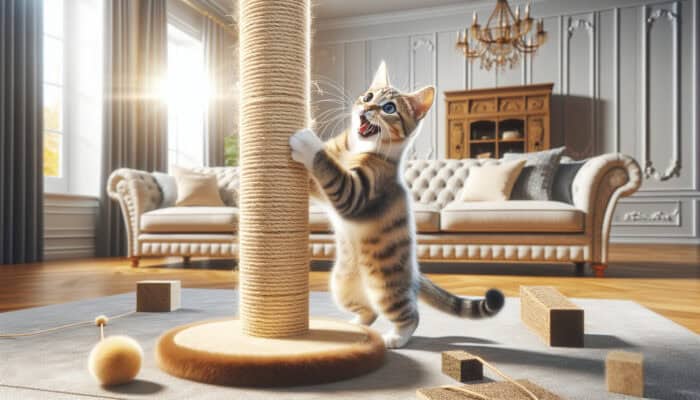
Providing scratching alternatives, such as scratching posts or pads, can significantly assist in redirecting feline behaviour. These alternatives cater to a cat’s natural instincts while simultaneously protecting furniture from damage. To successfully integrate these alternatives into your home environment:
- Position scratching posts close to the furniture that is being scratched.
- Select scratching posts that are stable and tall enough to allow your cat to stretch comfortably.
- Introduce a variety of materials, including sisal, cardboard, or carpet, to cater to your cat's preferences.
- Encourage your cat to use these alternatives through interactive play and rewarding experiences.
By employing these strategies, owners can create a positive and engaging environment that meets their cat’s needs while preserving the integrity of household items.
How to Create a Scratch-Free Living Space: Essential Strategies
Maintaining a scratch-free environment necessitates consistent upkeep and proactive strategies. Owners should consider using protective materials, such as slipcovers or furniture guards, to prevent damage. Additionally, implementing long-term preventive measures involves regularly assessing the condition of furniture and making necessary adjustments to the environment to minimise opportunities for scratching. By proactively managing these factors, you can foster a more peaceful relationship between your cat and your furnishings.
Understanding the Significance of Cat Behaviour
Understanding the motivations behind why cats scratch is fundamental to developing effective prevention strategies. This behaviour often stems from innate instincts and territorial needs. By accurately observing and interpreting these scratching behaviours, owners can tailor their approaches to ensure a harmonious home environment where both cats and furniture coexist peacefully without conflict.
How to Safely and Effectively Use Deterrents and Repellents
Utilising safe deterrents, such as double-sided tape or citrus-scented sprays, can greatly help in discouraging scratching on furniture. However, it is essential to apply these products correctly to prevent any unintended consequences. Combining deterrents with positive reinforcement strategies can yield optimal results, ensuring a humane approach that respects your cat's natural behaviours while effectively minimising unwanted scratching.
Expert Insights on Reducing Cat Scratching Behaviour
What Are the Most Effective Deterrent Strategies for Cats?
Proven deterrent strategies encompass a range of non-invasive options that effectively reduce scratching behaviour. Key advantages of these methods include:
- Double-sided tape creates an unpleasant texture that cats tend to avoid.
- Citrus sprays often work well since many cats dislike strong scents.
- Providing alternative scratching surfaces eliminates the necessity for cats to scratch furniture.
- Regularly rotating scratching posts keeps cats engaged and interested in using them.
Expert analysis indicates that understanding specific triggers for scratching behaviour can help tailor these methods, resulting in more successful interventions and a more harmonious living space.
Seeking Professional Help for Ongoing Scratching Issues
If scratching issues continue, consulting veterinary professionals or animal behaviourists can be immensely helpful. These specialists can provide tailored approaches based on the individual cat's behaviours and the surrounding environment. Owners should consider taking actionable steps such as scheduling consultations and diligently applying the recommended strategies to achieve lasting improvements in their cat's behaviour.
Incorporating Scratching Solutions into Daily Routines for Better Results
Blending scratching solutions into everyday life is crucial for achieving long-term success. For example, owners can integrate designated scratching times into their play routines to ensure their cat regularly engages with alternative surfaces. Real-world examples include scheduling play sessions around scratching posts to encourage interaction and reinforce positive behaviour. This approach not only benefits the cat but also strengthens the bond between the pet and its owner, fostering a more enjoyable relationship.
Scientific Evidence on the Importance of Reducing Cat Scratching
How Does Behaviour Modification Influence Scratching Habits?
Behaviour modification focuses on understanding the psychological factors that influence scratching in cats. Research indicates that reinforcing desirable behaviours while discouraging unwanted ones can effectively change a cat's scratching patterns. A structured approach that emphasises positive reinforcement leads to lasting changes, creating a happier environment for both the cat and its owner. This knowledge can pave the way for more effective management strategies that yield better outcomes.
Long-Term Benefits for Cat Owners and Their Homes
Reducing cat scratching presents significant long-term benefits for owners, including enhanced home harmony and an extended lifespan for furniture. Observations indicate that households providing suitable scratching outlets for their cats experience markedly less damage and reduced stress levels. Trusted strategies for maintaining this balance include regular monitoring and proactive training, which reinforce these benefits over time, ensuring a well-balanced living space.
Tracking Progress and Improvements in Scratching Behaviour
Monitoring improvements in scratching behaviour is essential for evaluating the effectiveness of implemented strategies. Owners can track changes by documenting the frequency and locations of scratching incidents. Maintaining a journal or log can provide valuable insights that inform future adjustments to training and environmental management, enabling continual improvement in addressing scratching behaviours.
Financial Benefits of Minimising Cat Scratching Damage
Research indicates that minimising cat scratching can lead to substantial cost savings on furniture and overall home maintenance. By employing effective behavioural tools and preventive measures, owners can significantly reduce repair and replacement costs. Long-term budgeting strategies may include investing in durable scratching surfaces and routinely assessing furniture conditions, thereby alleviating damage-related expenses.
What Are the Most Effective Strategies for Protecting Your Furniture?
Innovative Products Designed to Deter Cat Scratching
A variety of innovative products are available to effectively shield furniture from cat scratching. Examples include specialised furniture covers, dedicated scratching pads, and protective sprays formulated to deter cats. Many owners experience success with these products, particularly when used in conjunction with other behaviour modification techniques, ensuring both the safety of their cats and the integrity of their furniture.
Combining Multiple Techniques for Optimal Scratching Prevention
Integrating training with environmental modifications can yield superior results in preventing scratching behaviour. Customising strategies to accommodate each cat's unique behaviours and household dynamics enables a more comprehensive approach. Expert insights highlight the importance of adaptability, as different cats respond uniquely to various methods, making it crucial to find the right combination for your feline companion.
Investigating Potential Underlying Health Issues that May Cause Scratching
Sometimes, scratching may stem from underlying health concerns, such as allergies or anxiety. Cat owners must investigate any potential health-related causes of scratching behaviour. Actionable steps include consulting veterinarians, closely monitoring changes in behaviour, and evaluating the cat's overall health and well-being. Addressing these health factors can significantly enhance the management of scratching tendencies, leading to more effective outcomes.
Proven Strategies for the Ongoing Management of Scratching Behaviour
Fostering Lasting Scratching Habits in Your Cat for Better Outcomes
Establishing lasting scratching habits in cats involves creating routines that consistently reinforce positive behaviour over time. Owners should consistently reinforce good scratching habits and provide regular opportunities for engaging with appropriate surfaces. This proactive approach ensures that cats develop healthy scratching habits, ultimately benefiting both the cats and their owners by reducing damage and promoting a peaceful living environment.
Adapting Approaches to Suit Different Cat Personalities for Greater Effectiveness
Every cat has a unique personality, making it essential to tailor strategies that cater to these differences. Some cats may respond more favourably to specific types of scratching surfaces or training techniques. By emphasising variations in approaches, owners can create personalised plans that better address their feline companions' needs, leading to improved outcomes in managing scratching behaviour and enhancing the overall well-being of the pet.
Strategies for Preserving the Integrity of Your Furniture Against Scratching
To effectively protect furniture from damage, owners should implement ongoing maintenance strategies. Regularly inspect furniture for scratches and promptly address any issues to prevent further deterioration. Simple actions, such as rotating scratching posts and utilising protective covers, can significantly help maintain furniture condition while minimising scratching incidents, ensuring that both the furniture and the cat coexist harmoniously.
Implementing Regular Health Check-Ups for Your Cat to Prevent Scratching Issues
Routine veterinary check-ups and daily health monitoring are crucial for preventing issues that could contribute to scratching behaviour. Early detection of potential problems enables timely interventions. Practical advice includes keeping a health log, scheduling regular veterinary appointments, and tailoring care according to your cat's age and breed to promote longevity and overall well-being, which in turn reduces stress-related scratching behaviours.
Frequently Asked Questions About Cat Scratching Behaviour
Why do cats scratch furniture?
Cats scratch furniture primarily to mark their territory, maintain the health of their claws, and stretch their muscles. Understanding these natural behaviours enables owners to provide appropriate scratching outlets, minimising damage to household items and ensuring a balanced environment for both pets and owners.
How can I effectively prevent my cat from scratching the couch?
To deter your cat from scratching the couch, provide suitable alternatives, such as scratching posts, and utilise deterrents like double-sided tape. Reinforce positive behaviour by rewarding your cat when it engages with designated scratching areas, creating a more fulfilling experience for both you and your cat.
Are there effective and safe deterrents available for cat scratching?
Absolutely, safe deterrents for cat scratching include double-sided tape, citrus-scented sprays, and protective furniture covers. These options can help discourage scratching without causing harm or undue stress to your cat, promoting a peaceful coexistence between your feline and your furnishings.
How can I determine if my cat's scratching behaviour is excessive?
Excessive scratching is often indicated by visible damage to furniture or persistent scratching behaviours occurring in specific areas. Keeping a close eye on your cat's scratching habits can help you assess whether intervention is necessary, ensuring the well-being of both your cat and your home.
Should I train my cat to stop scratching furniture?
Yes, training your cat to redirect its scratching behaviour is beneficial. Use positive reinforcement to encourage appropriate scratching surfaces and discourage unwanted scratching on furniture, ultimately leading to a more harmonious living environment.
What types of scratching posts are most effective for cats?
The best scratching posts are tall, sturdy, and constructed from materials such as sisal or cardboard. Cats often prefer a variety of textures, so offering multiple options can enhance engagement and satisfaction, ensuring your cat has enjoyable alternatives to scratch.
How can I effectively monitor my cat's scratching behaviour?
To effectively monitor your cat's scratching behaviour, maintain a detailed journal that documents the frequency, location, and timing of scratching incidents. This information can help identify patterns and inform your approach to managing scratching behaviour, ultimately leading to better outcomes.
Can health issues contribute to excessive scratching in cats?
Yes, underlying health problems, such as allergies or anxiety, can lead to excessive scratching. If you notice sudden changes in your cat's scratching behaviour, it is advisable to consult a veterinarian to rule out health concerns and ensure your cat's comfort and well-being.
How frequently should I check my furniture for signs of damage?
It is advisable to check furniture for damage at least once a week to promptly identify any issues. Early detection allows for timely intervention, reducing the risk of further damage and preserving the integrity of your household items.
What are the long-term advantages of reducing scratching behaviour in cats?
Long-term benefits of reducing scratching behaviour include substantial cost savings on furniture repairs, enhanced household harmony, and improved overall well-being for your cat, resulting in a more peaceful living environment for everyone involved.
Connect with Us on Facebook for More Tips!
The Article Reducing Cat Scratching On Furniture: Effective Tips First Published On https://elgatoencasa.com
The Article Effective Tips for Reducing Cat Scratching on Furniture Was Found On https://limitsofstrategy.com