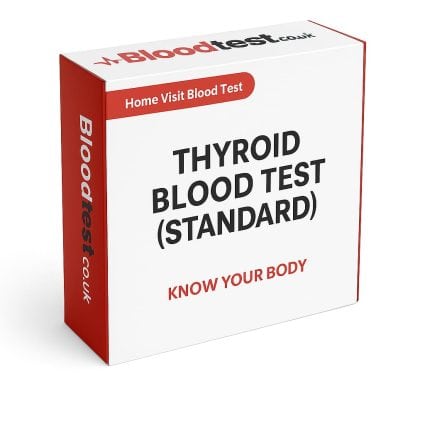
Critical Insights on Thyroid Blood Tests
What is the Main Function of a Thyroid Blood Test?
Private Thyroid Blood Testing Services in Uppingham: A thyroid blood test performed in Uppingham is a vital diagnostic procedure that evaluates the levels of thyroid hormones circulating in your bloodstream. This assessment delivers essential insights into thyroid function and overall health. By meticulously analysing these hormone levels, healthcare professionals can accurately identify various thyroid disorders, allowing for timely intervention and effective management approaches.

The prevalent types of thyroid tests include:
- Thyroid-Stimulating Hormone (TSH) Test
- Free Thyroxine (FT4) Test
- Free Triiodothyronine (FT3) Test
- Thyroid Antibodies Test
- Thyroid Uptake Test
- Thyroid Scan
- Reverse T3 Test
These tests are crucial for detecting various disorders such as hypothyroidism, hyperthyroidism, and Hashimoto’s thyroiditis. Regular testing is essential for early identification and effective management of thyroid-related issues, which can significantly improve health outcomes for those at risk.
Why is Regular Thyroid Testing Crucial?
Engaging in ongoing thyroid testing is vital for individuals diagnosed with a thyroid condition or those potentially at risk. Continuous monitoring of thyroid hormone levels is necessary for optimising health and preventing complications associated with thyroid disorders. The primary advantages of regular testing include:
- Early detection of possible thyroid complications
- Effective treatment management of existing thyroid disorders
- Essential adjustments to medication dosages
- Enhanced overall health and well-being
Establishing a consistent testing routine can greatly elevate quality of life while significantly reducing the likelihood of severe complications. This proactive health strategy empowers individuals to take charge of their well-being.
What Symptoms Might Indicate Thyroid Issues?
Recognising the symptoms of thyroid issues early can lead to timely and effective treatment interventions. Common signs to be aware of include:
- Fatigue or persistent weakness
- Noticeable weight changes (either gain or loss)
- Emotional fluctuations, such as mood swings or depression
- Hair loss or thinning hair
- Cold sensitivity or intolerance
- Heat sensitivity or excessive perspiration
- Irregular menstrual cycles
By being attuned to these symptoms, individuals can seek appropriate medical advice sooner, ultimately fostering better health outcomes and an enhanced quality of life.
How Should You Prepare for Your Thyroid Blood Test?
Proper preparation is essential for ensuring the accuracy of your thyroid blood test results. Suggested recommendations may include fasting for a specified duration or avoiding certain medications prior to the test. It is imperative to consult your healthcare provider for personalised instructions tailored to your unique situation. Key preparations to contemplate include:
- Refraining from taking biotin supplements for at least 48 hours before the test
- Abstaining from food intake for 8–12 hours prior to the test if recommended
- Informing your doctor about any medications you are currently taking
- Staying hydrated by drinking water leading up to the test
Following these preparation guidelines ensures the most accurate results, allowing for precise diagnosis and effective treatment planning.
How Can You Understand Your Thyroid Test Results?
Grasping the results of thyroid tests is essential for managing your health effectively. Test results typically indicate TSH, T3, and T4 values. Each of these values falls within a standard range, and deviations from these norms may suggest potential health issues. Consulting with a healthcare professional to accurately interpret these results is crucial, as they can provide valuable context and guidance tailored to your individual health conditions. Normal ranges for these hormone levels generally include:
- TSH: 0.4 to 4.0 mIU/L
- Free T4: 0.8 to 1.8 ng/dL
- Free T3: 2.3 to 4.2 pg/mL
Abnormal results may indicate hypothyroidism, hyperthyroidism, or other thyroid-related conditions that necessitate further evaluation and management.
Insights from Local Specialists on Thyroid Blood Testing in Uppingham
What Recommendations do Local Healthcare Professionals Make?
Healthcare providers in Uppingham strongly endorse the significance of thyroid testing as a fundamental component of preventative healthcare. They advocate for routine screenings, particularly for individuals presenting symptoms or possessing a family history of thyroid disorders. Real-world examples reveal how early identification through testing has enabled successful management of conditions such as hypothyroidism and hyperthyroidism. Experts frequently share success stories of patients who, upon receiving timely treatment, have markedly improved their quality of life. Such insights highlight the critical role thyroid testing plays within the community, fostering a culture of health awareness and proactive care.
How Often Should You Undergo Testing?
The recommended frequency of thyroid tests can differ based on individual health conditions, age, and risk factors. Generally, individuals diagnosed with a thyroid disorder should have their levels checked at least once a year. However, those experiencing new symptoms or changes in health may require more frequent evaluations. Actionable steps to consider encompass:
- Consulting with your healthcare provider to establish a personalised testing schedule.
- Requesting tests if you observe any new or worsening symptoms.
- Modifying testing frequency based on changes in medication or overall health status.
- Staying informed about family history and its implications for thyroid health.
By undertaking these proactive measures, individuals can stay vigilant regarding their thyroid health and overall well-being.
Where Can You Access Thyroid Testing in Uppingham?
Uppingham boasts several reputable medical facilities offering access to thyroid blood testing. These include local NHS hospitals, private clinics, and select pharmacies that provide testing services. When choosing the right facility, consider factors such as:
- Proximity to your location
- Qualifications and reputation of the medical staff
- Availability of appointments and testing options
- Insurance and payment alternatives
Expert analysis suggests that selecting facilities with comprehensive thyroid care services can facilitate ongoing management and monitoring of thyroid health, ensuring that patients receive optimal care.
Crucial Preparations for Your Thyroid Blood Test
What Steps Should You Take Prior to the Test?
Proper preparation is essential for ensuring accurate test results, and specific actions should be taken beforehand. Essential preparations comprise:
- Consulting your healthcare provider for tailored instructions based on your health status
- Avoiding biotin supplements for a minimum of 48 hours before the test
- Fasting for 8–12 hours is often advisable
- Staying hydrated by drinking water unless otherwise directed
These preparations can significantly enhance the reliability of your thyroid blood test results, enabling healthcare professionals to make informed decisions and improve health outcomes.
What Can You Anticipate During the Test?
The process for a thyroid blood test is generally straightforward and minimally invasive. During the test, a healthcare professional will:
1. Clean the area on your arm where the blood will be drawn.
2. Insert a needle into a vein to collect a blood sample.
3. Apply a bandage to the site after the blood is drawn.
The entire procedure typically takes just a few minutes. While some individuals may experience slight discomfort or bruising, most find the experience to be manageable. Familiarising yourself with this process can significantly alleviate any anxiety associated with the test.
How Long Will It Take to Receive Your Results?
The turnaround time for thyroid blood test results can vary depending on the facility and specific tests ordered. Typically, results may take anywhere from 24 hours to a week to become available. To expedite the process, individuals can:
- Request express testing options if available
- Follow up with the facility after the test
- Ensure all necessary information and paperwork are completed prior to testing
- Utilise online patient portals where results may be posted
Being proactive can greatly assist patients in accessing their results promptly, facilitating quicker discussions about treatment options if necessary.
Understanding Your Thyroid Blood Test Results
What Do Your Results Reveal?
Understanding the values of TSH, T3, and T4 is crucial for accurately interpreting your thyroid health. TSH levels reflect the performance of the thyroid gland, while T3 and T4 serve as the primary hormones produced by the thyroid. Normal ranges for these hormones are generally:
- TSH: 0.4 to 4.0 mIU/L
- Free T4: 0.8 to 1.8 ng/dL
- Free T3: 2.3 to 4.2 pg/mL
Values outside these ranges may suggest conditions such as hypothyroidism or hyperthyroidism, necessitating further evaluation and thorough discussions with a healthcare professional to formulate an appropriate management strategy.
When Should You Consult a Healthcare Professional?
If your thyroid test results indicate abnormal function, it is crucial to consult a healthcare provider promptly. Signs that may require further evaluation include:
- Persistently elevated or low TSH levels
- New or worsening symptoms related to thyroid function
- Changes in weight or energy levels without a clear cause
- Family history of thyroid disease
Timely consultation can facilitate appropriate management, reduce the risk of complications from untreated thyroid disorders, and maintain overall health.
How Can You Effectively Manage Thyroid Conditions?
Managing thyroid conditions typically requires a multifaceted approach that includes medication, lifestyle modifications, and regular monitoring. Effective management strategies can involve:
- Adhering to prescribed medication regimens to regulate hormone levels
- Incorporating a balanced diet rich in micronutrients that support thyroid health
- Engaging in regular physical activity to maintain overall wellness
- Scheduling routine follow-up appointments to monitor thyroid function
Implementing these strategies can greatly enhance quality of life, enabling individuals with thyroid conditions to lead healthy, balanced lives and thrive.
Understanding the Costs of Thyroid Blood Testing in Uppingham
What Are the Associated Expenses?
The price of a thyroid blood test in Uppingham can vary considerably based on the facility and whether you choose private or NHS services. Typically, NHS tests may be covered by healthcare plans, while private tests can range from £40 to £150 or more, depending on the complexity of the tests conducted. Factors influencing the cost encompass:
- Type of tests required
- Reputation and location of the facility
- Additional services or consultations included
- Insurance coverage and policies
Understanding these cost variables equips patients to make informed choices regarding where and how to undergo testing, ensuring they receive appropriate care at a reasonable price.
Are Affordable Testing Options Available?
Accessing cost-effective thyroid testing in Uppingham is feasible through various avenues. Options include NHS services that offer testing at no cost to eligible patients, as well as private clinics that may offer special promotions or package deals. Cost-saving strategies may involve:
- Utilising NHS facilities for free or low-cost testing
- Seeking private clinics that provide seasonal discounts
- Consulting your doctor for recommendations on economical testing options
- Inquiring about laboratory price comparisons
These strategies can significantly alleviate the financial burden of thyroid testing, enabling individuals to prioritise their health without incurring high costs.
Does Insurance Cover Thyroid Blood Tests?
Some health insurance plans may provide coverage for thyroid blood tests; however, coverage varies widely by policy. To confirm your coverage, consider:
- Reviewing your insurance policy documentation regarding laboratory services
- Contacting your insurance provider for specific inquiries
- Asking your healthcare provider about potential coverage options
- Seeking in-network providers to minimise out-of-pocket expenses
Understanding your insurance coverage can help mitigate unexpected costs and ensure access to essential healthcare services, allowing for timely diagnosis and treatment.
Where Can You Access Testing in Uppingham?
Residents can conveniently access thyroid blood tests at various locations throughout Uppingham, including:
- Local NHS facilities that provide comprehensive health services
- Private clinics specialising in thyroid health management
- Pharmacies offering blood testing services
- Laboratories that provide direct-to-consumer testing options
Exploring these options can assist individuals in locating reliable and accessible testing services that cater to their needs, ensuring they receive the best possible care.
How Should You Prepare for Your Thyroid Blood Test?
Preparation for a thyroid blood test typically involves several straightforward steps to ensure accurate results. Key actions include:
- Following specific fasting requirements as directed by your healthcare provider
- Avoiding biotin supplements or certain medications prior to the test
- Staying hydrated by drinking water unless otherwise instructed
- Arriving at the testing facility with all necessary paperwork and identification
Adhering to these preparation guidelines is vital, as they can significantly impact test accuracy, ensuring optimal health management and care.
Research-Backed Benefits of Thyroid Blood Testing in Uppingham
What Insights Do Current Studies Provide?
Recent research highlights the numerous advantages of regular thyroid testing for effective health management. Studies indicate that early detection through blood tests can lead to improved management of thyroid conditions, significantly reducing the risk of serious complications. Real-world examples demonstrate that patients who regularly participate in testing are more likely to maintain stable hormone levels and encounter fewer health issues related to thyroid dysfunction. Such findings emphasise the importance of adopting a proactive approach to health management to achieve better outcomes for individuals.
How Can Testing Enhance Overall Health?
Regular thyroid testing facilitates early detection and improved management of thyroid conditions, ultimately enhancing overall health and well-being. Individuals who commit to routine screenings can enjoy various benefits, including:
- Timely interventions that prevent the progression of thyroid disorders
- Improved monitoring of treatment efficacy and necessary dosage adjustments
- Increased awareness of personal health changes and symptoms
- Access to support and resources for implementing lifestyle modifications
These actions collectively contribute to better thyroid health and enhance quality of life, empowering individuals to take charge of their health.
What Are the Long-Term Advantages of Regular Testing?
The long-term benefits of thyroid testing include improved symptom management and a decreased risk of severe thyroid conditions. Ongoing monitoring allows for:
- Continuous evaluation of thyroid function over time
- Proactive adjustments to treatment plans as necessary
- Enhanced collaboration with healthcare providers
- Informed decision-making regarding lifestyle interventions
Establishing a long-term strategy for thyroid health through regular testing can empower individuals to take control of their well-being while minimising the risks associated with thyroid disorders.
The Interplay Between Thyroid Blood Tests and Lifestyle in Uppingham
How Does Nutrition Influence Thyroid Health?
Diet plays a critical role in thyroid function, with certain foods either supporting or hindering thyroid health. Incorporating nutrient-dense foods can promote optimal thyroid function. Foods beneficial for thyroid health include:
- Seafood, such as fish and shellfish, which are rich in omega-3 fatty acids
- Nuts and seeds that provide essential selenium and zinc
- Leafy greens and cruciferous vegetables that help maintain hormonal balance
- Whole grains that offer vital nutrients and fibre
Conversely, certain foods may disrupt thyroid function, such as goitrogens (like soy) when consumed excessively. Maintaining a well-balanced diet is essential for optimal thyroid health and overall well-being.
Can Regular Exercise Affect Thyroid Levels?
Engaging in regular physical activity can positively influence thyroid hormone levels and overall thyroid function. Establishing a consistent exercise routine can benefit thyroid health by:
- Boosting metabolic rate and increasing energy levels
- Elevating mood and reducing stress levels
- Aiding in weight management, which can enhance thyroid function
- Improving cardiovascular health, contributing to overall wellness
Incorporating a balanced mix of aerobic exercises, strength training, and flexibility exercises into your routine can help maintain optimal thyroid health and enhance your quality of life.
What Impact Does Stress Have on Thyroid Function?
Stress can significantly influence thyroid function, making stress management an essential aspect of overall thyroid health. Chronic stress may lead to hormonal imbalances that exacerbate thyroid disorders. Effective stress management techniques include:
- Practising mindfulness and meditation
- Participating in regular physical activity
- Establishing a healthy sleep routine
- Maintaining social connections and support networks
By implementing these strategies, individuals can reduce stress, improve thyroid function, and ultimately lead a balanced and fulfilling life.
Common Thyroid Disorders Affecting Uppingham Residents
What is Hypothyroidism and Its Consequences?
Hypothyroidism is a condition characterised by the insufficient production of thyroid hormones, leading to various symptoms that can significantly affect daily life. Common symptoms include fatigue, weight gain, and heightened sensitivity to cold temperatures. Treatment options for hypothyroidism primarily involve:
- Levothyroxine medication to replace missing hormones
- Regular monitoring of TSH levels to adjust medication dosages
- Lifestyle changes to support overall health
- Patient education on effective symptom management
With appropriate treatment, individuals can effectively manage their symptoms, leading to improved well-being and enhanced quality of life.
What is Hyperthyroidism and What Are Its Treatment Options?
Hyperthyroidism is a condition marked by the excessive production of thyroid hormones, potentially leading to a range of health complications. Symptoms can vary from weight loss and rapid heartbeat to anxiety and tremors. Recognising the signs of hyperthyroidism is crucial for timely medical intervention. Treatment approaches may include:
- Antithyroid medications to decrease hormone production
- Radioactive iodine therapy to reduce the size of the thyroid gland
- Surgery in severe cases to remove part or all of the thyroid gland
- Regular monitoring of hormone levels and symptoms
With effective management, individuals can take control of their symptoms and improve their overall quality of life.
What is Thyroiditis and Its Implications?
Thyroiditis refers to the inflammation of the thyroid gland, which can cause temporary changes in thyroid function. The causes of thyroiditis can vary, including autoimmune conditions or infections. Diagnosis typically involves blood tests and imaging studies. Treatment options may encompass:
- Anti-inflammatory medications to reduce inflammation
- Monitoring thyroid hormone levels for fluctuations
- Treating any underlying infections if present
- Lifestyle modifications to support thyroid health
With appropriate medical intervention, most individuals can successfully manage thyroiditis and its associated symptoms, ultimately returning to optimal health.
Community Support for Thyroid Health in Uppingham
Are There Local Support Networks Available?
Uppingham features several support groups focused on individuals managing thyroid conditions. These groups provide a valuable sense of community along with access to essential resources. To find and join these groups, interested individuals can:
- Contact local health services or hospitals for recommendations
- Search online platforms and social media for local thyroid support communities
- Participate in health fairs or community events centred around thyroid health
- Request information from healthcare providers regarding local initiatives
Engaging with these groups provides emotional support and practical strategies for navigating the challenges associated with thyroid conditions.
What Resources Are Available for Thyroid Health?
A variety of resources are accessible to support thyroid health in Uppingham, including online materials and local health services. Valuable resources encompass:
- National thyroid health organisations providing educational materials
- Local health clinics offering screenings and informative resources
- Online forums for sharing experiences and advice
- Workshops and seminars focused on thyroid health topics
Utilising these resources can empower individuals to take charge of their thyroid health, enhancing their overall well-being and quality of life.
How Can the Community Promote Thyroid Health Awareness?
The Uppingham community can significantly assist individuals with thyroid conditions by raising awareness and advocating for better health practices. Initiatives that the community can undertake include:
- Organising health awareness campaigns focused on thyroid disorders
- Hosting educational events to inform the public about thyroid health
- Encouraging local businesses to support health initiatives
- Creating platforms for individuals to share their stories and experiences
By fostering a supportive environment, the community can help individuals navigate the complexities of living with thyroid conditions, ultimately improving their quality of life and health outcomes.
Frequently Asked Questions Regarding Thyroid Blood Testing
What is a thyroid blood test?
A thyroid blood test is a diagnostic procedure that measures levels of thyroid hormones to aid in diagnosing various thyroid disorders.
How often should I undergo a thyroid blood test?
Typically, individuals diagnosed with thyroid disorders should undergo testing annually; however, the frequency may vary based on symptom severity and overall health status.
What symptoms indicate a thyroid problem?
Symptoms such as fatigue, weight changes, and emotional fluctuations may suggest a thyroid issue and warrant further testing for diagnosis.
How do I prepare for a thyroid blood test?
Preparation may include fasting, avoiding certain medications, and consulting your healthcare provider for tailored instructions specific to your health.
How long will it take to receive test results?
Results typically take anywhere from 24 hours to a week, depending on the facility and the specific tests ordered.
What do abnormal thyroid test results signify?
Abnormal results may indicate thyroid dysfunction, such as hypothyroidism or hyperthyroidism, necessitating further evaluation and management.
What lifestyle changes can support thyroid health?
Maintaining a balanced diet, participating in regular exercise, and practising effective stress management can positively impact thyroid health and overall well-being.
What is the cost of a thyroid blood test in Uppingham?
Costs can range from £40 to £150, depending on the facility and whether services are provided through the NHS or privately.
Does insurance cover thyroid blood tests?
Coverage varies by policy; it is advisable to check your plan for specific details on laboratory services and testing.
Where can I access testing in Uppingham?
Thyroid blood tests can be performed at various local NHS facilities, private clinics, and some pharmacies in Uppingham, ensuring accessible options for residents.

Connect with us on Facebook!
This Article Was First Found On https://bloodtest.co.uk
The Article Thyroid Blood Test: Local Insights in Uppingham Was Found On https://limitsofstrategy.com