Understanding the Crucial Role of First Aid Kits in Pet Health Management
Why Every Devoted Pet Parent Needs a First Aid Kit
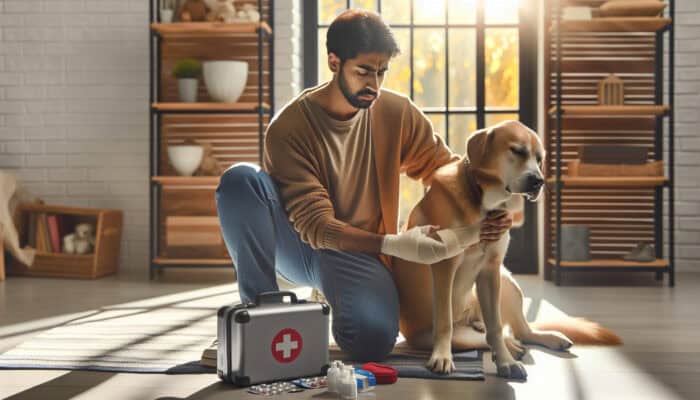
Every devoted pet parent must understand that first aid kits for pets are indispensable resources that protect the health and safety of their cherished animals. Emergencies can occur at any moment, whether from an unexpected injury during playtime or a sudden allergic reaction to food. By maintaining a well-stocked first aid kit, pet owners can deliver immediate care, effectively stabilising their pets and preventing situations from escalating into severe health crises. This level of preparedness prioritises the safety and well-being of the pet while simultaneously providing peace of mind to the owner, knowing they are equipped to manage unforeseen challenges with confidence.
Identifying Common Emergencies That Pet Owners Should Prepare For
Pet owners must be ready to tackle a variety of common emergencies that can strike without warning. Incidents such as cuts, bites, and allergic reactions frequently arise and can lead to significant health complications if not addressed promptly. An adequately equipped first aid kit can be the critical difference between a minor incident and a life-threatening health crisis. By anticipating these potential emergencies and preparing proactively, pet owners can alleviate stress during crises and greatly enhance their pets' chances of a swift and effective recovery, ensuring their furry companions remain healthy and content.
Best Practices for Storing Your Pet First Aid Kit for Maximum Readiness
Proper storage of a pet first aid kit is vital to ensure that all items remain effective and accessible when they are needed most. It is essential to keep the kit in a cool, dry location, away from direct sunlight and extreme temperature fluctuations that could jeopardise its contents. Additionally, the kit should be situated in a spot that is easily reachable, allowing pet owners to grab it quickly during emergencies. By adhering to these vital storage guidelines, the usability and reliability of the first aid kit are enhanced, guaranteeing it is always ready to fulfil its purpose at a moment’s notice.
Key Components to Include in Your Pet First Aid Kit for Comprehensive Care
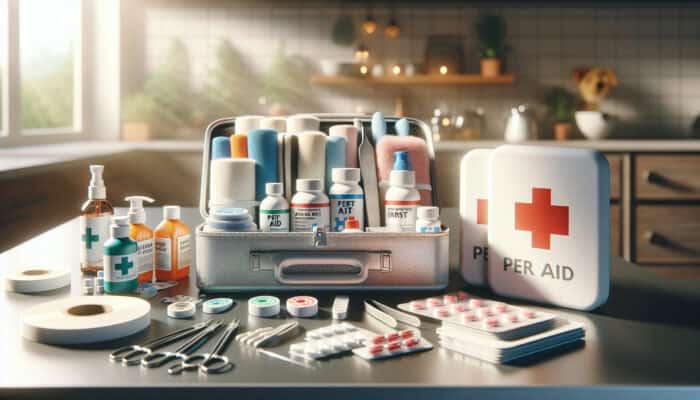
A comprehensive first aid kit for pet owners must include an array of critical items that empower swift responses to injuries or health concerns. Essential components should encompass bandages, antiseptics, tweezers, gloves, and pet-specific medications. Each of these items is crucial for addressing various injuries and health issues and plays a significant role in enhancing pet safety. By assembling a thoroughly stocked kit, owners can approach unexpected events with confidence, knowing they possess the necessary tools to manage potential emergencies effectively.
Fundamental First Aid Techniques That Every Pet Owner Should Master
Acquiring basic first aid techniques can greatly improve a pet owner's ability to respond effectively in emergencies. Essential skills include wound cleaning, performing CPR for pets, and recognising symptoms of shock. Mastering these techniques empowers pet owners to stabilise their pets while awaiting professional medical assistance. For example, understanding how to properly clean a wound can help prevent infections, while knowledge of CPR can be lifesaving in critical situations. With this foundational expertise, pet owners can act promptly and decisively, potentially saving their pets' lives and reducing panic during emergencies.
Essential Steps to Assemble a Thorough Pet First Aid Kit
What Fundamental Supplies Should Be Included in Your Kit?
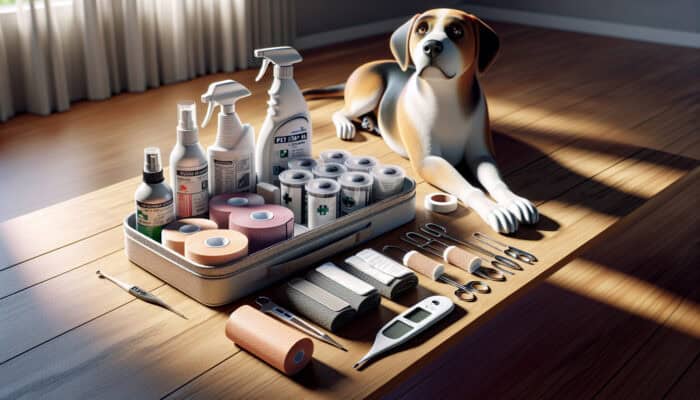
Creating a first aid kit for pets involves gathering several essential supplies that are crucial for effective care. Key items include bandages, antiseptics, and adhesive tape, which collectively facilitate the treatment of minor wounds and injuries. Moreover, incorporating gauze for absorbing blood or other fluids, along with a thermometer for monitoring your pet's temperature, is critically important. By assembling these fundamental components, pet owners can create a well-rounded kit that effectively addresses a variety of potential injuries or illnesses, ensuring they are well-equipped for any situation that may arise.
Where Can You Source High-Quality Materials for Your First Aid Kit?
Gathering materials for a pet first aid kit necessitates careful consideration to ensure quality and safety. Trusted pet supply outlets, veterinary clinics, and reputable online retailers serve as excellent sources for acquiring high-quality items. Opting for products from reliable brands ensures that the components are both effective and safe for use on pets. When constructing a kit, prioritising items that meet industry standards is crucial, as this enhances the kit's reliability and guarantees that each component is suitable for emergency situations.
Why Is It Crucial to Tailor Your First Aid Kit to Your Pet's Unique Needs?
Customisation is vital when assembling a first aid kit specifically designed for various types of pets. Different animals may encounter unique health challenges or require specific items for effective care. For instance, a kit designed for a dog might need larger bandages, whereas a kit for a rabbit may necessitate specialised items like a heat pack. By considering the particular needs and health vulnerabilities of different pets, owners can enhance their preparedness and ensure they have the right tools at hand to effectively address specific health challenges.
Expert Recommendations to Enhance Your Pet First Aid Kit
What Professional Insights Can Enhance Your Kit's Effectiveness?
Expert advice can significantly boost the functionality of a pet first aid kit. One practical suggestion is to include emergency contacts, such as the veterinarian's phone number and a list of local animal emergency clinics. Real-life experiences highlight that having this essential information readily accessible can save precious time during emergencies. Additionally, professionals recommend including a pet first aid manual to guide owners on how to effectively use the kit’s contents. This combination of preparation and knowledge can lead to more favourable outcomes in critical situations.
How Can Professionals Suggest Organising Your First Aid Kit for Optimal Efficiency?
Organising a first aid kit based on expert recommendations can greatly enhance its usability during emergencies. Professionals advocate for categorising items within the kit by type, such as wound care, medications, and preventive measures. Utilising clear, labelled containers or zip-lock bags can facilitate quick access to necessary items during a crisis. Ensuring everything is arranged logically allows pet owners to locate what they need promptly, which is essential in high-pressure scenarios where time is of the essence.
What Key Features Do Specialists Advise for First Aid Kits?
Selecting durable and high-quality components is essential for pet first aid kits, as emphasised by specialists. Important features to consider include waterproof containers that protect the contents from moisture and robust materials that can withstand the rigours of an emergency. Furthermore, items such as non-latex gloves and sterile bandages should meet professional standards to ensure safety. By adhering to these expert-backed recommendations, pet owners can create a resilient first aid kit that aligns with best practices in emergency pet care.
What Must-Have Items Should Be In Your First Aid Kit?
How to Select the Right Medications for Your Pet's First Aid Kit?
Choosing appropriate medications for a pet first aid kit is crucial for ensuring effective treatment. Factors such as pet size and prevalent health issues must be considered. For instance, smaller dogs may require different dosages compared to larger breeds, and certain medications might be more effective for specific breed predispositions to health conditions. Consulting a veterinarian can provide invaluable insights into the most suitable medications to include, ensuring the kit effectively addresses potential health problems safely and efficiently.
What Essential Tools Should Be in Your Kit for Effective Injury Management?
A well-equipped pet first aid kit should contain specific tools that are indispensable for managing injuries effectively. Essential items include:
- Tweezers for removing splinters or ticks
- Gauze pads for dressing wounds
- Adhesive tape for securing bandages
- Scissors for cutting tape or gauze
- Thermometer for checking body temperature
- Instant cold packs for reducing swelling
These tools provide the means to clean and protect injuries until professional assistance is available, ensuring pet owners are well-prepared to handle various situations effectively.
Why Including Preventive Items in Your Kit Is Essential for Pet Wellness?
Incorporating preventive items into a pet first aid kit acts as a proactive measure to maintain pet health. Items such as tick removers and flea treatments can help avert potential health problems before they arise. By proactively addressing these common issues, owners can enhance their pets' overall wellness and reduce the likelihood of emergencies. Thus, the first aid kit transforms into a proactive tool, empowering pet owners to maintain their pets’ health on a daily basis.
Research-Backed Advantages of First Aid Kits for Pet Owners
What Research Supports the Significance of First Aid Kits?
Studies indicate that having a first aid kit readily accessible can significantly decrease response times to pet injuries, leading to improved recovery rates. A well-stocked kit enables pet owners to take immediate action, which is critical during emergencies. For optimal effectiveness, owners should routinely check their kits to ensure all items remain current and functional. This proactive approach allows owners to act confidently and swiftly during critical incidents, ultimately benefiting their pets' health.
How Do First Aid Kits Enhance Pet Safety?
Research reveals that well-equipped first aid kits enhance pet safety by minimising risks during incidents. With the right tools readily available, pet owners feel empowered to manage emergencies effectively, thereby reducing the likelihood of complications. Studies demonstrate that quick access to essential supplies correlates with better outcomes in emergency situations, reinforcing the importance of preparedness. Moreover, the confidence gained from being ready can alleviate anxiety for both pets and owners during stressful episodes, contributing to overall well-being.
What Benefits Do Customised First Aid Kits Provide for Different Types of Pets?
Evidence suggests that tailored first aid kits can significantly improve outcomes for various types of pets. For example, dogs, cats, and smaller animals like rabbits may face distinct health challenges that require specific solutions. A customised kit ensures that the necessary tools and medications are readily available, effectively aligning with the unique care requirements of different pets. This level of preparedness not only enhances pet safety but also boosts owner confidence in effectively managing health issues.
What Financial Benefits Do First Aid Kits Offer for Pet Owners?
Research shows that having first aid kits can lead to substantial cost savings for pet owners. By enabling immediate care for minor injuries and ailments, owners can reduce the need for professional veterinary services that might otherwise be required. This swift action can mitigate expenses and prevent minor issues from escalating into costly emergencies. To budget efficiently, pet owners can weigh the initial investment in a first aid kit against potential savings from fewer veterinary visits, making it a wise financial choice.
How Do First Aid Kits Support Long-Term Health for Pets?
Consistent use of first aid kits promotes better long-term health outcomes for pets. By promptly addressing minor health concerns, owners can prevent these issues from developing into severe conditions that could endanger their pets’ lives. Research indicates that a proactive approach to pet health, which includes the use of first aid kits, enhances pet longevity and quality of life. To maintain this healthy trajectory, owners should routinely update their kits based on their pets' evolving health needs and conditions.
Recognising the Right Moments to Utilise Your First Aid Kit
What Signs Indicate a Pet Emergency?
Recognising when to activate a pet first aid kit is vital for timely intervention. Signs such as excessive bleeding, difficulty breathing, or unresponsiveness require immediate action. In these situations, utilising the kit can help stabilise the pet while waiting for professional care. Recognising these critical symptoms empowers pet owners to respond effectively and urgently, potentially saving their pet's life by acting swiftly.
How to Respond Effectively in Minor Situations?
For minor issues like scratches or small cuts, the first aid kit provides essential tools for quick at-home treatment. Using antiseptics to cleanse the wound and applying appropriate bandages can help prevent infections and promote faster healing. By addressing these minor injuries promptly, pet owners can avoid complications and ensure their pets recover quickly. This proactive response not only aids healing but also reinforces the owner's critical role in their pet's overall health management, fostering a stronger bond.
Why Is Swift Action Crucial During Emergencies?
In emergencies, timing can greatly influence pet health outcomes. Acting promptly with the appropriate items from the kit can stabilise a pet and prevent conditions from worsening. Delays in treatment often exacerbate injuries and lead to more severe health complications that require extensive veterinary intervention. Pet owners must grasp the urgency of rapid action and effectively utilise their first aid kits to ensure the best possible outcome for their pets when emergencies arise.
Essential Maintenance and Regular Updates for Your First Aid Kit
What Routine Inspections Are Necessary for Your Kit?
Performing regular inspections of a pet first aid kit is essential to ensure that all items are in good condition and have not expired. Routine checks should involve assessing the contents for damage or missing items, as well as verifying expiration dates on medications. To maintain thoroughness, pet owners should adhere to these critical maintenance steps:
- Inspect all bandages and dressings for integrity
- Check medications for expiration dates
- Immediately replace any used items
- Update emergency contact information
- Seasonally review the kit's contents to adapt to changing needs
By remaining vigilant about maintenance, pet owners can ensure their kits are always prepared for emergencies, providing a reliable resource when it matters most.
How to Refresh Your Supplies Based on Seasonal Needs?
Conducting seasonal updates of a first aid kit keeps it effective throughout the year. Different seasons present unique risks, such as increased insect activity during summer months or cold-related issues in winter, making it essential to refresh supplies according to these seasonal changes. Pet owners should evaluate any new risks that could impact their pets and ensure the kit includes items to address those specific concerns. This proactive strategy helps maintain safety and readiness under all conditions, keeping pets healthy and safe throughout the year.
Why Is Ongoing Training on First Aid Techniques Important?
Engaging in regular training on how to use the components of a first aid kit is vital for building owner confidence and ensuring proper usage during actual emergencies. Continuous practice helps pet owners feel prepared to act swiftly and effectively when needed. Recommended training tips include:
- Practising wound cleaning techniques
- Conducting mock emergency scenarios
- Reviewing CPR techniques for pets
- Updating knowledge regarding recognising symptoms of shock
- Encouraging family members to learn pet first aid
This commitment to ongoing training enhances overall pet care skills, ensuring that owners are ready and capable when emergencies arise, thus fostering a safe environment for their pets.
Frequently Asked Questions About Pet First Aid
What Essential Items Should I Include in a Pet First Aid Kit?
A comprehensive pet first aid kit should include bandages, antiseptics, gauze, tweezers, scissors, gloves, a thermometer, and any medications specific to your pet's needs. Customising the kit to your pet's unique requirements is also crucial for effective care.
How Frequently Should I Inspect My Pet First Aid Kit?
It is advisable to check your pet first aid kit at least once a month. Regular inspections ensure that all items are intact, functional, and not expired, maintaining the kit's preparedness for emergencies.
Can I Use Human Medications on My Pets?
Many human medications can be harmful to pets. Always consult with a veterinarian before using any medications not specifically formulated for animals to ensure safety and effectiveness of treatment.
How Can I Teach My Children About Pet First Aid?
Teach your children about pet first aid by involving them in the kit inspection process, demonstrating basic techniques, and discussing the importance of quick action during emergencies. Engaging activities can reinforce their understanding and preparedness, making them more confident in handling pet emergencies.
What Are the Most Common Pet Emergencies Pet Owners Encounter?
The most frequent pet emergencies include cuts and wounds from accidents, allergic reactions to food or insects, and gastrointestinal distress. Being prepared for these situations is essential for every responsible pet owner, ensuring timely intervention.
Are There Online Resources Available for Pet First Aid Training?
Yes, numerous online resources such as courses offered by veterinary associations and pet care organisations provide comprehensive training in pet first aid techniques, equipping owners with the knowledge necessary to respond effectively during emergencies.
Should I Enrol in a Pet First Aid Course?
Taking a pet first aid course is highly beneficial. It equips you with essential knowledge and hands-on skills, enhancing your ability to respond appropriately during emergencies and ultimately improving your pet's overall well-being.
What Signs Indicate My Pet Requires Immediate Medical Attention?
Signs that your pet needs immediate medical attention include excessive bleeding, difficulty breathing, seizures, severe vomiting, or unresponsiveness. Prompt action can potentially save your pet's life, highlighting the importance of being vigilant.
How Can I Prevent Emergencies from Occurring with My Pet?
Preventing emergencies involves regular veterinary check-ups, monitoring your pet’s environment, providing safe toys, and ensuring proper training. Proactive care significantly reduces the likelihood of accidents and health crises, promoting a safer, healthier pet.
What Steps Should I Take If My Pet Is Injured?
If your pet sustains an injury, first assess the severity of the situation. For serious injuries, utilise your first aid kit to stabilise the condition and seek immediate veterinary assistance. Remaining calm and acting swiftly can help minimise distress for your pet, ensuring they receive the help they need.
Connect With Us on Facebook for More Tips!
The Article First Aid Kits for Pet Owners: Key Items to Have First Published On https://elgatoencasa.com
The Article Pet Owners’ First Aid Kits: Essential Items to Include Was Found On https://limitsofstrategy.com