Explore the Comprehensive FBC Test in Coventry
What is the FBC Test and Why is it Essential?
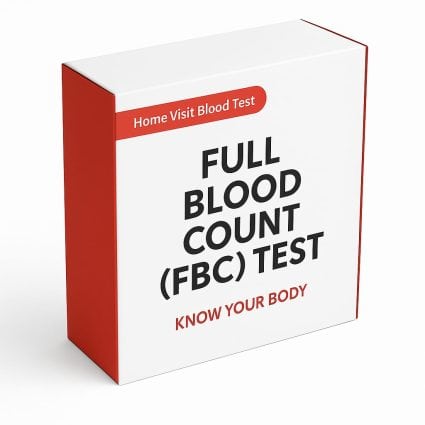
Private FBC Test in Coventry: The FBC test, or Full Blood Count test, serves as a vital blood analysis tool for diagnosing a myriad of blood disorders throughout the UK. This test meticulously evaluates several blood components, providing essential insights into an individual’s overall health status. Clinics in Coventry uphold rigorous protocols to ensure that all patients are informed about the testing process and understand the significance of the results they will receive.

Healthcare providers often recommend specific preparation steps, such as fasting or temporarily discontinuing certain medications, tailored to each patient’s individual health circumstances. The major components evaluated during an FBC test include:
- Red blood cell (RBC) count
- White blood cell (WBC) count
- Haemoglobin level
- Haematocrit percentage
- Platelet count
- Mean corpuscular volume (MCV)
- Mean corpuscular haemoglobin (MCH)
- Mean corpuscular haemoglobin concentration (MCHC)
Why is the FBC Test Crucial for Health Monitoring in the UK?
The FBC test plays a pivotal role within the UK’s healthcare system, as it supports not only routine health evaluations but also the early detection of critical medical conditions. Regular testing can enable timely medical interventions, which can significantly impact patient outcomes and promote overall wellbeing. By continuously monitoring vital health indicators, patients can take proactive measures to manage their health effectively, fostering a more informed and healthier lifestyle.
What Are the Common Uses of the FBC Test in Medical Practice?
In diverse medical environments across the UK, the FBC test is commonly employed for numerous applications. These applications range from routine health assessments in general practice to specific diagnostic uses in hospital settings. This test is vital for identifying conditions such as anaemia, infections, and various types of blood cancers, reaffirming its essential role in patient care. Its adaptability ensures that healthcare professionals can base their decisions on comprehensive blood analyses.
What to Expect During the FBC Test Procedures at Coventry Clinics?
In Coventry, the process of undergoing an FBC test usually begins with a visit to a general practitioner (GP) or a clinic for an initial consultation. During this appointment, a qualified healthcare professional collects a blood sample using sterile techniques to guarantee patient safety and comfort. This sample is then sent to a laboratory for analysis, where various blood components are carefully measured and evaluated. It is essential for patients to follow any pre-test guidelines provided by their healthcare provider to ensure test accuracy. To ensure a smooth experience, patients should:
- Arrive on time for their scheduled appointment.
- Wear clothing that allows easy access to their arm.
- Stay well-hydrated prior to the test.
- Inform the healthcare professional about any medications being taken or existing health conditions.
What Are the Key Benefits of the FBC Test for Coventry Residents?
For the residents of Coventry, the FBC test presents numerous advantages, primarily through the early identification of blood disorders that may be prevalent in the region. Access to local NHS services significantly improves the overall experience, as healthcare professionals are readily available to discuss test results and their implications. Regular FBC testing is paramount in preventive healthcare, enabling better health outcomes through continuous monitoring and timely therapeutic interventions.
Step-by-Step Breakdown of the FBC Test Process
How is the FBC Test Performed in Medical Facilities?
The administration of the FBC test follows a systematic approach within UK healthcare facilities. Initially, a healthcare provider consults with the patient to determine the necessity of the test. Following this discussion, a blood sample is drawn using a gentle venipuncture technique that reduces discomfort and ensures patient safety. The collected sample is then processed in a laboratory, where sophisticated analytical equipment assesses the blood components, yielding precise results that reflect the patient’s health status.
What Safety Protocols Are Implemented During the FBC Test in UK Clinics?
UK clinics adhere to stringent safety measures during the FBC test to protect patient health and maintain high hygiene standards. Healthcare providers implement strict protocols that include the use of sterile equipment, proper disposal of needles, and the upkeep of a clean environment throughout the testing process. These safety protocols are crucial for preventing infections and ensuring a safe testing experience for all patients.
What Post-Test Care Should Patients Expect After the FBC Test?
After completing the FBC test, healthcare professionals provide patients with specific aftercare instructions. This may encompass advice on staying hydrated and monitoring for any unusual symptoms that may occur. Typically, a follow-up appointment with the healthcare provider is arranged to discuss the test results. This consultation is vital for enabling patients to understand their health better and to explore necessary next steps based on their findings. Such follow-up discussions are essential for addressing any abnormalities detected during the testing process.
How is the FBC Test Conducted Across the UK?
What Equipment is Utilised for the FBC Test in UK Laboratories?
The FBC test in UK laboratories employs specialised equipment designed to evaluate blood components accurately. Utilised tools include high-throughput analysers and manual microscopes for detailed examination of blood smears. The incorporation of these advanced instruments ensures that results are not only precise but also delivered in a timely manner, thereby supporting effective patient care and management.
What Are the Key Steps in Conducting the FBC Test?
The execution of an FBC test encompasses several critical steps. Initially, the healthcare provider reviews the patient’s medical history and current symptoms to assess the necessity of the test. Subsequently, blood is drawn in a controlled environment, adhering to sterile protocols to ensure safety. The sample is then sent to a laboratory for thorough analysis. Ultimately, the results are compiled and communicated to the patient, along with any relevant recommendations for further action.
What Are the Potential Risks Associated with the FBC Test and How Can They Be Mitigated?
While the FBC test is generally considered safe, there are potential risks associated with blood sampling, such as minor bruising, discomfort at the puncture site, and, in extremely rare cases, infection. To effectively mitigate these risks, both patients and healthcare providers can adopt several strategies. These may include:
- Choosing a qualified healthcare professional for sample collection
- Ensuring the use of sterilised equipment
- Encouraging patients to remain calm and relaxed during the procedure
- Monitoring patients for any adverse reactions following the test
Expert Perspectives on the FBC Test in Coventry
How Can Test Accuracy Be Enhanced According to Experts?
Professionals in haematology have identified several actionable strategies to bolster the accuracy of the FBC test in the UK. Blood samples should be processed promptly and under optimal conditions. Furthermore, continuous training of laboratory personnel in modern techniques significantly contributes to the reliability and precision of the results obtained.
What Real-World Applications of the FBC Test Are Observed in UK Medical Practices?
In a variety of UK healthcare practices, the real-world applications of the FBC test exemplify its effectiveness in clinical settings. Case studies reveal instances where patients received early diagnoses of crucial blood disorders due to routine FBC testing, highlighting the importance of prompt intervention in improving health outcomes. These practical applications underscore the test’s vital role in everyday medical practice and patient management.
What Recommendations Should Patients Follow When Preparing for the FBC Test?
Patients gearing up for an FBC test are encouraged to implement specific strategies that facilitate a smooth experience. These include maintaining open communication with healthcare providers regarding any concerns, adequately preparing for the test, and comprehending the expected process during and after the procedure. By actively engaging in their healthcare journey, patients can empower themselves and enhance their overall experience.
How Does the FBC Test Benefit Your Health?
How Can the FBC Test Contribute to Improved Health Outcomes?
The FBC test significantly enhances health by facilitating the early detection of various medical conditions. For the local population, this means that potential health issues can be identified before they escalate into more serious problems, allowing for timely treatment and ultimately leading to better health outcomes. Regular monitoring through FBC tests also enables more effective management of chronic conditions, promoting a proactive approach to health.
What Are the Long-Term Benefits of Regular FBC Testing?
The long-term benefits of the FBC test are considerable, particularly for ongoing health monitoring. Individuals who engage in regular testing can enjoy ongoing oversight of their health, which allows healthcare providers to adapt treatment plans as necessary. This ongoing relationship between patients and healthcare professionals supports a comprehensive approach to wellbeing, ensuring that patients are informed and supported throughout their healthcare journeys.
How is the Effectiveness of the FBC Test Evaluated in the UK?
When evaluating the financial implications of the FBC test within the UK healthcare system, its affordability and cost-effectiveness become apparent. Key factors contributing to its economic viability include:
- The low cost of testing compared to potential treatment expenses
- Early detection leading to decreased overall healthcare costs
- Accessibility through NHS services
- Support for proactive health measures
Research-Backed Advantages of the FBC Test in Coventry
What Do Studies Reveal About the Efficacy of the FBC Test?
Research findings regarding the effectiveness of the FBC test in the UK underscore its critical role in clinical practice. Numerous studies indicate that routine testing significantly enhances the detection rates of various blood disorders, providing healthcare professionals with vital information to facilitate timely interventions and treatments.
What Actionable Steps Can Be Taken Based on Research Findings?
Based on research findings, healthcare providers can implement specific, evidence-based strategies to optimise FBC testing in the UK. These strategies may involve establishing standardised protocols, improving sample collection and processing methods, and fostering an environment that encourages open communication between patients and healthcare teams.
What Real-World Examples Illustrate the Benefits of the FBC Test?
Insights gleaned from UK studies highlight the successful outcomes associated with the FBC test. For instance, data gathered from local practices demonstrate how timely testing has improved management of conditions such as anaemia and leukaemia, reinforcing the necessity for regular monitoring within the healthcare system to ensure optimal patient outcomes.
Why Choose the FBC Test in Coventry?
What Makes Coventry an Ideal Location for the FBC Test?
Coventry stands out as an excellent location for the FBC test, due to its local expertise and access to advanced healthcare facilities. The presence of skilled healthcare professionals and well-equipped laboratories guarantees that residents receive high-quality care tailored to their specific health needs, creating a supportive environment for effective health monitoring and management.
How Does the FBC Test in Coventry Compare to Other UK Regions?
When comparing FBC test options in Coventry to those in other UK regions, distinct regional advantages become evident. Coventry's healthcare system benefits from local NHS initiatives that enhance service delivery, making it a preferred choice for many patients seeking reliable testing and comprehensive care.
What Do Patient Experiences and Testimonials Reveal About the FBC Test?
Testimonials from patients who have undergone the FBC test in Coventry consistently reflect high satisfaction levels regarding both the process and the outcomes. Many individuals report feeling well-informed and supported throughout their testing journey, underscoring the importance of clear communication and compassionate care in improving their overall experience.
Dispelling Myths and Clarifying Facts About the FBC Test
Is the FBC Test a Painful Procedure?
Concerns about discomfort during the FBC test are common; however, most patients find the experience to be less painful than they had anticipated. The procedure involves a quick blood draw, and healthcare professionals are trained to minimise any discomfort, ensuring that the process is as comfortable and efficient as possible.
What Are the Common Misconceptions Surrounding the FBC Test?
Many myths regarding the FBC test persist within UK healthcare. Common misconceptions include the belief that the test is overly invasive or that it necessitates fasting. In reality, most patients can eat before the test, and the procedure is generally straightforward and minimally invasive, alleviating concerns regarding discomfort.
What Verified Facts Do UK Health Authorities Support Regarding the FBC Test?
A wealth of verified facts regarding the FBC test is endorsed by UK health authorities, ensuring public knowledge remains accurate. These facts highlight the test’s critical role in early disease detection and routine health monitoring, emphasising its importance within the healthcare landscape.
Post-Test Care and Recommended Follow-Up Procedures
How to Effectively Interpret FBC Test Results?
Understanding FBC test results can be daunting for many patients. Healthcare professionals play a crucial role in assisting patients to decipher their results, clarifying the meaning of each component, and explaining its implications for their health. This supportive approach empowers patients to make informed decisions regarding their ongoing healthcare.
What Are the Standard Follow-Up Procedures After the FBC Test in the UK?
Following an FBC test, standard follow-up procedures typically involve a consultation with healthcare providers to discuss the results. Depending on the findings, patients may be advised to undergo further testing or make lifestyle adjustments. This collaborative strategy ensures that patients remain actively engaged in managing their health and wellbeing.
When Should Patients Seek Further Medical Advice?
Recognising when to seek additional medical advice following an FBC test is crucial for patients. Standard guidelines recommend consulting healthcare providers if abnormal results are identified or if concerning symptoms persist. Being proactive about one’s health can lead to improved outcomes and prompt medical interventions when necessary.
What Strategies Should Be Implemented for Managing Abnormal FBC Results?
Addressing abnormal outcomes from the FBC test requires a comprehensive approach. Patients may need to consider lifestyle changes, such as dietary adjustments or increased physical activity. Additionally, collaborating with healthcare teams ensures that any necessary medical interventions are effectively managed, supporting long-term health and preventing complications.
Frequently Asked Questions (FAQs) About the FBC Test
What is the primary purpose of an FBC test?
An FBC test, or Full Blood Count test, assesses overall health and helps identify various disorders, including anaemia, infection, and blood cancers.
How long does the FBC test procedure take to complete?
The actual FBC test procedure takes just a few minutes for the blood draw; however, results may take several hours to a few days, depending on the laboratory’s processing time.
Are there any risks associated with the FBC test?
While the FBC test is generally regarded as safe, some risks include minor bruising, discomfort at the puncture site, and, very rarely, infection.
What preparations are recommended before undergoing an FBC test?
Preparing for an FBC test may involve fasting or avoiding certain medications; your healthcare professional will provide specific instructions tailored to your needs.
Can I eat before the FBC test?
In most cases, patients can eat prior to an FBC test, but it is advisable to follow any specific guidance from your healthcare provider.
How frequently should I undergo an FBC test?
The frequency of FBC tests depends on individual health needs; those with chronic conditions may require more frequent testing compared to the general population.
What do the results of an FBC test signify?
Results from an FBC test provide insights into various blood components, aiding in the identification of conditions such as anaemia, infection, or other blood-related disorders.
Can FBC test results ever be inaccurate?
Although rare, FBC test results can occasionally be inaccurate due to factors such as improper sample collection or processing. It is essential to discuss results with your healthcare provider for clarity.
What steps should I take if my FBC results are abnormal?
If your FBC results are abnormal, your healthcare provider will discuss the implications and may recommend further tests or treatments tailored to your individual health circumstances.
Does the NHS cover the FBC test?
Yes, the FBC test is generally covered by the NHS, making it accessible to UK residents without direct out-of-pocket costs.