Unlock the Secrets of Cooking Game Meat Like a Pro
Discover the Distinctive Qualities of Game Meat for Culinary Success
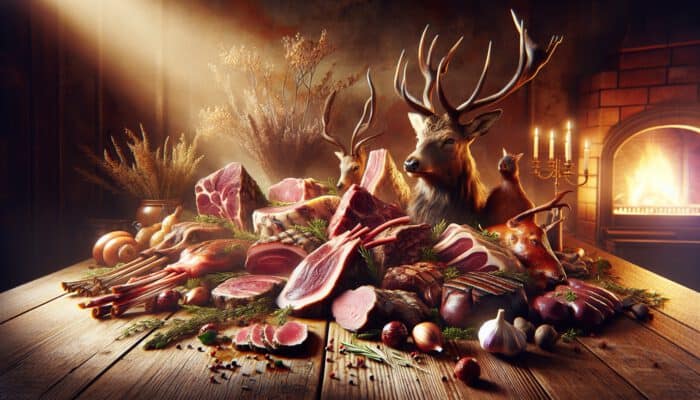
Top Strategies for Cooking Game Meat: Game meat includes a wide variety of options, such as venison, wild boar, and more, each possessing unique characteristics that are essential for chefs to grasp. For example, venison is notably leaner and offers a more subtle flavour compared to the richer and more robust taste of wild duck. By understanding these vital differences, culinary experts can employ specific cooking methods that highlight the natural qualities of the meat, enhancing the overall dining experience. Gaining insight into these subtleties empowers cooks to accentuate the inherent flavours of game, creating dishes that not only satisfy but also leave a memorable impression on diners.
How Does the Flavour Profile Differ Among Game Meats?
The flavour profile of game meat is remarkably varied, influenced by numerous factors such as the animal's diet, habitat, and the freshness of the meat. Freshness plays a crucial role; the quicker the meat is processed post-hunt, the more vibrant and lively the flavours will be. Key elements that shape taste include:
- Animal diet (herbivorous versus omnivorous)
- Season and time of year
- Age of the animal
- Processing methods (including field dressing and hanging time)
- Cooking techniques applied
By carefully considering these elements, dedicated cooks can master the art of flavour manipulation, crafting dishes that celebrate the unique traits of game meat. Such expertise not only enriches the cooking process but also elevates the dining experience, fostering a deeper appreciation for the rich and diverse flavours inherent in various game meats.
Essential Steps for Preparing Game Meat Like a Master Chef
The preparation of game meat lays the groundwork for successful cooking. Fundamental steps, including cleaning and trimming the meat, are vital to enhancing both quality and flavour. Begin by removing all sinew and excess fat, as these can overpower the delicate flavours present in the meat. Additionally, techniques like marinating or brining can significantly improve tenderness and moisture content, effectively setting the stage for a culinary masterpiece. Mastering these foundational practices equips cooks to create meals that are not only delectable but also safe and enjoyable for all diners.
What Are the Best Practices for Selecting and Preparing Game Meat?

Identifying High-Quality Game Meat for Exceptional Dishes
Choosing high-quality game meat is a pivotal step in achieving outstanding culinary results. Always seek clear indicators of freshness, such as vibrant colours and an appealing aroma. The meat should feel firm to the touch, signalling its freshness and quality. Be cautious of any unpleasant odours or discolouration, as these may indicate spoilage. Furthermore, consider the marbling; a small amount of fat can enhance the flavour profile and moisture during cooking, making it a crucial factor in your selection process.
Essential Techniques for Safe Handling of Game Meat
Implementing proper handling techniques is vital in preventing contamination and preserving the integrity of game meat during preparation. Always commence by thoroughly washing your hands before handling any raw meat. Utilise clean utensils and cutting boards specifically designated for game meat, avoiding cross-contact with other food items. During the processing of the meat, ensure that all tools used are properly sanitised to prevent cross-contamination. Following these reliable practices significantly reduces the risk of foodborne illness while maintaining the meat's high quality.
Effective Storage Practices to Keep Game Meat Fresh

Maintaining the freshness of game meat until it is time to cook is essential for both safety and flavour. The optimal storage method is vacuum sealing, which efficiently removes air and extends shelf life. If you plan to use the meat within a few days, refrigeration suffices; however, for long-term storage, freezing is the most effective method. Always label packages with the storage date to facilitate easy freshness tracking. Additionally, ensure your freezer maintains a consistent temperature to prevent freezer burn, which could adversely affect the meat's overall quality and taste.
Expert Techniques for Cooking Game Meat to Perfect Tenderness and Flavour
Advanced Methods for Marinating Game Meat for Maximum Impact
Marinating game meat is a critical technique that can significantly enhance tenderness and flavour. Start by incorporating acidic components, such as citrus juice or vinegar, which aid in breaking down tough fibres present in the meat. For a more complex marinade, consider adding ingredients like soy sauce, garlic, and a variety of fresh herbs. Allow the meat to marinate for a minimum of 4 hours; for tougher cuts, overnight marination is recommended. Always marinate in the refrigerator to avert any bacterial growth. This essential technique not only amplifies flavour but also transforms tougher cuts into more palatable dishes.
How to Achieve the Ideal Balance Between Heat and Cooking Time?
Finding the right balance of heat and cooking time is crucial when preparing game meat, particularly for leaner options like venison or rabbit. Overcooking these meats can lead to dryness, resulting in tough and unappetising dishes. Utilise a meat thermometer to guarantee accurate cooking temperatures; most game meats are best enjoyed medium-rare to medium. For instance, venison should ideally reach an internal temperature of 55°C to 60°C. Real-world examples, such as slow-roasting a whole pheasant, illustrate how controlled cooking can deliver succulent results without sacrificing texture.
Techniques for Enhancing Texture in Game Meat Dishes
Improving the mouthfeel of game meat is vital for delivering a delightful dining experience. Techniques such as allowing the meat to rest after cooking help redistribute juices, ensuring a more tender bite. Additionally, consider using ingredients that enhance texture, such as breadcrumbs or nuts in coatings or garnishes. For example, combining crushed garlic and herbs can create a crust that adds a delightful crunch to tender cuts of meat. These expert insights focus on integrating elements that enhance texture while complementing the rich, diverse flavours of game meat.
Safety Protocols for Handling and Storing Game Meat Effectively
Safety is paramount when preparing and storing game meat. Begin by employing proper thawing methods; the safest approach is to thaw meat in the refrigerator rather than at room temperature. Once thawed, maintain refrigeration below 4°C to prevent spoilage. Additionally, always cook game meat to the recommended internal temperatures to eliminate harmful bacteria. Understanding these crucial steps, including how to prevent cross-contamination during preparation, fosters confidence in the kitchen, creating a safer cooking environment for everyone involved.
Innovative Pairing Ideas to Enhance Game Meat Dishes
Pairing game meat with complementary sides, sauces, and beverages significantly enriches the overall dining experience. For instance, wild venison pairs beautifully with a robust red wine, while grilled quail could be perfectly complemented by a fresh, zesty white wine. Incorporating native Australian herbs like lemon myrtle or wattleseed introduces unique flavour notes that elevate your dish to new heights. Furthermore, sides such as roasted seasonal vegetables or wild rice can provide a balanced accompaniment while enhancing overall flavour harmony. These strategic pairings offer an exciting avenue for culinary exploration and creativity with game meat.
What Are the Essential Techniques for Cooking Game Meat to Perfection?
Fundamentals of Grilling Game Meat for Optimal Results
Grilling stands as one of the most effective methods for preparing game meat, providing even cooking while imparting a delightful char. When grilling, preheat your grill to high heat to sear the meat, thereby locking in its juices. Techniques such as using indirect heat for thicker cuts ensure thorough cooking without burning the exterior. Moreover, marinating the meat beforehand can improve the outcome by adding moisture and enhancing flavour. By mastering these fundamental grilling techniques, cooks can create mouthwatering dishes that beautifully showcase the natural qualities of game meat.
Why Is Slow Cooking an Excellent Choice for Game Meat?
Slow cooking excels when dealing with tougher cuts of game meat, as the low, steady heat aids in breaking down connective tissues, resulting in tender and flavourful dishes. Utilise a slow cooker or a Dutch oven for optimal results. For instance, a wild boar stew can be transformed into a sumptuous delicacy through hours of gentle simmering. The infusion of spices and other ingredients during this process allows for deep flavour development, making slow cooking a versatile and effective choice for various game meats.
Exploring Roasting Techniques for Savoury Game Meat
Roasting is a versatile cooking method that yields juicy, flavourful results for game meat. Different roasting styles can produce unique textures and flavours; for example, spatchcocking a game bird facilitates even cooking and results in crispy skin. Adjusting cooking times based on the cut of meat is essential—larger cuts require longer roasting times at lower temperatures, while smaller cuts benefit from higher temperatures for shorter durations. These variations in roasting techniques highlight the adaptability and appeal of cooking game meat, enabling chefs to explore different flavours and presentations.
Research-Driven Benefits of Effective Cooking Strategies for Game Meat
Nutritional Advantages of Preferred Cooking Methods for Game Meat
Utilising reliable cooking strategies can significantly preserve the nutrient profile of game meat. For example, techniques such as steaming or sautéing with minimal oil help maintain essential vitamins while enhancing overall flavour. Using whole ingredients and avoiding excessive processing further supports these health benefits—keeping the meat as close to its original state as possible maximises its nutritional advantages. By focusing on actionable steps rooted in culinary science, cooks can ensure their meals are not only delicious but also packed with vital nutrients that support overall health.
Techniques for Amplifying the Flavour of Game Meat
Boosting the flavour of game meat through specific cooking techniques can transform an ordinary meal into an extraordinary experience. Methods such as basting with herbed butter or glazing with fruity sauces can add complex layers to the dish. Additionally, strategically using salt during different stages of cooking—such as brining before cooking or finishing with flaky sea salt—can significantly influence the flavour profile. These expert analyses equip cooks with the necessary tools to create balanced, enjoyable meals that highlight the very best of game meat.
Enhancing Efficiency in Game Meat Preparation
Streamlining processes in the kitchen enhances overall efficiency, allowing for quicker and more effective cooking routines. For instance, pre-portioning game meat into meal-sized packages not only facilitates rapid cooking but ensures you have ready-to-use ingredients at all times. Techniques such as batch marinating or pre-prepping vegetables maximise time spent in the kitchen, leading to a more enjoyable cooking experience. Real-world examples demonstrate that thoughtful planning and organisation can dramatically improve the flow of meal preparation, transforming it into a less daunting and more enjoyable task.
Health and Safety Protocols for Cooking Game Meat Safely
Exploring evidence-based guidelines for safely preparing game meat is essential for ensuring a healthy cooking environment. Key protocols include maintaining hygiene through regular handwashing and sanitising surfaces, as well as understanding the importance of cooking meat to appropriate temperatures to eliminate pathogens effectively. Thorough cooking is critical, as undercooked game meat can pose health risks. Adopting these strategies, supported by health studies, promotes safe consumption in everyday meals while instilling confidence and assurance in the cooking process.
Effective Techniques for Tenderizing Game Meat
Tenderizing game meat is vital for enhancing texture and overall palatability. Research-backed methods such as marinating in acidic ingredients like vinegar or citrus juices help break down tough fibres and improve tenderness. Another effective approach involves using a meat mallet to tenderise cuts before cooking. Furthermore, slow-cooking techniques that allow collagen to break down over time play a significant role in achieving tender results. These culinary science techniques ensure that the final dish is enjoyable and enhances the overall dining experience for everyone involved.
Why Is Proper Seasoning Essential for Optimal Game Meat Flavours?
What Influence Do Herbs Have on Game Meat Flavours?
Herbs play a pivotal role in elevating the depth of flavour in game meat dishes. Fresh herbs such as rosemary, thyme, and oregano wonderfully complement the rich and often robust flavours inherent in game meats. By incorporating these herbs during marination or cooking, their essential oils infuse the meat, establishing a harmonious blend of tastes that enhances the overall dish. Understanding how to effectively integrate various herbs can significantly elevate the quality of the meal, resulting in a more complex and satisfying culinary experience that delights the palate.
How Can You Layer Spices for Maximum Flavour Impact?
Layering spices is crucial for developing flavour complexity without overwhelming the dish. Start by introducing base spices like garlic and onion early in the cooking process to create depth. Then, add more delicate spices or herbs towards the end to preserve their unique flavours. This approach ensures each spice contributes meaningfully to the final profile, resulting in a balanced and nuanced dish. By mastering the art of seasoning, cooks can craft meals that resonate with taste while beautifully enhancing the natural qualities of game meat.
Adjusting Seasonings for Individual Taste Preferences
Customising seasonings based on personal taste preferences is crucial for ensuring satisfaction with your dishes. When preparing game meat, consider the unique flavours and characteristics of each cut, adjusting seasonings accordingly. For example, those who enjoy bolder flavours may opt for more robust spices, while others might prefer the subtler notes of herbs. Engaging in this adaptive approach caters to diverse palates and encourages culinary experimentation, allowing cooks to discover exciting new flavour combinations that beautifully complement various types of game meat.
What Are Common Mistakes to Avoid When Seasoning Game Meat?
Common seasoning mistakes can significantly undermine the quality of a dish. Over-salting is a frequent error that leads to an inedible meal; conversely, under-spicing can result in bland dishes that lack excitement. Additionally, neglecting to taste as you cook can hinder your ability to balance flavours effectively. To avoid these pitfalls, always begin with small amounts of seasoning and gradually build up to your desired taste. Being mindful of these common errors ensures a more enjoyable cooking experience, culminating in meals that are both flavourful and well-balanced.
How Does Timing Influence the Effectiveness of Seasoning?
Timing plays a vital role in how flavours develop within a dish. Certain seasonings benefit from being added early, allowing them ample time to infuse into the meat, while others should be reserved for later in the cooking process to maintain their vibrancy. For instance, adding salt early can enhance moisture retention, but herbs should ideally be introduced towards the end to maximise flavour potency. Understanding the timing of seasoning ensures that each ingredient contributes optimally to the final dish, significantly elevating the overall taste and dining experience.
Advanced Strategies for Crafting Exceptional Game Meat Dishes
Innovatively Combining Ingredients for Unique Flavours
Combining ingredients in creative ways can elevate game meat dishes, allowing for bold flavour profiles and intriguing textures. Consider pairing game meat with sweet components; for instance, a wild duck breast can be beautifully complemented by a cherry or orange sauce, balancing richness with acidity. Furthermore, incorporating grains or legumes can add heartiness and depth to the dish. Experimenting with unconventional ingredients, such as unique fruits or local produce, can further enhance the culinary experience, offering diners an exciting journey through flavour and texture.
Innovative Adaptations for Traditional Cooking Techniques
Modifying traditional cooking methods introduces variety and excitement to game meat dishes. For example, consider sous vide cooking, which allows for precise temperature control and can significantly improve tenderness and flavour. Alternatively, roasting game meat with unconventional spices or glazes can yield unexpected and delightful results. Embrace the opportunity to experiment with diverse techniques and ingredients while adhering to core culinary principles. This flexibility encourages creativity in the kitchen and leads to exciting discoveries that enhance the overall cooking experience.
Creative Presentation and Plating Techniques to Impress Diners
Enhancing the visual appeal of game meat dishes is as crucial as the flavours themselves. Consider these simple yet effective plating techniques to make meals more inviting:
- Utilise contrasting colours on the plate—pairing dark meats with vibrant vegetables enhances visual appeal.
- Layer ingredients artfully rather than simply stacking them, adding dimension to your presentation.
- Garnish with fresh herbs or edible flowers for a pop of colour and added freshness.
- Serve sauces on the side or drizzle artfully over the dish to create visual interest.
These ingenious plating ideas not only enhance the dish's aesthetic appeal but also elevate the overall dining experience, encouraging diners to appreciate the artistry involved in cooking.
Ensuring Safety When Cooking Game Meat
What Are the Recommended Temperature Guidelines for Cooking Game Meat?
Monitoring cooking temperatures is vital to prevent foodborne illnesses and ensure the safe consumption of game meat. Game meats should generally be cooked to specific internal temperatures; for example, venison should reach at least 55°C for medium-rare, while wild boar must be cooked to 71°C for safety. Using a meat thermometer is the most reliable method to confirm these temperatures, ensuring that the meat is safe to eat while retaining its juicy flavour.
Essential Hygiene Practices to Maintain in the Kitchen for Safety
Maintaining stringent hygiene practices is critical for reducing the risk of contamination when handling game meat. Always wash your hands thoroughly before and after handling raw meat. Clean all utensils, cutting boards, and surfaces used in preparation with hot, soapy water. Additionally, avoid cross-contamination by using separate tools for raw and cooked meats. Adopting these essential routines promotes cleanliness and establishes a safe cooking environment, significantly reducing the risk of foodborne illnesses.
Long-Term Preservation Techniques to Keep Game Meat Safe and Tasty
Extending the shelf life of game meat is essential for maintaining its quality and safety. Freezing is the most effective long-term preservation method; ensure the meat is vacuum sealed or stored in airtight containers to prevent freezer burn. When freezing, label each package with the date to help track freshness. Additionally, it's advisable to portion the meat before freezing, making it easier to defrost only what you need for each meal. Proper long-term preservation methods retain flavour while ensuring that the meat remains safe for consumption.
Safe Handling Techniques for Quality Assurance When Preparing Game Meat
Implementing safe handling techniques is crucial for preventing bacterial growth and ensuring the quality of game meat. Always wash your hands and surfaces thoroughly before and after handling the meat. In Australian kitchens, it is essential to use clean utensils and surfaces, avoid cross-contamination with other foods, and store meat at appropriate temperatures. Following these practices establishes a safe cooking environment, reduces the risk of foodborne illnesses, and ensures that your culinary efforts yield delicious, safe meals for all.
Frequently Asked Questions About Cooking Game Meat
What Types of Game Meat Are Commonly Used in Culinary Practices?
Common game meats used in cooking include venison, wild boar, rabbit, pheasant, duck, and elk. Each type offers unique flavours and textures that can be enhanced through various cooking methods and techniques.
How Can You Determine If Game Meat Is Fresh?
Fresh game meat should exhibit vibrant colour, firm texture, and a clean, pleasant aroma. Avoid any meat that appears discoloured or emits a foul odour, as these are indicators of spoilage.
What Is the Optimal Method for Marinating Game Meat?
To marinate game meat effectively, use acidic ingredients like vinegar or citrus, combined with a selection of herbs and spices. Allow ample time for marination, ideally overnight, to achieve deeper flavour penetration and tenderisation.
Can Game Meat Be Cooked Directly From Frozen?
While it is safer to thaw meat before cooking to ensure even heat distribution, game meat can indeed be cooked from frozen. Just remember to adjust cooking times accordingly and use a meat thermometer to confirm doneness.
What Is the Ideal Cooking Temperature for Venison?
The ideal cooking temperature for venison ranges between 55°C and 60°C for medium-rare. A meat thermometer is the best tool to ensure it reaches your desired level of doneness.
How Can You Prevent Game Meat from Drying Out During Cooking?
To prevent game meat from drying out, avoid overcooking by closely monitoring internal temperatures, marinating beforehand, and allowing the meat to rest after cooking to retain its juices.
What Common Seasoning Mistakes Should Be Avoided?
Common seasoning mistakes include over-salting, under-spicing, and neglecting to taste as you cook. Start with small amounts of seasoning and adjust gradually to achieve the best flavour balance.
How Long Can Game Meat Be Stored in the Freezer?
Game meat can typically be stored in the freezer for six to twelve months. Always vacuum-seal or wrap the meat tightly to prevent freezer burn and maintain quality.
What Are the Best Side Dishes to Serve with Game Meat?
Complementary side dishes for game meat include roasted vegetables, wild rice, hearty salads, or potato gratin. These sides enhance the meal while balancing and complementing the flavours of the game meat.
Is It Safe to Consume Game Meat Cooked Rare?
Eating rare game meat can be safe, provided it has been properly processed and cooked to the recommended internal temperatures to eliminate harmful pathogens.
Join Our Community on Facebook!
The post Top Strategies for Cooking Game Meat: Pro Techniques appeared first on https://cookinggods.com
The Article Cooking Game Meat: Expert Strategies and Techniques Was Found On https://limitsofstrategy.com