Ceramic Tiles have emerged as a highly desirable choice for a variety of homeowners, primarily because of their remarkable durability, low maintenance needs, and enduring aesthetic charm. However, when these tiles begin to appear lacklustre, patchy, or inconsistent, it can lead to significant frustration for homeowners. Many individuals worry that they may have inadvertently damaged the tiles through improper cleaning methods or that the surface has simply deteriorated over time. In actual fact, the visual appeal of ceramic tiles can often be deceptive, particularly when noticeable issues surface.
A skilled restoration expert approaches these challenges with a calm and methodical mindset. They are adept at distinguishing between concerns affecting the tile surface and those related to the grout. Their primary objective is not to rush into offering solutions but rather to comprehend the reasons behind the altered appearance of the tiles, which is essential for restoring a clean and uniform finish.
Essential Strategies for Extending the Lifespan of Your Ceramic Tiles
- The dull or blotchy look of ceramic tiles is usually due to the accumulation of residues or issues with the grout, rather than actual tile degradation.
- Patchiness that arises as the tiles dry often indicates the presence of a residual cleaning film.
- The condition of the grout is fundamental to the overall cleanliness and appearance of the tiles.
- Abrasive cleaning methods and sealing attempts can exacerbate appearance issues rather than resolve them.
- A professional assessment is crucial for accurately identifying the root causes before considering any remedies.
Why Might Ceramic Tiles Look Worn Despite Their Durability?
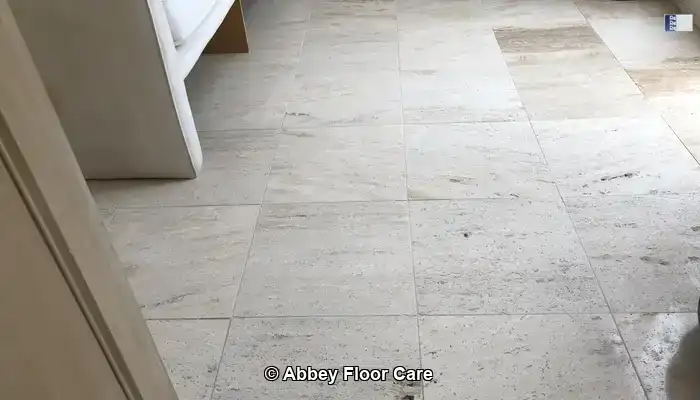
In London, a restoration professional begins by scrutinising the manufacturing and protective processes used in ceramic tile production. The surface receives a hard-fired finish specifically crafted to resist water, dirt, and stains. When tiles appear worn, it is rarely due to surface failure; more often, it results from a build-up of contaminants that obscure the tiles' original beauty, as the surface is non-porous.
Top Recommendations for Effective Ceramic Tile Cleaning Products
|
Fila Pro Floor Cleaner
|
LTP MPG Sealer H20
|
Vileda H2PrO Spin Mop System
|
From a professional standpoint, it is vital to establish clear parameters at the beginning of the assessment process. A dull or patchy look cannot be accurately diagnosed without first determining whether the issue lies with the tile surface, the grout, or both. It can be confidently stated that ceramic tiles themselves rarely succumb to wear under normal domestic conditions in London.
This is precisely why seasoned restorers concentrate on understanding the changes in visual appearance before jumping to conclusions about potential damage or the irreparability of the tiles.
How Can You Identify the Causes of Dry Patchiness in Tiles That Seem Clean When Wet?
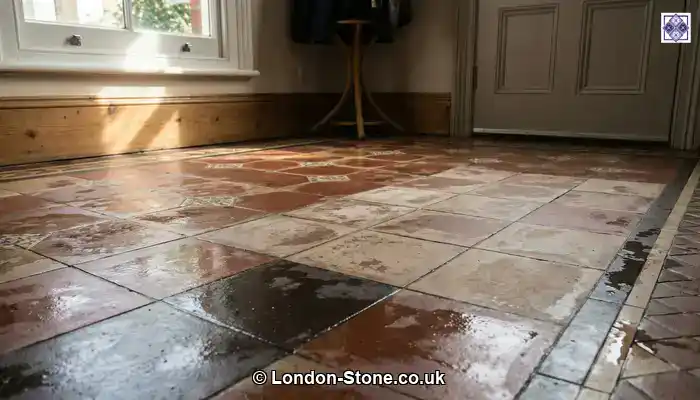
This scenario represents one of the most common challenges encountered by homeowners in London. Tiles may appear flawless after a thorough cleaning, only to dry revealing cloudy patches or an uneven sheen. From a professional perspective, this pattern strongly indicates that the surface is uneven and is not absorbing moisture effectively, a phenomenon known as uneven drying.
Homeowners frequently find that changing cleaning products fails to rectify the issue; instead, it merely shifts the problem rather than resolving it. Such behaviour suggests to a specialist that the underlying issue likely arises from a persistent layer of residue that redistributes with each cleaning session.
A knowledgeable restorer would typically clarify that this type of patchiness is a visual issue rather than a structural one, emphasising that effectively addressing it hinges on identifying the specific residue rather than resorting to vigorous scrubbing.
Understanding Surface Residue and Its Impact on Uneven Drying
In numerous London homes, everyday cleaning products can leave behind invisible layers that accumulate over time. These layers tend to dry unevenly, especially on larger tiled surfaces, creating dull patches and streaks that reappear due to surface residue.
This underscores the necessity of establishing a clear professional boundary. While cleaning can efficiently remove residues and contaminants, it cannot chemically repair damaged grout or resolve issues caused by aggressive prior cleaning methods.
Why Should the Factory Glaze Never Be Blamed?
A specialist often reassures worried homeowners that the protective coating applied to ceramic tiles is exceptionally resilient. The factory-applied finish is designed to endure for decades. Under normal circumstances, it does not absorb cleaners, moisture, or dirt, and issues are seldom attributed to the factory glaze.
This distinction is critical because any attempts to abrade or “refresh” the tile surface would result in irreparable damage to that glaze, leading to far more serious complications than mere dullness.
Comprehending the Significant Influence of Grout on Tile Appearance
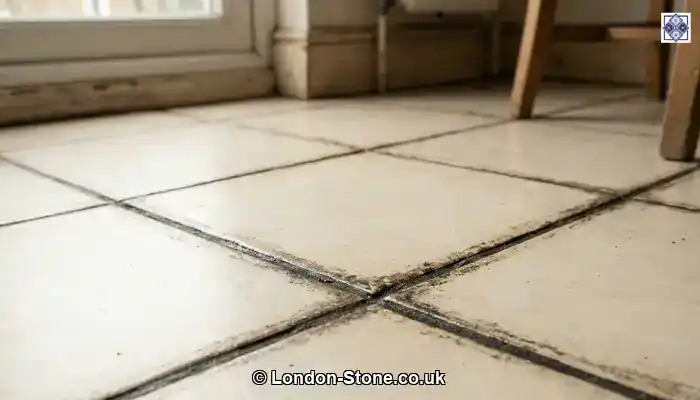
In many London residences, even spotless tiles may seem unclean due to the profound effect of grout on overall visual perception. A professional is acutely aware that discolouration in the joints between tiles can overshadow the entire aesthetic due to grout discolouration.
This concern is particularly relevant for homeowners who feel as though they are constantly cleaning without achieving satisfactory results. While the tiles themselves may indeed be clean, the grout can continue to darken, absorb residues, or react unfavourably to cleaning agents.
From a specialist's viewpoint, this is one of the most prevalent reasons terracotta floors appear perpetually worn.
The Challenges Posed by Porous Grout and Dirt Buildup
Unlike tiles, grout is inherently absorbent and prone to staining. In kitchens, hallways, and bathrooms throughout London, it readily absorbs dirt, detergents, and moisture, leading to gradual changes in colour and texture due to porous grout.
It is also essential to clarify the limitations of cleaning. While surface contamination can be effectively removed, cleaning cannot reverse chemical damage resulting from bleaching, erosion, or the use of inappropriate cleaning products.
How Grout Colour Impacts the Overall Aesthetics of the Floor
Professionals often describe grout as the frame that surrounds each tile. When that frame becomes discoloured or inconsistent, it visually detracts from the entire installation, regardless of the tiles' integrity due to grout discolouration.
This is why restoring uniformity in the appearance of grout can significantly enhance the overall visual appeal more than repeatedly cleaning the tile surface.
How to Effectively Address Haze, Film, and Residues Left Behind After Cleaning
Another common source of dullness in London homes is a persistent film that never seems to disappear. A specialist identifies this as a multifaceted issue, where residues from installation or cleaning interact and dry unevenly, leading to a cleaning film.
These films can persist for years of regular use and often mislead homeowners into believing their tiles are permanently marked.
Understanding the source of the film is critical before any remedial action is taken.
How to Identify Grout Haze From Installation
Grout residue left after installation can remain undetectable for months, only revealing itself as it traps dirt and dulls the tile surface. In many London properties, this is particularly common with modern grouts that bond tightly, leaving stubborn grout haze behind.
A professional typically observes that routine cleaning cannot eliminate this residue once it has cured.
How to Recognise Cleaning Films from Household Products
Numerous household cleaning products are designed to leave a “fresh” finish; however, over time, they tend to create layers that attract dirt and dry unevenly. Specialists often encounter floors that feel slightly sticky underfoot due to chemical residue.
This explains why changing brands rarely resolves the core issue: it only leads to further accumulation.
Understanding Textured Ceramic Tiles and Their Capacity to Trap Dirt
Textured finishes are favoured in London households for their slip resistance and aesthetic appeal, but they require different cleaning approaches. A restorer acknowledges that fine grooves and relief patterns tend to retain dirt, causing textured tiles to appear dull even with regular cleaning.
This does not indicate damage; rather, it illustrates that standard mopping often fails to reach the dirt trapped in these grooves.
In professional settings, this challenge is addressed through meticulous cleaning techniques instead of aggressive scrubbing.
Clarifying the Scope of What Cleaning Can Accomplish and Its Limitations
One of the most significant insights from professionals is the necessity of establishing realistic expectations. While cleaning effectively removes surface dirt, films, and residues, it has its limitations when it comes to addressing structural or chemical alterations, particularly concerning surface residues.
At the beginning of any assessment, a specialist emphasises that ceramic tiles cannot be mechanically refinished. Any abrasive technique would irreparably damage the glazed surface, worsening the issue.
This clarity aids homeowners in understanding why repeated cleaning efforts do not always yield lasting improvements.
Understanding Why Sealing Is Often Recommended Yet Frequently Unsatisfactory
In London, homeowners often receive the suggestion to seal their tiles to combat dullness. A professional clarifies that this recommendation frequently stems from a misunderstanding of how ceramic tiles function, as sealing a glazed surface typically does not enhance appearance and may lead to buildup through chemical residue.
Sealers are intended for porous materials, not factory-glazed tiles. When applied unnecessarily, they dry on the surface and can attract dirt.
This serves as a prime example of why a professional evaluation should precede product selection.
Recognising the Right Moment to Seek Professional Assessment
When dullness, patchiness, or haze persist in a London home despite diligent cleaning, a specialist generally advises homeowners to take a step back and accurately identify the source of the problem. This process emphasises the need to differentiate between issues with the tile surface and those related to grout, rather than guessing solutions based on surface residue.
The success and longevity of any restoration depend on factors such as tile texture, grout condition, previously used products, and future maintenance practices. These variables cannot be evaluated remotely, highlighting the importance of professional judgement.
At this juncture, clarity often replaces frustration, making it considerably easier to outline practical next steps.
If you are seeking clear, expert guidance on why your ceramic tiles appear dull or blotchy and what a professional would typically recommend next, consulting a specialist can provide the insights you need without any pressure.
Restoring the Allure of Your Ceramic Tiles: Final Insights
Dull or patchy ceramic tiles rarely indicate failure. In most cases, the issue arises from insufficient cleaning practices rather than the tiles themselves. Recognising these signs is the first step toward restoring a clean and uniform appearance.
A professional approach prioritises thorough explanations, established boundaries, and safe outcomes. By focusing on the underlying causes instead of quick fixes, homeowners can prevent unnecessary damage and avoid wasted effort.
Meet the Expert: David Allen
David Allen is a highly experienced natural stone and tile restoration specialist with over 30 years of hands-on experience working in homes across the UK. His expertise lies in diagnosing surface appearance issues, safely restoring ceramic and grout installations, and empowering homeowners to confidently maintain and protect their floors.
Addressing Common Questions About Tile Care
Why do my ceramic tiles appear dull, even though they are designed to be durable?
Ceramic tiles are remarkably resilient, but their appearance can be compromised by surface or floor issues. Residues from cleaning agents, grout haze, or discoloured grout often obscure the original finish, leading to a lacklustre appearance, even when the tiles themselves remain intact.
Why do my tiles look fine when wet but become patchy once they dry?
This phenomenon typically occurs when a thin film of residue dries unevenly on the surface. While the tiles appear uniform when wet, as the moisture evaporates, any leftover cleaning film becomes visible, resulting in a patchy or cloudy appearance.
Can grout genuinely make clean tiles look dirty?
Indeed, grout has a significant impact on the visual perception of a tiled floor or wall. Due to its porous nature, grout absorbs dirt and residues more readily than tile. When grout discolours or becomes inconsistent, it creates the impression that the entire installation is unclean, even when the tiles themselves are relatively clean.
Have I damaged my tiles by cleaning them too often?
In most cases, the tiles themselves remain unharmed. However, frequent use of strong or inappropriate cleaners can leave residues that affect the grout, which explains why appearance issues often persist despite regular cleaning and why more aggressive scrubbing rarely yields positive results.
When should I consider seeking a professional assessment?
If you find that dullness, haze, or patchiness repeatedly reappear despite careful cleaning, a professional assessment can help determine whether the issue lies on the tile surface, in the grout, or both. Gaining this understanding can prevent unnecessary treatments and ensure that any solutions are well-suited to the condition of the tiles and grout.
Meet the Expert: David Allen
David Allen is a guest contributor to London-Stone.co.uk and a highly experienced natural stone and tile restoration specialist with over 30 years of hands-on work in homes across the UK.
His professional focus is on diagnosing why stone and tile floors look wrong, even when they are structurally sound. Rather than relying on product claims or quick fixes, David’s approach centres on understanding surface behaviour, grout condition, build-up, and how everyday cleaning habits affect appearance over time.
In this article, David draws on decades of practical experience restoring ceramic tile and grout installations in London homes. He aims to help homeowners understand why ceramic tiles can appear dull, patchy, or uneven and why aggressive cleaning or sealing often exacerbates the situation.
Known for his calm, methodical explanations, David specialises in setting realistic expectations, clearly explaining limits, and guiding homeowners towards safe, appropriate solutions that avoid unnecessary damage. His work prioritises long-term results, informed decision-making, and the preservation of floors rather than experimentation.
The Article What Makes Ceramic Tiles Appear Dull, or Blotchy in London Homes ” was first found on https://london-stone.co.uk
The Article Ceramic Tiles: Reasons for Dullness and Blotchiness in London Homes appeared first on https://fabritec.org
The Article Ceramic Tiles: Causes of Dullness and Blotchiness in London Homes Was Found On https://limitsofstrategy.com