Crucial Strategies for Securing Your Codes
Exploring Various Categories of Security Codes
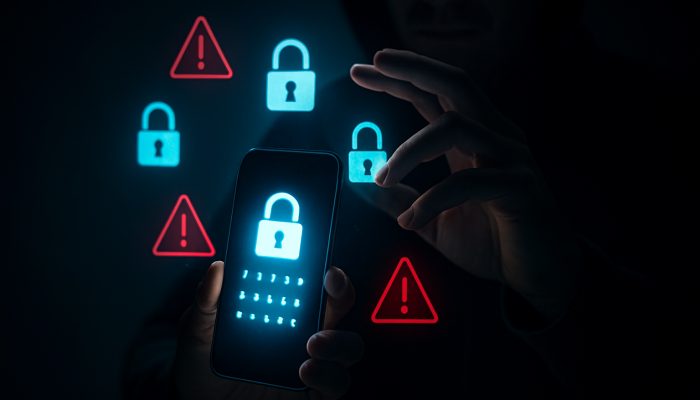
Understanding the different security codes is essential for protecting your accounts and personal data in the UK. Security codes include PINs, one-time passwords (OTPs), and verification codes that may arrive via SMS or email. Each type of code serves a distinct purpose, primarily aimed at ensuring that only authorised users can access sensitive information. Always exercise caution and validate the source of any request for these codes before sharing them, especially during unsolicited phone calls or messages.
It is important to recognise that not all security codes are equally significant. For instance, a bank might send an OTP for a transaction, while a service provider might request a verification code for changes to your account. Understanding these distinctions helps individuals differentiate between legitimate requests and potential scams. Always be wary of unexpected requests; if you did not initiate the contact, it is likely a scam.
Acquainting yourself with the security protocols of your financial institutions can provide additional protection. Many banks and service providers outline specific procedures for communicating with customers, which can assist in identifying suspicious messages or calls. Always remember, if you are uncertain, do not share any codes.
Why Do People Share Security Codes?
Many individuals unwittingly share codes due to pressure from unexpected contacts. Scammers often employ high-pressure tactics, claiming urgent issues with accounts or deliveries, which can lead to panic and hasty decisions. This trend is increasingly prevalent in the UK, where scams have evolved to target vulnerable populations. Scammers may impersonate bank officials or delivery services, crafting a façade of legitimacy that makes their requests appear credible.
The emotional response triggered by these urgent claims can cloud judgement, resulting in individuals sharing codes they would normally safeguard. For example, a caller might assert that there is a problem with your bank account requiring immediate action, leading you to disclose a verification code without due consideration. Understanding such psychological manipulation can empower individuals to resist these tactics.
Education and awareness are vital in addressing this issue. By recognising the methods employed by scammers, individuals can adopt a more sceptical approach to unsolicited requests. It is crucial to take a moment to assess the situation and consult official channels before sharing any sensitive information.
Establishing Personal Security Boundaries
Creating clear rules against sharing codes is essential for personal security. Setting boundaries not only protects your information but also fosters a culture of caution among friends and family. When individuals commit to never sharing codes, they enhance their defence against social engineering tactics often utilised in phone and text communications.
To effectively establish these boundaries, engage in open conversations with your circle about the importance of code protection. Discuss common scenarios where sharing might occur, and reinforce the principle that it is never acceptable to disclose sensitive information without verification. This collective understanding can form a protective barrier against potential scams.
Consider implementing personal security measures, such as activating two-factor authentication (2FA) on accounts wherever possible. This additional layer of security makes it significantly harder for scammers to gain access, even if they do acquire a code. By prioritising personal boundaries and security practices, individuals can greatly diminish their risk of falling victim to fraud.
How to Identify Suspicious Communications

How to Spot Unusual Requests
Contacts that demand the immediate sharing of codes often signal potential scams targeting financial or governmental services. Such requests typically create a sense of urgency, pressuring individuals to respond quickly without taking the time to evaluate the situation. Identifying these red flags can effectively protect sensitive information.
A common tactic used by scammers is to construct a narrative that involves an issue requiring urgent action. For instance, a message may state that your account has been compromised and that you must provide a code to rectify the situation. Such messages often lack verifiable details and typically employ generic salutations. If you receive a message that seems suspicious, pause and critically assess it before responding.
It is also prudent to recall that legitimate organisations rarely request sensitive information in an unverified manner. If a contact seems dubious, consider reaching out to the organisation directly using known contact details. This approach allows you to confirm whether the request was genuine or potentially fraudulent. This straightforward action can prevent you from becoming a victim of scam attempts.
What Indicators Suggest Fraudulent Activity?
When assessing communications for potential fraud, specific indicators can reveal deceptive patterns. Tone and urgency are key factors; messages that convey panic or demand immediate action should raise suspicion. Scammers often rely on these techniques to bypass rational thinking and elicit swift compliance.
Evaluate your relationship with the sender. If you receive a message or call from someone unknown, or if the communication seems out of character for a known contact, exercise caution. Fraudsters frequently impersonate friends or family members, taking advantage of emotional connections to manipulate their victims.
Scrutinise the message for inconsistencies. Spelling errors, grammatical mistakes, or unusual phrasing can be tell-tale signs of a scam. Reputable organisations typically uphold a professional standard in their communications. By remaining vigilant and alert to these signs, you can better safeguard yourself against becoming a victim of scams.
How to Verify the Source of Communications

Verifying details through official channels is a crucial step in mitigating risks associated with impersonation attempts. Rather than responding directly to an unsolicited message or call, take the time to authenticate the sender’s identity. This may involve looking up official contact numbers for banks or service providers and contacting them directly.
If you receive a call purportedly from your bank, hang up and call the number listed on your bank statement or the official website. This ensures you are speaking to a legitimate representative. Fraudsters often use caller ID spoofing to make it seem as though they are calling from a trusted source, so do not assume a call is genuine based solely on the displayed number.
Consider using secure messaging applications that offer end-to-end encryption. These platforms often include features that help verify the identity of contacts, adding an extra layer of security to your communications. By taking these precautions, you can significantly lower the likelihood of falling victim to scams and safeguard your sensitive information.
How Can You Validate Legitimate Requests?
Utilising Verified Channels for Confirmation
Always initiate contact using known verified numbers from statements or apps to confirm any requests for codes before responding to incoming communications. This practice is crucial for ensuring you do not inadvertently share sensitive information with a fraudster. Legitimate organisations will never ask for your codes via unsolicited calls or texts.
When you receive a request for a code, take a moment to pause and consider the context. If you did not initiate the interaction, it is wise to verify the request. Use official websites or contact details from prior communications to reach out directly to the relevant organisation. This helps to determine whether the request was genuine or potentially fraudulent.
Numerous banks and service providers offer dedicated customer service lines for reporting suspicious communications. Utilising these resources can provide peace of mind and ensure your concerns are addressed promptly. By prioritising verification through official channels, individuals can shield themselves from becoming victims of fraud.
Understanding Institutional Communication Policies
British service providers have well-defined policies regarding how they communicate with customers, especially concerning sensitive information such as security codes. Understanding these policies is essential for maintaining account safety at all times. Typically, reputable institutions will not request codes through unsolicited calls or texts, making it vital for individuals to remember this guideline.
Familiarising yourself with your bank’s communication methods can assist in identifying potential scams. For example, many banks will only send verification codes through secure channels, such as their official app, rather than via SMS or email. Being aware of these details empowers you to question any unexpected requests for codes.
Institutions frequently provide educational resources on their websites to help customers identify scams. Regularly reviewing these materials can keep you informed about the latest tactics utilised by fraudsters. By understanding institutional policies and remaining vigilant, you can significantly enhance your protection against fraudulent activities.
Documenting Suspicious Interactions for Safety
Keeping records of suspicious contacts is a crucial practice that aids in reporting to authorities and raises awareness of recurring scam tactics. Documenting interactions can include saving text messages, taking notes during phone calls, and noting the time and date of communications. This information can be invaluable when reporting incidents to law enforcement or your bank.
When you document suspicious interactions, you create a timeline that can assist authorities in tracking patterns of fraud. This can help in identifying scammers and preventing further victimisation. Sharing your experiences with others can promote awareness within your community, encouraging more individuals to adopt protective measures.
Consider using secure apps designed for documenting suspicious communications. Some applications allow you to store information securely while also providing alerts about potential scams. By taking these proactive steps, you contribute to a broader effort to combat fraud and protect yourself and others from becoming victims of scams.
Verifying Through Secure Platforms
Utilising official mobile applications or secure online portals provided by the service provider ensures that any verification process remains protected from interception. Many banks and service providers have apps that offer secure messaging features, allowing you to communicate directly with customer service representatives without the risk of fraud.
When you receive a request for a verification code, use the official app to check for any notifications or messages related to your account. This can help confirm whether the request is legitimate. If the app does not display any alerts or requests, it is likely that the communication you received was a scam.
Ensure you have activated two-factor authentication (2FA) on your accounts. This adds an extra layer of security, requiring not just a password but also a verification code sent to your device. By utilising secure methods for verification, you can significantly reduce the risk of fraud and protect your sensitive information.
Seeking Independent Confirmation of Requests
Contacting the organisation directly using contact details obtained from independent sources is a critical step in confirming the authenticity of any request. This practice helps effectively avoid potential scams. Always be cautious of any contact details provided in dubious messages, as scammers often use these to mislead victims.
When in doubt, take the time to search for the organisation’s official contact information through their website or trusted sources. This ensures that you are reaching out to the legitimate entity rather than a fraudster posing as a representative.
Consider discussing suspicious requests with friends or family members. They may have encountered similar situations and can provide insights or advice on how to handle the request. By seeking independent confirmation and utilising trusted sources, you can protect yourself from falling victim to scams.
Insights from Experts on Avoiding Code Sharing with Unsolicited Contacts
Real-Life Examples from UK Banking Experiences
Examining past incidents demonstrates how refusing code requests has thwarted significant fraud attempts involving impersonated bank staff during phone conversations. Numerous cases have surfaced where individuals received calls from scammers pretending to be bank representatives, requesting security codes to “verify” transactions. Those who recognised the warning signs and declined to share their codes often avoided substantial financial loss.
In one notable case, a woman received a call from someone claiming to be from her bank’s fraud department. The caller insisted that her account had been compromised and requested a verification code. She wisely opted to hang up and call her bank directly using the number on her statement. This simple act of verification revealed that the call was indeed a scam, saving her from potential financial losses.
Such examples underscore the importance of maintaining vigilance and adhering to personal security practices. By sharing these narratives within communities, individuals can raise awareness and inspire others to adopt similar protective measures. Refusing to share codes not only protects personal finances but also contributes to a collective effort against fraud.
Implementing Practical Steps for Daily Security Routines
Developing habits like promptly ending calls when codes are mentioned can strengthen personal security measures over time. Establishing a routine that prioritises verification can significantly lower the risk of falling victim to scams. For instance, if you receive a call requesting a code, politely decline to provide it and inform the caller that you will verify their identity through official channels.
Consider setting reminders to regularly review your security settings. This can involve updating passwords, enabling two-factor authentication, and ensuring that your contact information with banks and service providers is current. By integrating these practices into your routine, you create a stronger defence against potential fraud.
Educating yourself about common scam tactics can also enhance your awareness. Follow news articles, blogs, and official alerts regarding the latest scams targeting consumers. By staying informed, you can adapt your daily routines and habits to better protect yourself from evolving threats.
Expert Insights into Common Security Pitfalls
Reviewing behavioural tendencies reveals why urgency tactics succeed and how to counteract them through consistent verification practices. Scammers often exploit the human instinct to act swiftly, particularly when confronted with a perceived threat. This urgency can prompt individuals to share codes without fully contemplating the consequences.
To counteract these tactics, cultivating a mindset of scepticism is essential. When faced with an urgent request, take a moment to pause and evaluate the situation. Consider whether the request aligns with your previous interactions with the organisation. If something feels off, prioritise verification over compliance.
Practice saying “no” to requests for codes in a safe environment. Role-playing scenarios with friends or family can help reinforce your boundaries and build confidence in refusing to share sensitive information. By understanding common pitfalls and developing strategies to counteract them, you can enhance your personal security and reduce the risk of fraud.
What Practices Ensure Safe Code Sharing?
Implementing Call Screening Features
Utilising device features to filter unknown numbers protects you from potential scammers attempting to acquire codes through deceptive conversations or messages. Most smartphones come equipped with built-in call screening features that allow you to identify and block calls from unknown or suspicious numbers. Activating these features can significantly diminish the likelihood of receiving scam calls.
To call screening, consider using apps designed to identify and block spam calls. These applications can provide real-time alerts and help maintain a secure communication environment. By leveraging technology, you can proactively protect yourself from potential fraud.
Educating yourself and your family about these features is equally important. Share information about call screening and spam blocking with loved ones, ensuring that everyone in your household is equipped to handle suspicious calls. By implementing these measures, you create a safer environment for yourself and those around you.
Fostering Awareness Among Household Members
Sharing knowledge about code protection with family members creates a collective barrier against social engineering tactics that target multiple individuals within a household. It is vital to engage in open discussions about the risks associated with sharing codes and the methods employed by scammers. This awareness empowers everyone in the household to recognise suspicious communications and respond appropriately.
Consider organising family meetings to discuss recent scams or suspicious calls reported in the community. This encourages vigilance and prompts family members to share their experiences. By creating a culture of awareness, you strengthen your household’s overall security posture.
Establish a family protocol for handling unexpected requests for codes. This could involve a rule that any request for sensitive information must be verified through official channels. By educating household members and setting clear guidelines, you create a united front against potential fraud.
What Training Resources Are Most Effective?
Accessing free guides from consumer protection organisations equips individuals with the skills to confidently and securely handle unexpected code requests. Many organisations, such as the UK’s National Cyber Security Centre (NCSC) and Action Fraud, offer valuable resources and training materials aimed at raising awareness about fraud prevention.
These resources typically include tips on recognising scams, practical steps for securing personal information, and guidelines for reporting suspicious activity. Taking the time to review these materials can enhance your understanding of the risks and empower you to take proactive measures against fraud.
Consider participating in community workshops or online webinars focused on cybersecurity and fraud prevention. These events often provide opportunities for individuals to learn from experts and share their experiences with others. By utilising available training resources, you can bolster your ability to protect yourself and others from fraudulent activities.
Research-Backed Benefits of Not Sharing Codes
Minimising Financial Losses
Research indicates that consistently refusing to share codes greatly reduces exposure to account takeovers, thereby preserving savings and credit ratings over time. By adopting a policy of never sharing sensitive information, individuals can significantly lower their risk of falling victim to scams that could lead to financial loss.
For instance, studies have shown that individuals who actively verify requests for codes are less likely to experience fraud-related losses. This proactive stance not only protects personal finances but also contributes to overall financial stability. Maintaining a strong approach against sharing codes is a vital factor in safeguarding your financial future.
The long-term advantages of refusing to share codes extend beyond immediate financial protection. Individuals who develop strong security habits tend to feel more confident in their ability to navigate online services without the fear of scams. This increased confidence can lead to more secure financial behaviours and better decision-making in the future.
Enhancing Overall Digital Confidence
Individuals who maintain strict boundaries report greater trust in using online services without the fear of sudden text or call-based intrusions. Establishing a practice of never sharing codes fosters a sense of control over personal information, allowing individuals to engage with digital services more confidently. This heightened confidence can contribute to a more positive online experience.
As individuals become more aware of the tactics employed by scammers, they are better equipped to navigate potential threats. This awareness enhances personal security and contributes to a broader understanding of digital safety within communities. When individuals feel empowered to protect their information, they can engage in online activities with greater peace of mind.
Cultivating a culture of security awareness can have positive ripple effects within families and social circles. By sharing knowledge and encouraging others to adopt similar protective measures, individuals can create a safer digital environment for everyone. This collective effort contributes to a more secure online landscape.
Key Advantages for Personal Security
- Improved account integrity
- Fewer instances of fraud
- Stronger legal position in case of incidents
- Reduced stress associated with potential scams
The benefits of not sharing codes extend beyond immediate financial protection. By prioritising personal security, individuals can experience enhanced account integrity, leading to fewer instances of fraud and a stronger legal standing in case of incidents. Maintaining strict boundaries around code sharing can significantly diminish stress related to potential scams, allowing for a more relaxed engagement with financial services.
As individuals establish consistent habits related to code protection, they contribute to a culture of security awareness that benefits the wider community. By sharing knowledge and experiences, individuals can help educate others about the importance of safeguarding personal information, ultimately leading to a more secure environment for all.
Implementing these protective measures not only enhances personal security but also fosters a sense of collective responsibility in the fight against fraud. By remaining vigilant and committed to never sharing codes, individuals can reap the benefits of a safer digital landscape.
How Do Regulations Strengthen This Protective Approach?
Complying with Data Protection Regulations
Adhering to existing laws ensures organisations handle code requests transparently, granting individuals clear rights to refuse without repercussions. In the UK, data protection regulations, such as the General Data Protection Regulation (GDPR), require organisations to safeguard personal information and respect individuals’ rights regarding their data.
These regulations provide a framework for individuals to understand their rights when sharing sensitive information. For example, individuals have the right to know how their data is being used and to refuse any requests for codes that do not comply with established protocols. This legal backing empowers individuals to stand firm against unsolicited requests.
Organisations compliant with data protection regulations are more likely to implement robust security measures to protect customer information. This creates a safer environment for consumers and reinforces the importance of maintaining strict boundaries around code sharing. By understanding these regulations, individuals can navigate their interactions with organisations more effectively and protect their personal information.
Available Reporting Mechanisms
Official channels enable swift notification of breaches, supporting broader efforts to prosecute those using calls or texts for fraudulent code acquisition. In the UK, individuals can report suspicious communications to Action Fraud, the national fraud reporting centre. This service provides a platform for victims to share their experiences and assists authorities in tracking patterns of fraud.
When reporting suspicious contacts, it is vital to provide as much detail as possible, including the nature of the communication, any phone numbers or email addresses involved, and any other pertinent information. This data can aid law enforcement in investigating and prosecuting fraudsters.
Many banks and service providers have dedicated teams for addressing fraud reports. By notifying your bank of any suspicious communications, you contribute to their efforts to combat fraud and protect other customers. Reporting mechanisms play a crucial role in creating a safer environment for everyone, and individuals should feel empowered to utilise these resources.
Adapting Legal Frameworks to Emerging Threats
Updates to consumer protection laws reflect new scam trends, emphasising the necessity of never sharing codes regardless of the method of contact used. As technology evolves, so too do the tactics employed by fraudsters. Regulatory bodies continually update laws in response to emerging threats, enhancing consumer protection.
For instance, recent amendments to the UK’s Fraud Act have broadened the definition of fraud to encompass sophisticated scams that exploit technology. These changes underscore the importance of individuals remaining vigilant and informed about potential risks, particularly regarding code sharing.
Consumer protection agencies regularly publish guidelines and best practices to help individuals navigate the shifting landscape of fraud. By staying informed about these updates, individuals can adapt their security practices and ensure they are adequately protected against emerging threats. The evolving legal framework serves as a reminder of the importance of maintaining strict boundaries around code sharing.
International Regulatory Collaboration
Collaboration between regulatory bodies across nations strengthens the fight against fraudulent activities by harmonising standards for code verification processes. This international cooperation is essential in addressing the global nature of fraud, as scammers often operate across borders. By sharing information and best practices, countries can develop more effective strategies for combating fraud.
For example, initiatives like the Financial Action Task Force (FATF) work to combat money laundering and terrorist financing, which frequently involve fraudulent activities. By aligning regulations and sharing intelligence, countries can create a unified front against scammers and protect consumers more effectively.
International cooperation facilitates the establishment of common standards for data protection and fraud prevention. This can lead to more consistent practices across industries and enhance consumer trust in digital services. By supporting international regulatory cooperation, individuals can contribute to a global effort to combat fraud and protect personal information.
Practical Tools and Resources to Enhance Security
Utilising Security Applications
Downloading verified applications aids in monitoring for suspicious activity linked to code-sharing attempts via text or voice communications. Many apps are designed to enhance personal security by providing real-time alerts about potential fraud and enabling users to block unwanted calls and messages. These tools can be invaluable in maintaining a secure communication environment.
When selecting security applications, opt for those with positive reviews and a proven track record of effectiveness. Some applications offer features such as caller ID identification, spam blocking, and even fraud reporting tools. By integrating these apps into your daily routine, you can proactively protect yourself from potential scams.
Consider sharing your experiences with these applications within your community. By discussing the tools that have proven effective for you, you can assist others in enhancing their security measures. The more individuals who utilise these resources, the stronger the collective defence against fraud becomes.
Key Personal Security Benefits of Security Apps
- Real-time alerts
- Easy reporting features
- Educational tips on recognising scams
- Integration with banking notifications
The advantages of employing security apps extend beyond immediate protection. These applications often provide real-time alerts that notify users of suspicious activity, enabling swift action. Many apps include easy reporting features, simplifying the process of notifying authorities about potential fraud.
Educational tips on scams represent another valuable aspect of these tools. Many security apps offer resources that inform users about the latest fraud tactics, empowering them to recognise suspicious communications. Integration with banking notifications can enhance overall security by providing a comprehensive view of account activity.
By leveraging these benefits, individuals can create a more secure environment for themselves and their families. The right security apps can serve as a powerful ally in the ongoing battle against fraud, helping users maintain control over their personal information.
Accessing Community Support for Security Awareness
Local workshops and online forums provide shared experiences that reinforce best practices for effectively handling unexpected code demands. Engaging with community resources can enhance your understanding of fraud prevention and establish a supportive network for sharing information. Many local organisations offer free workshops focusing on cybersecurity and fraud prevention, providing valuable insights and practical tips.
Online forums can also serve as platforms for discussing experiences and strategies related to code protection. By participating in these communities, individuals can learn from each other and share their experiences, contributing to a collective knowledge base. This collaborative approach can empower individuals to adopt better security practices and stay informed about emerging threats.
Consider forming a community group centred on fraud prevention. By gathering like-minded individuals, you can create a support system that promotes ongoing education and awareness. This proactive approach can significantly enhance the overall security of your community.
Reviewing Official Guidelines and Resources
National cybersecurity agencies publish comprehensive manuals and checklists that assist individuals in identifying fraudulent requests for verification codes sent through messaging services or calls. Regularly reviewing these authoritative sources can keep you informed about emerging threats and recommended protective measures against scams.
For example, the UK’s National Cyber Security Centre (NCSC) offers extensive resources on recognising scams and maintaining personal security. These materials often include practical tips, case studies, and guidelines for reporting suspicious activity. By staying up-to-date with official guidelines, individuals can enhance their ability to protect themselves from fraud.
Consider subscribing to newsletters from cybersecurity agencies to receive regular updates on the latest threats and best practices. This proactive approach ensures that you remain informed and prepared to navigate potential scams effectively. By utilising official guidelines, you can strengthen your personal security and contribute to a broader effort against fraud.
Utilising Helpline Services for Immediate Assistance
Dedicated support lines operated by banks and security organisations enable immediate consultation with experts who can guide victims through secure responses to unsolicited code requests. These helplines are invaluable resources for individuals who may feel overwhelmed or uncertain about how to handle suspicious communications.
When contacting a helpline, provide as much detail as possible about the situation. This allows the expert to offer tailored advice and support. Many banks have dedicated fraud teams that can assist in verifying the legitimacy of requests and provide guidance on subsequent steps.
Consider sharing helpline information with friends and family. Ensuring that your loved ones know where to seek assistance can empower them to take proactive measures against fraud. By utilising helpline services, individuals can gain confidence in their ability to respond effectively to potential scams.
Cultivating Long-Term Security Habits
Routine Reviews of Contact Access
Regularly assessing who has access to personal details helps prevent the gradual erosion of boundaries surrounding code confidentiality in everyday interactions. It is essential to routinely evaluate your contact list and determine whether individuals still require access to sensitive information. This practice not only protects your data but also reinforces the importance of code security.
When reviewing contacts, consider whether you have recently shared codes or sensitive information with anyone. If you discover that someone no longer requires access, take steps to remove them from your communications. This proactive approach helps maintain boundaries and ensures that your personal information remains secure.
Discuss your contact review process with family members. Encouraging them to evaluate their contacts can foster a culture of vigilance surrounding code protection. By establishing these habits, individuals contribute to a safer environment for themselves and their loved ones.
Key Personal Security Advantages of Routine Reviews
- Ongoing awareness
- Proactive prevention
- Community influence
- Long-lasting financial protection
The benefits of regularly reviewing contacts extend beyond immediate security. By maintaining ongoing awareness of who has access to personal information, individuals can engage in proactive prevention against potential scams. This habit fosters a culture of vigilance that influences others in the community, contributing to a safer environment for all.
Establishing these practices can lead to lasting financial protection. By ensuring that sensitive information is only shared with trusted contacts, individuals can reduce their risk of falling victim to fraud. This proactive approach not only safeguards personal finances but also enhances overall confidence when navigating online services.
Ultimately, building these habits creates a strong foundation for long-term security. By prioritising code protection and encouraging others to do the same, individuals contribute to a collective effort against fraud, creating a more secure digital landscape for everyone.
Adapting to Emerging Threats
Staying informed about evolving tactics ensures ongoing resilience against new methods employed by callers and texters seeking sensitive codes. Fraudsters continuously adapt their strategies, making it crucial for individuals to remain vigilant and aware of new threats. By following news articles, blogs, and official alerts, you can stay updated on the latest scams and tactics.
Consider subscribing to newsletters from cybersecurity agencies and consumer protection organisations. These resources often provide valuable insights into emerging threats and practical tips for protecting personal information. By staying informed, individuals can adjust their security measures and remain one step ahead of potential fraudsters.
Engage in discussions with friends and family regarding new scams you encounter. Sharing information can help raise awareness within your community and encourage others to adopt protective measures. By fostering a culture of vigilance and adaptability, individuals can collectively enhance their resilience against fraud.
Establishing Daily Security Practices
Incorporating regular verification processes into daily schedules allows individuals to develop instinctive behaviours that safeguard personal codes from social engineering attempts. Consider setting aside time each week to review your security settings, update passwords, and assess who has access to your personal information. By integrating these practices into your routine, you create a stronger defence against potential fraud.
Practice saying “no” to requests for codes in safe environments. Role-playing scenarios with friends or family can help reinforce your boundaries and build confidence in refusing to share sensitive information. The more you practice these behaviours, the more instinctive they will become.
Consider incorporating security checks into your daily activities. For instance, before responding to any requests for codes, take a moment to verify the sender’s identity. By establishing these daily security routines, individuals can develop lasting habits that enhance personal security and protect against fraud.
Frequently Asked Questions
What should I do if I receive a suspicious call asking for my security code?
If you receive a suspicious call, do not share your security code. Hang up and contact your bank or service provider directly using their official contact number to verify the request.
How can I identify a scam message?
Look for warning signs such as poor grammar, urgent language, or requests for personal information. If the message is unexpected or from an unknown source, treat it with caution.
Are there any apps that can help protect me from scams?
Yes, there are several applications designed to enhance personal security, including call blockers and fraud alert systems. Research and download reputable applications to monitor suspicious activity.
What should I do if I’ve shared my code with a scammer?
Immediately contact your bank or service provider to report the incident. They can help secure your account and investigate any potential fraudulent activity.
How can I educate my family about code protection?
Conduct discussions about the importance of safeguarding codes and share recent examples of scams. Encourage family members to adopt protective measures and stay informed about potential threats.
What are the signs of a potential scam call?
Signs include unsolicited requests for personal information, a sense of urgency, and calls from unknown numbers. If something feels off, it is best to verify the caller’s identity.
Can I report a scammer to the authorities?
Yes, you can report scammers to Action Fraud in the UK. Providing detailed information about the incident can assist in their investigations.
How often should I review my security settings?
Regularly review your security settings at least once a month. This includes updating passwords, checking account access, and ensuring personal information is secure.
What role do regulations play in protecting consumers?
Regulations ensure organisations handle personal information transparently and protect consumers’ rights. They provide a framework for reporting breaches and maintaining data security.
How can I stay informed about new scam tactics?
Stay updated by following news articles, subscribing to newsletters from cybersecurity agencies, and participating in community discussions about fraud prevention.
Visit our Facebook profile for more updates!
This Article Was First Found On: https://www.debtconsolidationloans.co.uk