Thorough Examination of Pregnancy Blood Tests in Portsmouth
What is the importance of a pregnancy blood test?
Private Pregnancy Blood Test in Portsmouth: The pregnancy blood test serves as a critical diagnostic instrument within the UK healthcare system, particularly in Portsmouth, meticulously crafted to identify the presence of pregnancy hormones circulating in the bloodstream. This examination entails the collection of blood samples, followed by meticulous analysis to guarantee precision. The results obtained from these blood tests are fundamental for initiating early prenatal care, which allows for timely medical interventions and continuous monitoring of maternal health throughout the pregnancy journey. The primary hormone detected during this assessment is human chorionic gonadotropin (hCG), which is produced immediately after a fertilised egg successfully implants into the uterine lining.
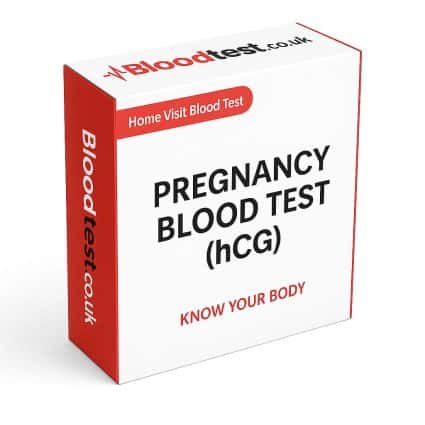

Moreover, additional hormones and proteins such as progesterone, estradiol, and alpha-fetoprotein (AFP) might also be evaluated to provide a more comprehensive understanding of the health status during pregnancy. Grasping the roles of these hormones is imperative for both healthcare providers and patients, as it significantly impacts the monitoring of pregnancy health and ensures optimal outcomes for both the mother and her child.
What types of pregnancy blood tests are available for expectant mothers?
In the UK, particularly in Portsmouth, healthcare professionals primarily offer two categories of pregnancy blood tests: qualitative and quantitative tests. Qualitative tests are designed to confirm the presence of hCG in the bloodstream, thereby affirming the existence of pregnancy. Conversely, quantitative tests provide precise measurements of hCG levels, offering deeper insights into the progression of the pregnancy. These tests differ in sensitivity; for instance, quantitative tests can detect lower levels of hCG, making them particularly advantageous in situations such as suspected ectopic pregnancies or multiple pregnancies. This detailed information is invaluable to healthcare professionals, as it facilitates safe monitoring and tailored care for expectant mothers residing in Portsmouth.
Choosing the appropriate test depends on the clinical context and the specific needs of the patient. Therefore, clinics in Portsmouth must offer both testing alternatives to accommodate a diverse range of patient requirements.
What preparatory actions should be taken before the test?
For individuals preparing to undergo a pregnancy blood test in Portsmouth, certain preparatory steps can significantly enhance the accuracy of the results. Patients should consult with their General Practitioner (GP) before undergoing the test to discuss any specific requirements or concerns they may have. Although fasting is typically not necessary for this type of blood test, ensuring proper hydration is vital, as it facilitates a smoother blood draw and minimizes discomfort.
Additionally, patients must inform their healthcare provider of any medications they are currently taking, as certain substances can influence hCG levels. Following these guidelines is crucial to ensure test accuracy and align with NHS recommendations, ultimately leading to optimal health outcomes in pregnancy management. Moreover, it is beneficial for patients to mentally prepare for the test, understanding its significance in tracking their pregnancy journey.
What are the steps involved in conducting a Pregnancy Blood Test in Portsmouth?
What procedures are adhered to during the testing process?
The procedure for conducting a pregnancy blood test in Portsmouth is straightforward and prioritises both efficiency and patient comfort. The process commences with venipuncture, wherein a trained healthcare professional utilises a sterile needle to draw blood from a vein, typically in the arm. This procedure is rapid and minimally invasive, often completed within five minutes.
Once the blood is collected, the sample is sent to a laboratory for processing. Skilled technicians analyse the sample to ascertain hCG levels and potentially evaluate other hormone levels as well. Results usually become available within several days, after which they are communicated to the patient, allowing healthcare providers to discuss the findings and any necessary follow-up actions. This systematic approach guarantees accuracy of results while ensuring patient comfort throughout the process, reflecting the high standards upheld by healthcare facilities in Portsmouth.
What standard protocols are in place during the test?
Standard protocols for a pregnancy blood test in Portsmouth strictly adhere to UK medical guidelines, ensuring a reliable and consistent process. Upon arriving at the clinic or laboratory, patients are welcomed and required to complete necessary paperwork, which includes personal details and medical history. This information is crucial for identifying any potential risks or health considerations pertinent to the patient.
Following the blood draw, protocols dictate that samples are accurately labelled to prevent errors and processed promptly to maintain the integrity of the results. Laboratories implement rigorous quality assurance measures, including equipment calibration and control samples, to ensure that results are both accurate and trustworthy. This commitment to following established procedures supports effective pregnancy management and provides an additional layer of reassurance for patients in Portsmouth.
What potential side effects should patients be aware of?
While a pregnancy blood test is generally regarded as safe, patients may encounter minor side effects. Individuals in Portsmouth might observe some bruising at the site of the blood draw, which is a common reaction to any blood test. Light-headedness or dizziness can also occur, especially if the patient is feeling anxious or has not eaten prior to the test.
It is advisable for patients to rest and hydrate following the test to alleviate these effects. If any unusual symptoms arise, such as excessive bleeding or severe discomfort, patients are strongly encouraged to contact their healthcare provider without delay. By remaining informed about these potential side effects, individuals can approach the testing process with greater confidence and awareness, ultimately prioritising their wellbeing.
Insights from Experts on Pregnancy Blood Tests in Portsmouth
What real-world scenarios highlight the importance of pregnancy blood tests?
Real-world cases from clinics in Portsmouth have underscored the vital role that pregnancy blood tests play in the early detection of complications. For example, one patient presented with unusual symptoms during her first trimester. Upon testing, it was revealed that her hCG levels were lower than anticipated, prompting further investigation and ultimately leading to the identification of an ectopic pregnancy.
This case illustrates how early detection through blood tests can dramatically influence patient outcomes. Prompt action enabled timely intervention, which is crucial in circumstances where the mother’s health might be at risk. Healthcare professionals in Portsmouth stress that these tests are integral to comprehensive prenatal care, ensuring that expectant mothers receive tailored advice and interventions based on their unique circumstances.
What benefits do specialists emphasise regarding pregnancy blood tests?
Experts in Portsmouth have highlighted the numerous benefits of pregnancy blood tests in improving prenatal care. These tests are renowned for their high accuracy, which is essential for expectant mothers when making informed decisions about their health and that of their unborn child. For instance, obtaining precise hCG readings allows healthcare providers to closely monitor the progress of the pregnancy and modify care plans as necessary.
Moreover, these tests facilitate the early detection of potential issues, enabling proactive management that can prevent complications. Experts also note that engaging patients in discussions about their results fosters understanding and involvement in their healthcare journey, which is crucial for achieving positive outcomes. These insights reinforce the significance of pregnancy blood tests, ensuring they remain a fundamental aspect of prenatal care in Portsmouth.
How is ongoing research influencing healthcare practices?
Research highlights a growing trend towards incorporating pregnancy blood test results into health records across the UK, particularly in Portsmouth. This integration enhances monitoring and preventive strategies, enabling healthcare providers to track maternal health trends and effectively identify high-risk pregnancies.
For instance, data collected from blood tests can be utilised to create predictive models for complications, guiding healthcare policies and practices. Consequently, Portsmouth not only benefits from improved individual patient care but also contributes to broader public health initiatives aimed at enhancing maternal and infant health outcomes. The analysis of pregnancy blood test data is a powerful tool that continues to evolve, shaping the future of prenatal care.
What Key Results Should You Expect from a Pregnancy Blood Test?
How can you accurately interpret the results?
Interpreting the outcomes of a pregnancy blood test necessitates a clear understanding of human chorionic gonadotropin (hCG) levels in accordance with UK standards. In Portsmouth, a positive result typically signifies the presence of hCG in the blood, confirming pregnancy. Healthcare providers offer patients reference ranges for hCG levels, which can fluctuate depending on the stage of pregnancy.
Patients must discuss the implications of these results with their healthcare providers. Elevated hCG levels can indicate a normal pregnancy, while lower-than-expected levels may require further investigation. By comprehending the significance of these values, patients can make informed decisions regarding their subsequent steps in care and ensure appropriate monitoring throughout their pregnancy.
What factors impact the reliability of test results?
The reliability of a pregnancy blood test hinges on several factors, including the timing of the test and the quality of the blood sample. In Portsmouth, patients should schedule their tests at the optimal time; testing too early may yield a false negative, as hCG levels might not yet be sufficiently elevated for early pregnancy detection.
Proper handling and storage of the blood sample are also critical for accurate results. If a sample is not processed promptly or is subjected to inappropriate conditions, the integrity of the results may be compromised. Therefore, healthcare facilities in Portsmouth adhere to stringent protocols to ensure samples are managed correctly, thereby enhancing the reliability of test outcomes and supporting effective pregnancy confirmation.
What follow-up actions are typically needed after testing?
Following the results of a pregnancy blood test, patients in Portsmouth often need to undertake certain measures to ensure ongoing health and safety. Depending on the results, healthcare providers may recommend various actions, which may include:
- Scheduling a follow-up blood test to monitor hCG levels
- Arranging an ultrasound to confirm the pregnancy location and viability
- Consulting a healthcare provider for personalised advice based on results
- Engaging in regular prenatal care appointments to monitor health
These measures align with UK protocols for ongoing care, ensuring that any complications are addressed proactively. Early intervention is crucial for promoting positive health outcomes for both the mother and child, making follow-up measures essential throughout the pregnancy.
What types of test results might you encounter?
In Portsmouth, pregnancy blood test results may return as positive, negative, or inconclusive. A positive result indicates the presence of hCG, thereby confirming pregnancy. Conversely, a negative result suggests that pregnancy is unlikely. However, an inconclusive result can lead to confusion and may necessitate retesting or further evaluation.
Understanding these outcomes is vital for patients to accurately interpret their findings. Engaging in discussions with healthcare providers regarding the implications of these results is crucial for effectively planning subsequent actions. A thorough understanding of test results empowers patients to make informed health decisions, fostering better choices throughout their pregnancy.
What Are the Research-Backed Benefits of Pregnancy Blood Tests in Portsmouth?
What advantages do these tests provide for early detection?
Research conducted in the UK has demonstrated that blood tests during pregnancy offer significant advantages for the early detection of pregnancy-related issues. In Portsmouth, these tests yield precise results that facilitate timely interventions, mitigating risks for both mothers and infants. Early identification of conditions such as ectopic pregnancies or abnormal hCG levels can be life-saving, making these tests a critical component of prenatal care.
By enabling healthcare providers to act swiftly, these tests can improve health outcomes, ensuring that expectant mothers receive the necessary support and care during the crucial early stages of pregnancy. The implications of this early detection are profound, underscoring the importance of routine blood testing during pregnancy within local healthcare practices.
What insights from clinical trials reveal?
Clinical trials conducted in the UK have highlighted how pregnancy blood tests enhance safety and outcomes for expectant mothers. In Portsmouth, medical facilities utilise these tests to accurately measure hormone levels, facilitating informed clinical decisions based on empirical data. For instance, analyses from local practices have indicated that timely hCG measurements correlate with improved pregnancy management protocols, ensuring that both mothers and healthcare providers are well-informed throughout the pregnancy journey.
This evidence from clinical trials reaffirms the necessity of these tests in prenatal care, supports their integration into standard practices, and confirms their pivotal role in safeguarding maternal and infant health in Portsmouth.
How do these tests influence long-term health outcomes?
Expert insights suggest that the results of a pregnancy blood test carry significant implications for long-term health. In Portsmouth, healthcare providers can leverage test results to inform future care strategies, ensuring that mothers are monitored for potential health issues that could affect them or their children later in life. This proactive approach aids in developing a comprehensive health plan that addresses both immediate and future needs.
Moreover, understanding hormone levels can guide family planning decisions, empowering families to make informed choices based on their health history and prior pregnancy outcomes. This forward-thinking strategy underscores the critical value of pregnancy blood tests not only in confirming pregnancy but also in shaping long-term health trajectories and family wellbeing.
What are the economic advantages associated with these tests?
Research in the UK highlights substantial economic benefits linked to pregnancy blood tests in Portsmouth. Early detection via these tests can significantly reduce long-term costs for the NHS by preventing complications that may require costly interventions. By investing in early testing and ongoing monitoring, healthcare systems can alleviate the financial burden associated with high-risk pregnancies and complicated deliveries.
This cost-effectiveness stems from the principle that preventive care, strengthened by comprehensive testing and monitoring, leads to improved health outcomes. By facilitating early diagnosis and timely intervention, these blood tests play a crucial role in efficiently managing resources while enhancing the quality of care available to expectant mothers in Portsmouth.
How is community outreach improving access to care?
In Portsmouth, various initiatives have enhanced access to pregnancy blood tests for all demographics, aligning with UK public health research that prioritises equitable care. Community outreach programmes aim to raise awareness about the importance of early testing and provide resources to ensure that all expectant mothers can access essential healthcare services.
These efforts contribute to improved maternal and infant health outcomes by fostering a supportive environment that encourages women to seek testing and prenatal care. By investing in accessibility and community engagement, Portsmouth is making significant strides towards enhancing the health and wellbeing of its residents, ultimately improving the quality of life for families in the region.
Where Are Pregnancy Blood Testing Services Located in Portsmouth?
What facilities offer these essential tests?
In Portsmouth, a diverse array of NHS clinics and private laboratories provide pregnancy blood tests, ensuring that patients have access to essential services. These facilities are staffed with trained professionals who adhere to UK guidelines, guaranteeing reliable testing. Patients can conveniently book appointments through referrals from their GP, making the process seamless and efficient.
Moreover, these facilities often extend additional resources and support for expectant mothers, creating an environment that promotes comprehensive prenatal care. The availability of multiple testing locations throughout Portsmouth ensures that all women have the opportunity to receive timely and accurate pregnancy testing, which is crucial for optimal health outcomes.
How can you choose the right testing provider?
Selecting the right provider for a pregnancy blood test involves several considerations to ensure quality care. Patients in Portsmouth should verify the accreditation of facilities, seeking those that comply with UK health standards. Reviews and testimonials can provide valuable insights into patient experiences, helping to identify experienced centres that prioritise patient comfort and safety.
Factors such as wait times, accessibility, and the availability of supportive services should also influence decision-making. By considering these aspects, expectant mothers can select a provider that caters to their individual needs, ensuring a positive experience during this pivotal time.
What emergency options are available for urgent testing needs?
In urgent situations, Portsmouth hospitals offer same-day pregnancy blood tests in accordance with UK guidelines. This capability supports quick responses for high-risk pregnancies or instances where immediate results are essential. The availability of emergency options ensures that expectant mothers can access necessary care without undue delays, which is vital for safeguarding both maternal and fetal health.
This responsiveness not only enhances patient outcomes but also reinforces the overall commitment of healthcare facilities in Portsmouth to prioritise the wellbeing of their patients. Quick access to testing in urgent circumstances can be transformative for many women, providing peace of mind and timely interventions when they are most needed.
What Follow-Up Care Is Recommended After Testing?
What initial steps should be taken following confirmation?
After a positive pregnancy blood test, patients in Portsmouth should schedule antenatal visits in accordance with UK guidelines. These appointments are crucial for monitoring health changes post-test and ensuring optimal pregnancy progression. Regular check-ups allow healthcare providers to evaluate both maternal and foetal health, identify potential complications early, and offer tailored advice.
During these visits, healthcare professionals typically discuss necessary lifestyle adjustments, nutritional requirements, and any additional tests that may need to be conducted throughout the pregnancy. Proactively scheduling these appointments establishes a solid foundation for a healthy pregnancy and childbirth.
How can you effectively manage emotional responses after testing?
Managing emotional responses following a pregnancy blood test is a vital component of prenatal care. Women may experience a range of emotions, including anxiety, joy, or uncertainty. Addressing these feelings is essential for overall mental wellbeing during pregnancy. In Portsmouth, support services are readily available to assist women in coping with their emotions, offering counselling and resources that foster emotional resilience.
- Seek counselling for emotional support.
- Engage with support groups for shared experiences.
- Practice relaxation techniques such as meditation or yoga.
- Communicate openly with friends and family.
By employing these coping strategies, expectant mothers can navigate the emotional complexities of pregnancy, ensuring a healthier mindset as they embark on this significant journey.
What complications should be monitored after testing?
After a pregnancy blood test, patients must remain vigilant for potential complications as recommended by UK health guidelines. Symptoms such as severe abdominal pain, heavy bleeding, or persistent dizziness may indicate issues that require immediate medical attention. Healthcare providers in Portsmouth encourage regular check-ins to help identify concerns early and ensure appropriate interventions are made.
Being proactive about health changes allows expectant mothers to promptly address any problems, contributing to better outcomes for both themselves and their babies. This proactive approach is a fundamental aspect of comprehensive prenatal care, aimed at safeguarding maternal and infant health throughout the pregnancy.
How to Maintain Health After Testing in Portsmouth?
What lifestyle adjustments are necessary for health maintenance?
Following a pregnancy blood test, adopting a balanced diet and exercise routine is essential for maintaining health during pregnancy. In Portsmouth, healthcare providers advocate adherence to UK nutrition guidelines, which emphasise the importance of consuming a diverse range of nutrients to support both maternal and fetal health. Including fruits, vegetables, lean proteins, and whole grains in daily meals is vital for achieving this balance.
Regular physical activity, tailored to the individual’s capacity, is also encouraged, as it promotes overall wellbeing and can mitigate some common pregnancy discomforts. By implementing these lifestyle adjustments, expectant mothers can foster a healthier pregnancy, setting the stage for positive outcomes for both them and their children.
What nutritional guidance is available to support healthy pregnancies?
In Portsmouth, resources from UK health authorities provide essential nutritional guidance for expectant mothers. Tailored advice ensures that nutritional needs are adequately met throughout the pregnancy, which is critical for the developing baby. Healthcare providers frequently highlight the importance of folic acid, iron, and calcium to support healthy growth and development.
Women are encouraged to attend nutritional workshops or consultations offered at local clinics, where they can receive personalised recommendations tailored to their health history and lifestyle. This proactive approach to nutrition plays a vital role in promoting healthy pregnancies and long-term maternal health.
What long-term monitoring strategies should be adopted?
Continued monitoring with healthcare providers in Portsmouth aligns with UK standards, fostering sustained health throughout and after pregnancy. Regular check-ups enable healthcare professionals to track the health trajectory of both mother and child, ensuring that any emerging concerns are addressed promptly.
These long-term strategies may include follow-up blood tests, ultrasounds, and routine antenatal visits, collectively contributing to comprehensive care. By prioritising ongoing monitoring, expectant mothers can experience peace of mind, knowing that both their health and their baby’s health are being closely observed.
What options are available for mental health support?
Portsmouth offers access to counselling and support groups aimed at fostering emotional wellbeing following a pregnancy blood test. In accordance with NHS guidelines, these resources help manage stress and anxiety, complementing physical health strategies to ensure comprehensive care and long-term resilience. Engaging in mental health support is crucial, as it cultivates a supportive environment where expectant mothers can openly discuss their feelings and challenges.
Utilising available mental health services not only aids in coping with the emotional aspects of pregnancy but also promotes overall health satisfaction. By integrating mental health support into their prenatal care, women can navigate their pregnancy journey with greater confidence and assurance.
Frequently Asked Questions (FAQs)
What is the primary purpose of a pregnancy blood test?
The primary purpose of a pregnancy blood test is to detect hormones, particularly hCG, in the bloodstream to confirm whether a woman is pregnant. It offers more accurate confirmation than home urine tests.
How soon can a pregnancy blood test detect pregnancy?
A pregnancy blood test can typically detect pregnancy as early as 6-8 days following conception, making it one of the earliest methods for confirming pregnancy.
Are there any risks associated with the test?
Risks associated with a pregnancy blood test are minimal but may include minor bruising or dizziness resulting from the blood draw. It is considered a safe procedure when performed by trained professionals.
How long does it take to receive results from a pregnancy blood test?
Results from a pregnancy blood test are generally available within a few days, depending on the laboratory and the urgency of the request.
What steps should I take if I receive a positive result?
If you receive a positive result, it is advisable to schedule prenatal care appointments with your healthcare provider to ensure proper monitoring and support throughout your pregnancy.
Can I take a pregnancy blood test without a doctor’s referral?
In many cases, you can access a pregnancy blood test through private clinics without a doctor’s referral. However, NHS clinics typically require a referral for testing.
What should I do if my test results are inconclusive?
Inconclusive results indicate that further testing may be necessary. Consulting with your healthcare provider is essential to determine the next steps and ensure an accurate diagnosis.
Do I need to prepare in any special way for the test?
Generally, no special preparation is required for a pregnancy blood test. However, staying hydrated and informing your healthcare provider about any medications you are taking can enhance the test’s accuracy.
How do pregnancy blood tests compare to home tests?
Pregnancy blood tests are more sensitive and can detect pregnancy earlier than most home urine tests. They also provide quantitative results, offering more detailed information about hormone levels.
Is it necessary to have multiple tests during pregnancy?
Multiple tests may be necessary to monitor hormone levels, particularly in high-risk pregnancies, to ensure effective healthcare management throughout the pregnancy.
Connect with us on Facebook!
This Article Was First Found On https://bloodtest.co.uk

Post navigation
Previous Post
 Diabetes Blood Test in Brighton: Essential Information