Thorough Overview of Diabetes Blood Tests in Wolverhampton
What is Involved in a Diabetes Blood Test?
Private Diabetes Blood Test in Wolverhampton: A diabetes blood test evaluates blood glucose levels, which are critical for diagnosing and tracking diabetes. Typically, this entails obtaining fasting samples or measuring HbA1c levels. Conducted in various clinics throughout the UK, including the Wolverhampton City Health Centre, these tests are crucial for the early identification of type 2 diabetes. Administered by qualified NHS professionals, these tests empower healthcare providers to implement timely interventions for individuals at risk of developing diabetes.
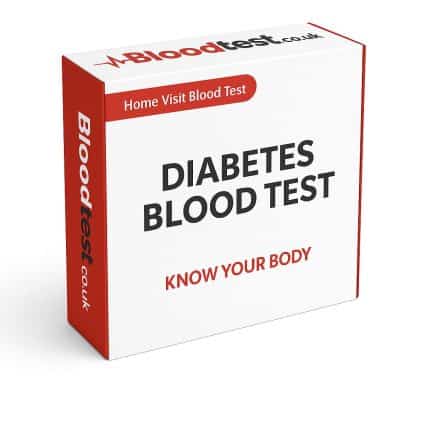

These blood tests are essential as they provide a detailed overview of an individual’s blood sugar levels. This information enables general practitioners (GPs) to make informed decisions regarding treatment strategies. For instance, if a patient exhibits symptoms suggesting diabetes, the outcomes from these blood tests can guide the doctor in recommending necessary lifestyle modifications or medications. The testing process is designed to be straightforward and accessible, ensuring that the residents of Wolverhampton receive prompt and effective healthcare tailored to their individual needs.
What Varieties of Diabetes Blood Tests Are Offered?
In Wolverhampton, numerous tests such as fasting plasma glucose and oral glucose tolerance tests are readily available. These tests are vital for both accurate diagnosis and effective management of diabetes, with results interpreted by local GPs to develop suitable treatment plans. The fasting plasma glucose test necessitates that patients fast for a minimum of 8 hours prior to the test. Following this fasting period, blood is collected to assess fasting glucose levels, providing a critical snapshot that is essential for diagnosing diabetes.
Another common test is the oral glucose tolerance test (OGTT). During this test, patients consume a sugary beverage, and their blood glucose levels are measured at intervals thereafter. This method is particularly effective in identifying insulin resistance, especially in individuals who may not yet display evident symptoms of diabetes. Healthcare professionals in Wolverhampton are well-acquainted with these testing methods, ensuring they can deliver precise diagnoses that lead to effective, patient-specific treatment approaches.
Why is Consistent Testing Essential for Diabetes Management?
Regular diabetes testing is crucial in preventing complications by consistently monitoring blood sugar levels. In the UK, it is generally recommended that at-risk groups undergo testing at least once a year. This proactive strategy facilitates early intervention, particularly through NHS resources available in Wolverhampton, ultimately leading to improved health outcomes. For individuals with a family history of diabetes or additional risk factors, ongoing monitoring becomes indispensable. Blood sugar levels can fluctuate significantly over time, and without routine testing, these variations may go unnoticed, resulting in serious health complications.
In Wolverhampton, NHS guidelines advocate for routine screenings, particularly for those over 40 or individuals with risk factors such as obesity. By committing to regular testing, patients can remain informed about their health, empowering them to make proactive decisions regarding their diet and lifestyle. This approach not only aids in effective diabetes management but also alleviates pressure on healthcare services by preventing complications that necessitate more intensive treatments.
How to Prepare Effectively for a Diabetes Blood Test in Wolverhampton?
What Key Steps Should You Follow for Preparation?
Prior to undergoing a diabetes blood test, it is crucial to fast for 8 to 12 hours and to avoid certain medications. In Wolverhampton, NHS guidelines suggest consulting with your GP for personalised advice to ensure that your preparation is straightforward and leads to reliable results. Adhering to these instructions closely is vital, as they guarantee that the test results accurately reflect your blood glucose levels.
Patients are generally advised to arrange their blood tests in the morning to accommodate overnight fasting. This is particularly significant for tests such as the fasting plasma glucose test, which aims to measure the baseline blood sugar level without the influence of recent food consumption. If you are taking medications that may affect your blood sugar levels, such as steroids or specific diuretics, it is advisable to consult with your doctor ahead of time. They may provide specific guidance on whether to continue or pause these medications prior to testing.
Are There Specific Dietary Guidelines to Follow Before Testing?
Yes, it is essential to refrain from consuming high-sugar foods before testing. In the UK, guidelines from bodies such as NICE recommend maintaining a balanced diet leading up to the test, a practice reinforced by clinics in Wolverhampton to ensure accurate glucose readings. Following a healthy, low-refined-sugar, low-carbohydrate diet is advisable to stabilise blood sugar levels before testing.
Additionally, staying hydrated is essential; patients should drink water and avoid sugary beverages. For those diagnosed with prediabetes or diabetes, concentrating on high-fibre foods can significantly aid overall blood sugar management. Local health services in Wolverhampton frequently offer educational resources to assist patients in identifying which foods to include or avoid in the lead-up to their tests. This knowledge empowers patients to actively engage in their health, fostering improved outcomes.
What Duration is Required for Preparation?
Preparation for a diabetes blood test typically spans a day, including the fasting period. In Wolverhampton, complying with NHS protocols ensures optimal results, enabling individuals to effectively manage their health. The fasting period is critical, as it allows for the most precise measurement of blood glucose levels.
Individuals should plan their testing judiciously to guarantee they can comfortably adhere to the fasting guidelines. For example, scheduling a test in the morning can simplify the fasting requirement, since it would necessitate skipping breakfast while still permitting a regular meal afterward. Wolverhampton’s healthcare services support patients in organising tests at convenient times, making the preparation process smoother and more manageable, ultimately leading to reliable test outcomes.
Professional Insights on Diabetes Blood Testing in Wolverhampton
What Recommendations Do Healthcare Specialists Offer?
It is essential to adhere to actionable advice based on expert insights, such as consulting with endocrinologists in Wolverhampton. Perspectives from UK health experts emphasise the significance of timely testing for enhanced diabetes control and provide expert analysis of patient outcomes. Specialists advocate that patients proactively engage with their healthcare providers when they have concerns regarding blood sugar levels or display symptoms of diabetes.
Scheduling regular check-ups and discussing any family history of diabetes can lead to timely interventions. In Wolverhampton, endocrinologists and diabetes specialists highlight the importance of early detection and management strategies tailored to individual patients’ needs. These strategies may involve lifestyle changes, nutritional counselling, or medication adjustments. By following these expert recommendations, patients can significantly improve their long-term health outcomes.
What Factors Contribute to Accurate Blood Test Outcomes?
Experts stress the importance of proper sample handling; in the UK, laboratories in Wolverhampton maintain high standards, with professionals providing guidance to avoid errors. Accurate results are paramount for effective diabetes management. Several factors influence the reliability of blood test results.
For instance, the timing of the test and strict adherence to fasting guidelines are crucial. Additionally, laboratory protocols must be meticulously followed to prevent contamination or improper sample handling. In Wolverhampton, local laboratories employ rigorous quality control measures, ensuring that each sample is processed under optimal conditions. This reflects the dedication of healthcare providers in the region to deliver precise results, which can significantly impact patient care decisions.
What Advantages Come with Seeking Professional Guidance?
Engaging with healthcare professionals ensures accurate interpretation of results; in Wolverhampton, NHS specialists provide tailored advice that enhances patient care through evidence-based strategies. The benefits of collaborating with healthcare professionals encompass receiving personalised management plans, understanding dietary adjustments, and effectively interpreting test results.
- Tailored advice based on individual health requirements
- Access to the latest diabetes management strategies
- Assistance in making lifestyle modifications
- Clarification of test results and their implications
- Opportunities for ongoing education about diabetes
- Coordination of care among various healthcare providers
These factors collectively contribute to improved patient outcomes, making it vital for individuals in Wolverhampton to seek professional guidance for effective diabetes management.
What Innovative Technologies are Shaping Diabetes Testing?
In Wolverhampton, health experts advocate leveraging cutting-edge technologies such as HbA1c analysers and point-of-care testing, which align with UK guidelines and enhance both the accuracy and speed of diabetes diagnosis. Recent advancements in diabetes testing technologies have transformed how healthcare providers diagnose and manage diabetes.
For example, point-of-care testing offers immediate results, which can be particularly advantageous in emergencies or when patients face mobility challenges. These devices are often utilised in local clinics throughout Wolverhampton, facilitating quicker decision-making in patient care. Furthermore, implementing HbA1c analysers provides a long-term perspective on blood sugar levels, aiding in formulating improved management strategies over time. With these innovations, patients can anticipate a more streamlined and efficient testing process, ultimately leading to enhanced health management.
What Support and Follow-Up Care is Available for Patients?
The NHS services in Wolverhampton offer comprehensive follow-up care after blood tests, with experts providing personalised diabetes management plans based on results. This ensures long-term health benefits through regular check-ins and lifestyle advice within the UK context. Once blood tests are completed, the follow-up process is crucial for patients to understand their results and the subsequent steps in their care journey.
Healthcare providers in Wolverhampton focus on fostering a supportive environment for patients while encouraging open communication regarding any concerns they may have. This may involve scheduled follow-up appointments to reassess blood sugar levels, modify medications, or discuss lifestyle changes. By offering ongoing support, local NHS services enable patients to maintain better control over their diabetes, significantly reducing the risk of complications associated with the condition.
What Symptoms Suggest the Need for a Diabetes Blood Test?
How Do Symptoms Vary Across Different Age Groups?
Symptoms such as increased thirst may vary significantly; in the UK, Wolverhampton GPs evaluate these based on age-specific NHS criteria, prompting tests for early detection of diabetes-related issues. Diabetes symptoms can manifest differently across various age demographics. For instance, younger individuals might experience more pronounced symptoms, including heightened thirst, frequent urination, and fatigue. In contrast, older adults may display subtler symptoms or attribute their signs to normal ageing, making them less likely to seek testing.
In Wolverhampton, healthcare providers receive training to recognise these age-related differences and to advise patients accordingly. Regular screenings for those over 40 or individuals with risk factors are vital to identify diabetes early, ensuring timely intervention and management. Awareness of these age-specific symptoms empowers individuals to seek testing and engage proactively with healthcare services.
When Should You Arrange for a Test?
If symptoms persist, it is vital to schedule a test without delay. In Wolverhampton, NHS services provide guidance on timing, ensuring quick access to blood tests for effective symptom management. Symptoms such as excessive thirst, unexplained weight loss, and persistent fatigue necessitate immediate medical attention. If these symptoms are present, arranging for a blood test as soon as possible is essential.
Local GPs in Wolverhampton are well-equipped to address questions regarding when to seek testing and to provide guidance on what to anticipate during the testing process. The earlier diabetes is detected, the more effectively it can be managed, thereby preventing long-term complications. NHS resources are readily available to ensure that residents can access necessary testing without significant delays, facilitating timely care.
What Other Symptoms Should You Be Aware Of?
Be vigilant for signs such as unexpected weight loss or fatigue; in the UK, health campaigns in Wolverhampton highlight these indications and encourage testing to address potential diabetes early. In addition to increased thirst and frequent urination, other concerning signs include unexplained weight loss and persistent fatigue. These symptoms can often be overlooked or dismissed as mere consequences of a busy lifestyle, yet they may signify underlying health issues, including diabetes.
Local health initiatives in Wolverhampton aim to raise awareness of these symptoms, encouraging residents to take proactive steps to monitor their health. Regular diabetes screenings are crucial, especially for those experiencing multiple symptoms or who belong to at-risk groups. By promoting education and awareness, healthcare providers in Wolverhampton strive to reduce the incidence of diabetes and its associated complications through early detection and intervention.
Research-Supported Advantages of Diabetes Blood Testing in Wolverhampton
How Does Early Detection Enhance Health Outcomes?
Early detection through blood tests significantly mitigates health risks; supported by UK research, Wolverhampton’s NHS employs this strategy to prevent complications. Identifying diabetes early via blood tests has been shown to markedly decrease the risk of serious complications, such as cardiovascular disease, nerve damage, and kidney failure. Research indicates that individuals diagnosed early tend to manage their condition more successfully, leading to improved long-term health outcomes.
In Wolverhampton, NHS practices emphasise early testing, particularly for individuals exhibiting risk factors. Actionable steps for patients include regularly monitoring symptoms, seeking immediate medical advice when concerns arise, and adhering to healthcare recommendations for routine testing. This proactive strategy is vital in effectively managing diabetes and maintaining overall health.
What Evidence Supports the Need for Routine Testing?
Studies consistently show that regular testing improves health outcomes; in the UK, data from Wolverhampton highlight the benefits, with experts advocating for routine checks. Evidence from various studies illustrates that individuals who undergo consistent diabetes testing are better positioned to manage their blood sugar levels effectively. Data gathered from local health services in Wolverhampton indicate a clear connection between routine testing and a reduction in complications among patients.
Health experts endorse regular monitoring as a preventive measure, noting that consistent testing enables timely interventions that can significantly alter patient trajectories. This evidence-based approach has fostered a culture of regular screenings within the local healthcare community, prioritising patient safety and effective disease management.
What Long-Term Health Improvements Can Be Anticipated?
Testing contributes to better management; ongoing research in the UK highlights Wolverhampton’s achievements in reducing diabetes rates, guiding patients with evidence-based care. Long-term health improvements are closely connected to consistent testing. In Wolverhampton, healthcare providers utilise test results to inform interventions for lifestyle modifications and medication management, resulting in positive health outcomes for patients.
Education regarding diet, exercise, and medication adherence plays a critical role in effective diabetes management. By equipping patients with the necessary resources and support, healthcare services in the region help reduce diabetes prevalence and promote healthier lifestyles.
- Regular monitoring of blood sugar levels.
- Timely adjustments to treatment plans.
- Enhanced patient education regarding lifestyle changes.
- Reduced risk of complications through early interventions.
- Increased patient engagement in health management.
These strategies collectively contribute to long-term improvements in health and well-being.
What Are the Economic Benefits of Regular Diabetes Testing?
UK research emphasises how routine blood tests for diabetes in Wolverhampton reduce healthcare costs by facilitating early treatment, preventing costly complications, and optimising resource allocation within the NHS. The economic implications of regular diabetes testing are substantial. By identifying diabetes early, healthcare providers can implement interventions that avert the onset of more serious health complications, which are often expensive to manage.
Studies indicate that proactive screenings can decrease hospital admissions, emergency interventions, and extended treatments, leading to significant cost savings for the NHS. Local health authorities in Wolverhampton stress the importance of funding and supporting these testing initiatives, highlighting the benefits not only for individual health but also for the sustainability of the healthcare system as a whole. Such economic insights underscore the need for ongoing investment in diabetes prevention and management strategies within the community.
Where Can You Access Diabetes Blood Tests Across the UK?
What Local Clinics Provide Testing Services?
Numerous NHS clinics in Wolverhampton offer diabetes testing; these facilities ensure easy access, with appointments available for online booking for convenient diabetes screening. Residents can find various NHS clinics in Wolverhampton that specialise in diabetes testing and management. These centres are equipped to conduct a wide range of blood tests and provide comprehensive support throughout the process.
In addition to traditional clinics, many local pharmacies also provide diabetes screening services. This level of accessibility guarantees that residents can receive timely testing, which is essential for proactive diabetes management. The convenience of online appointment scheduling further enhances access, making it simpler for individuals to prioritise their health without unnecessary delays.
What is the Process for Booking an Appointment?
Booking an appointment involves contacting your GP or utilising NHS apps; in Wolverhampton, options are streamlined, ensuring quick access to essential blood tests. Individuals can schedule a diabetes blood test through various methods, providing flexibility for patients. They may reach out directly to their GP’s office to book a test, allowing for personalised discussions regarding their health.
Additionally, the NHS offers user-friendly apps that enable patients to book appointments online, check availability, and receive reminders. In Wolverhampton, this streamlined process is designed to facilitate timely screenings, ensuring individuals can access necessary care with minimal hassle.
- Visit your GP’s website or contact their office.
- Utilise the NHS app to search for available appointments.
- Consult local pharmacies for testing options.
- Follow specific instructions provided by your healthcare provider.
These steps ensure that patients can confidently access the services they require.
Is Home Testing a Practical Option?
Home testing kits are accessible with professional guidance; in the UK, Wolverhampton pharmacies supply these kits, but professional follow-up is advisable to ensure accuracy. Home testing kits are becoming increasingly available, allowing individuals to conveniently monitor their blood sugar levels. However, it is crucial to utilise these kits correctly to guarantee accurate results.
Pharmacies in Wolverhampton often provide access to these kits, along with instructions on their proper use. While home testing can be beneficial for regular monitoring, it is essential to maintain regular check-ups with healthcare professionals for comprehensive diabetes management. This combination of home testing and professional oversight helps ensure that patients remain well-informed and proactive in effectively managing their diabetes.
What is the Procedure for Diabetes Blood Testing?
What Happens During the Test?
The process includes a swift blood draw; in Wolverhampton, trained staff adhere to NHS protocols, making it a straightforward procedure for patients. Upon arrival for a diabetes blood test, trained phlebotomists will perform a quick blood draw, usually from the arm. This procedure is typically uncomplicated and takes only a few minutes.
Patients may be seated comfortably during the blood draw to ensure they remain relaxed throughout the process. Staff at Wolverhampton clinics are well-trained to address any concerns individuals may have during this process, providing reassurance and support. After the blood is drawn, samples are sent to the laboratory for analysis, with results typically available within a few days.
How Are the Results Processed?
Results are analysed in accredited laboratories; in the UK, Wolverhampton services ensure a fast turnaround, with GPs discussing findings to aid treatment decisions. Once blood samples are collected, they undergo analysis in certified laboratories that adhere to strict quality control measures. The results typically reflect blood glucose levels and other relevant metrics, depending on the specific type of test conducted.
In Wolverhampton, the turnaround time for test results is generally prompt, enabling GPs to discuss findings with patients quickly. This timely feedback is critical for effective diabetes management as it allows healthcare providers to adjust treatment plans or dietary advice based on the most current data. Patients can expect clear, concise communication from their healthcare providers regarding their results and the subsequent steps in their care.
What Follow-Up Care is Necessary After Testing?
After the test, it is important to review the results with your doctor; in Wolverhampton, NHS teams offer supportive care, aiding in effectively managing any diagnosed issues. After receiving test results, patients need to schedule a follow-up appointment with their GP to discuss the implications. This consultation facilitates a comprehensive review of the findings and enables the development of a tailored management plan.
Wolverhampton’s NHS services prioritise patient support, ensuring individuals understand their results and have access to the resources they need to manage their diabetes effectively. Whether it involves lifestyle changes, medication adjustments, or further testing, healthcare providers are dedicated to helping patients navigate their diabetes journey with confidence and clarity.
How to Interpret Results from Diabetes Blood Tests?
How Can You Understand Your Results?
Results indicate glucose levels; in the UK, Wolverhampton experts clarify these, guiding lifestyle changes based on the findings. Understanding the results of a diabetes blood test is vital for effective management. Generally, results will indicate whether blood sugar levels fall within normal ranges, are pre-diabetic, or indicate diabetes.
In Wolverhampton, healthcare providers take the time to explain these results to patients, ensuring they fully comprehend the implications of the numbers. For example, an HbA1c level of 6.5% or higher typically signifies diabetes, while levels ranging from 5.7% to 6.4% suggest prediabetes. This interpretation is crucial, as it informs subsequent management steps, which may include lifestyle changes, dietary modifications, or medication adjustments.
What Steps Should Be Taken Following the Test?
Based on test results, patients may need to adjust their diet or medication; in Wolverhampton, NHS plans outline these actions to support ongoing health monitoring. Following a diabetes blood test, the next steps will largely depend on the results obtained. If levels are higher than normal, GPs in Wolverhampton will recommend specific changes, which may involve dietary modifications such as decreasing sugar intake and increasing physical activity.
In certain cases, medication may be prescribed to assist in managing blood sugar levels. Patients need to engage actively in this process, asking questions and seeking clarification on the best strategies for managing their condition. Ongoing communication with healthcare providers ensures that any necessary adjustments to treatment plans can be implemented promptly, thereby supporting long-term health.
What Long-Term Management Strategies Should Be Employed?
Strategies include regular checks; in the UK, Wolverhampton offers resources to help maintain control and prevent the progression of diabetes. Long-term management of diabetes necessitates a proactive and comprehensive approach. Regular blood checks remain essential for monitoring progress and making necessary adjustments to treatment plans.
Patients are encouraged to set realistic goals concerning dietary habits, physical activity, and adherence to prescribed medications. Resources available in Wolverhampton, including educational workshops and support groups, provide critical information and encouragement to maintain healthy habits. By utilising these local services, individuals with diabetes can remain informed, empowered, and engaged in their health journey, ultimately leading to improved management and a better quality of life.
Frequently Asked Questions
What is the Normal Range for Diabetes Blood Tests?
The normal range for fasting blood sugar is typically between 4.0 and 5.4 mmol/L, while a normal HbA1c result usually falls below 42 mmol/mol. Results exceeding these ranges may indicate prediabetes or diabetes.
How Often Should Individuals at Risk Be Tested?
For those at risk of diabetes, it is generally recommended to have blood sugar levels tested at least once a year. Individuals with heightened risk may require more frequent testing as advised by their healthcare provider.
Can You Eat Before a Diabetes Blood Test?
For fasting blood tests, it is crucial to fast for 8 to 12 hours beforehand. However, drinking water is typically allowed unless otherwise instructed by your healthcare provider.
What Actions Should Be Taken If Results Are High?
If your results indicate elevated blood sugar levels, consult your GP for a comprehensive health review and a discussion regarding possible lifestyle changes or medications to help manage your diabetes effectively.
Are Home Testing Kits Reliable?
Home testing kits can yield accurate results if used correctly, but it is essential to follow the provided instructions carefully. Regular follow-ups with a healthcare provider are recommended to ensure effective diabetes management.
What Lifestyle Changes Can Aid in Managing Diabetes?
Key lifestyle changes that can help manage diabetes effectively include maintaining a balanced diet, engaging in regular physical activity, consistently monitoring blood sugar levels, and adhering to prescribed medications.
Is Diabetes Testing Offered at Local Pharmacies?
Yes, many pharmacies in Wolverhampton offer diabetes testing services, including blood sugar tests and consultations surrounding diabetes management.
What Can Be Expected During a Diabetes Blood Test?
During a diabetes blood test, a healthcare professional will draw a small amount of blood, typically from your arm. The procedure is quick and usually involves minimal discomfort for the patient.
How Long Does It Take to Receive Results?
Results from diabetes blood tests are typically available within a few days, depending on the laboratory and the specific test performed.
What Should You Do If You Miss Your Testing Appointment?
If you miss your appointment, contact your healthcare provider as soon as possible to reschedule. Regular testing is essential for effective management of diabetes.
Join the conversation on Facebook!

This Article Was First Found On https://bloodtest.co.uk

Post navigation
Previous Post
 Woocommerce Setup for Small Businesses in Winchcombe