Explore Effective Sedation Solutions for Travelling Pets
Discover Popular Sedatives for Pets During Travel

For pet owners aiming to provide a stress-free travel experience for their anxious companions, the use of sedatives, particularly benzodiazepines, has proven to be significantly effective in alleviating anxiety. These medications work by altering neurotransmitter activity within the brain, which in turn reduces the stress responses that pets typically exhibit during travel. Well-known tranquilizers like Diazepam and Acepromazine are frequently chosen by pet owners due to their established effectiveness in real-world travel situations. By selecting the most appropriate sedative for your pet, you can enhance their travel experience considerably, resulting in a more enjoyable journey for both you and your furry friend.
How Do Sedatives Function in Pets to Alleviate Anxiety?
Grasping the functionality of sedatives is essential for all responsible pet owners. These medications directly interact with a pet’s nervous system to help mitigate anxiety, fostering relaxation without inducing complete unconsciousness, which is particularly important for comfort during travel. Owners can assess the effectiveness of these sedatives by observing behavioural indicators, such as calmness, responsiveness, and overall attitude. If a pet appears excessively drowsy or uncoordinated, this may indicate that the dosage needs adjustment to ensure optimal safety and comfort.
Ensuring Safe Administration of Sedatives for Your Pet
To safely administer sedatives, it is imperative to consult a veterinarian prior to travel in order to determine the most appropriate dosage tailored to your pet’s unique requirements. Careful monitoring of the dosage is crucial to avoid potential adverse effects whilst on the move. Important precautions to consider include:
- Always follow the veterinarian’s prescription meticulously.
- Observe your pet’s reactions closely after administering the medication.
- Refrain from giving additional doses without professional guidance.
- Keep emergency contact details readily available throughout your travels.
By implementing these precautions, you can ensure a less stressful journey for anxious pets, ultimately enhancing their overall well-being and comfort.
Understanding the Possible Side Effects of Sedatives in Pets
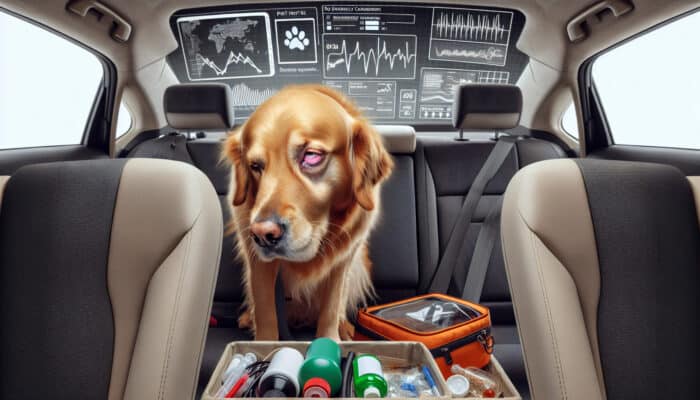
While sedatives are effective in reducing anxiety, they can also lead to side effects, including drowsiness, nausea, or coordination issues. These side effects can significantly affect a pet’s safety during travel, making it critical for owners to remain vigilant. It is necessary to monitor pets for these signs, and any required dosage adjustments should only be carried out under the guidance of a veterinarian. Establishing an emergency plan will ensure a secure and comfortable journey for pets experiencing adverse reactions, enabling owners to respond promptly should any issues arise.
Exploring Natural Alternatives to Conventional Sedation for Pets
If you are in search of alternatives to traditional sedatives, consider herbal supplements or pheromone collars, which provide natural avenues to soothe anxious pets during travel. These alternatives create a calming environment and offer gentle anxiolytic effects, allowing pet owners to choose options that best meet their pet’s needs while aligning with veterinary advice. By assessing both natural and pharmaceutical methods, owners can tailor their approach to address their pet’s unique anxiety triggers, resulting in a more relaxed travel experience.
How to Choose the Most Suitable Sedation Method for Your Pet?
Essential Factors to Consider When Selecting Sedation for Pets

When determining the most appropriate sedation method for your pet, it is crucial to consider several factors. Evaluating aspects such as your pet’s health status, the severity of their anxiety, and the length of travel can help to minimise risks and enhance comfort. For example, a highly anxious dog may require a stronger sedative during an extended flight, while a more relaxed pet might manage well with a milder option. Customising sedation choices to meet the individual needs of each pet is vital for effective anxiety management and their overall well-being.
What Are the Key Signs of Anxiety in Pets?
Recognising signs of anxiety in pets is critical for understanding when sedation may become necessary. Common behaviours that indicate discomfort include panting, hiding, excessive barking, or restlessness. By closely monitoring these signs, pet owners can take early intervention steps, which may help reduce the need for sedation. Employing observation techniques, such as looking for shifts in body language or vocalisations, allows owners to identify the right moment to seek sedation or alternative calming strategies, ensuring their pet’s comfort throughout the travel experience.
Why Is It Important to Consult Veterinary Professionals for Sedation Guidance?
Engaging with a veterinarian is crucial when considering sedation options, as they can provide tailored advice based on your pet’s unique requirements. This ensures that the selected sedation methods are appropriate for your pet’s health and anxiety levels, significantly reducing the risk of complications during travel. By discussing personalised travel plans with a veterinarian, pet owners can assess relevant risks and select an appropriate sedation strategy that prioritises their pet’s comfort and well-being throughout the journey.
Gain Expert Insights into Sedation Techniques for Anxious Pets
Implementing Advanced Sedation Techniques for Optimal Travel Experiences
Veterinary professionals often recommend advanced techniques that combine sedation with behavioural training to effectively manage pet anxiety during travel. For example, some clinics have successfully integrated mild sedatives with positive reinforcement training, assisting pets in understanding that travelling can be a safe and enjoyable experience. These customised approaches can greatly enhance a pet’s journey while alleviating anxiety, drawing from practical examples within veterinary practices that demonstrate their effectiveness and successful implementation.
How to Effectively Monitor Your Pet After Sedation Administration?
Monitoring a pet’s response post-sedation is essential to prevent over-sedation and ensure safety throughout the travel experience. Experts advise that pet owners keep a detailed record of their pets’ behaviour following sedation, observing any changes in mood or physical coordination. Actions such as noting how long the sedative lasts and identifying any adverse effects can help inform future medication choices and dosages. This proactive strategy leads to safer and more enjoyable travel experiences, as owners can better anticipate and address their pets’ needs.
Considering Long-Term Implications of Regular Sedation Use
Veterinary specialists emphasise the importance of recognising potential long-term effects associated with frequent use of sedation. Continuous administration can sometimes lead to dependency, making it essential for pet owners to adopt balanced strategies for repeated travel scenarios. Long-term management strategies may include:
- Utilising non-sedative calming techniques.
- Regular consultations with a veterinarian to adjust travel plans as necessary.
- Gradually desensitising pets to travel-related stimuli.
- Monitoring for behavioural changes during and after travel.
By employing these strategies, pet owners can support their animals’ well-being over time, fostering a more positive travel experience.
Selecting the Right Sedative Tailored to Pet Characteristics
Choosing the ideal sedative requires a careful evaluation of a pet’s breed, age, and medical history to effectively reduce anxiety during travel. Dogs and cats may respond differently to various medications, underscoring the importance of understanding their individual needs. For instance, older pets might necessitate lower doses due to slower metabolic rates, while specific breeds may exhibit heightened sensitivity to side effects. Avoiding common pitfalls, such as allergic reactions, is essential for ensuring a safe and effective travel experience for pets.
Exploring Non-Sedation Alternatives and Complementary Therapies for Anxious Pets
Veterinary experts encourage pet owners to explore non-sedation alternatives, including pheromone diffusers or natural calming supplements, as viable methods to address anxious behaviours in pets. These options can diminish reliance on medications while promoting long-term comfort during travel. Strategies like desensitisation training can also play an essential role. By integrating natural therapies with behavioural strategies, pet owners can facilitate a more peaceful travel experience without the need for pharmacological intervention, ultimately enhancing their pet’s overall health and happiness.
What Are the Risks Associated with Sedation for Pets?
Identifying Common Side Effects of Sedatives
The use of sedatives carries various risks, including common side effects such as drowsiness or allergic reactions, which can negatively affect a pet’s travel experience if not properly managed. Pet owners should be well-informed about these potential outcomes, enabling them to take necessary precautions to mitigate risks effectively. Establishing a proactive approach that prioritises health, including having emergency contacts readily accessible, is vital for ensuring a safer travel experience for anxious pets.
How Can You Identify Complications While Travelling?
Prompt recognition of potential complications is essential for preventing serious health issues when travelling with anxious pets. Warning signs such as irregular breathing, excessive drooling, or sudden shifts in behaviour should trigger immediate action from the owner. By remaining vigilant and closely observing their pets, owners can swiftly address any unexpected problems that may arise during travel. Understanding these symptoms equips owners to respond effectively, safeguarding their pet’s health and comfort throughout the journey.
What Alternatives Can Help Mitigate Risks Associated with Sedation?
For pet owners who are hesitant about using sedatives due to the associated risks, exploring non-sedative alternatives can lead to safer strategies for managing anxiety. Natural calmers, for instance, have gained popularity as effective substitutes for conventional medications, without the inherent risks. Evaluating the pros and cons of various approaches enables owners to make informed decisions, ensuring that their pets receive the best possible care during travel while minimising unnecessary exposure to potential medication side effects.
Research-Backed Advantages of Sedation Options for Anxious Pet Travellers
Evidence Demonstrating the Effectiveness of Sedation
Research indicates that sedation effectively reduces stress hormone levels in pets, thereby enhancing their overall tolerance and well-being during travel. Numerous studies have highlighted the advantages of utilising sedatives to facilitate smoother travel experiences for anxious animals. Expert analyses underscore the significance of understanding these findings, as they can guide pet owners in making educated decisions regarding their pets’ travel needs and the available sedation options, ultimately leading to a more enjoyable journey.
Improving Pet Comfort Through Effective Sedation Practices
Administering sedation to anxious pets considerably enhances their overall comfort during travel, significantly lowering the likelihood of injury or escape in high-stress situations. Controlled studies have demonstrated that sedated pets often exhibit reduced stress levels, resulting in better behavioural outcomes. Consequently, pet owners are encouraged to contemplate the potential benefits of sedation as part of their travel planning, ensuring a more comfortable experience for their cherished companions.
When Do the Benefits of Sedation Clearly Exceed the Risks?
Identifying circumstances in which the benefits of sedation clearly outweigh the associated risks is critical for responsible pet ownership. Common scenarios include long-distance flights, stressful car rides, or situations where pets display extreme anxiety. In these instances, sedation can significantly enhance the travel experience, prompting pet owners to carefully assess the advantages and disadvantages. The following contexts illustrate when sedation may be most effective:
- Extended travel periods during which pets exhibit excessive anxiety.
- Transport in crowded or noisy environments.
- Travel involving unfamiliar locations or alterations to routine.
- Visits to the veterinarian or other stressful destinations.
Being aware of these contexts aids owners in making informed decisions about their pets’ travel needs and plans.
Examining Long-Term Effects of Sedation on Pets
Research reveals that when administered appropriately, suitable sedation for anxious pet travellers results in minimal long-term behavioural changes. Studies indicate that pets generally recover swiftly from sedatives without significant health repercussions, making it essential for owners to monitor their pets closely and maintain optimal dosing. Ongoing assessment allows for adjustments based on each pet’s unique reactions to sedation, further supporting their well-being during frequent travel.
Understanding Veterinary Guidelines for Safe Sedation Administration
Veterinary research offers critical guidelines for the administration of sedatives, including specific dosage recommendations based on a pet’s size, health, and anxiety levels. Adhering to these best practices maximises the benefits while minimising side effects, ultimately enhancing pet owners’ confidence in managing their pets throughout travel. A comprehensive understanding of these guidelines significantly assists owners in preparing their pets for stress-free journeys, ensuring a smoother travel experience overall.
When Should You Avoid Sedation for Your Pet?
Recognising Underlying Health Conditions That May Affect Sedation
Certain medical conditions can render sedation contraindicated, increasing risks for some pets during travel. For example, pets with respiratory or cardiac issues may experience adverse reactions to sedative medications. Pet owners must collaborate closely with a veterinarian to evaluate any underlying health concerns and, when necessary, abstain from sedation, thereby ensuring the safety of at-risk animals during travel and providing peace of mind for their owners.
Age-Related Considerations Impacting Sedation Decisions
Age has a significant impact on how pets respond to sedation. Young or elderly animals may react unfavourably to sedatives, making it prudent to avoid their use in such situations. Factors influencing decisions include a pet’s overall health, weight, and specific behavioural tendencies. Pet owners should carefully weigh these aspects to protect their pets’ well-being during trips, ensuring they remain safe and comfortable throughout the journey.
Investigating Non-Medical Alternatives to Sedation
Opting for non-medical methods, such as pheromone diffusers, can often offer a safer and more effective solution than sedation for mild anxiety issues. These alternatives help to ensure pet comfort without resorting to medications. By evaluating both pharmaceutical and non-pharmaceutical options, owners can make informed choices tailored to their pets’ anxiety levels, fostering a calmer travel experience that prioritises their pets’ health and happiness.
Proven Strategies for Preparing Your Pet for Travel
Creating a Consistent Travel Routine to Ease Anxiety
Establishing a consistent travel routine can significantly reduce anxiety levels in pets, making sedation less necessary over time. Gradual exposure to various travel elements, including car rides, crate training, and visits to unfamiliar environments, aids pets in adapting and building confidence. Step-by-step preparation strategies involve commencing with brief trips and progressively increasing duration, enabling pets to acclimatise to different travel scenarios and conditions, ultimately resulting in a more positive travel experience for both pets and their owners.
Critical Items to Pack for Travelling with Sedated Pets
When travelling with sedated pets, it is imperative to pack essential items carefully to ensure a smooth and comfortable journey. Including necessities such as water, familiar blankets, and monitoring tools can help maintain a pet’s well-being despite the effects of sedation. Practical organisation tips may include creating a checklist, keeping all items easily accessible during the trip, and ensuring that everything needed for a calm journey is within reach, thereby contributing to a more organised travel experience.
Post-Travel Recovery Recommendations for Sedated Pets
After travelling with a sedated pet, allowing sufficient time for recovery is crucial for maintaining their health. Strategies for post-travel recovery may involve providing a tranquil, comfortable space for the pet to rest, ensuring they have access to water, and monitoring for any lingering effects of sedation. Establishing best practices for recovery guarantees that pets can recuperate effectively, leading to healthier travel experiences in the future and promoting their overall well-being.
Why Consulting a Veterinarian About Sedation Is Essential
Prior to embarking on travel, it is vital to consult a veterinarian to determine whether sedation is necessary for your pet, based on their anxiety levels and overall health. During this consultation, discuss available options, potential risks, and alternative strategies such as behavioural training. Formulating a clear plan for administering and monitoring sedation throughout the journey is key to ensuring a safe and comfortable experience for both the pet and the owner, thus facilitating a smoother travel process.
Frequently Asked Questions Regarding Pet Sedation
What are the safest sedatives for pets during travel?
Commonly safe sedatives include benzodiazepines such as diazepam and acepromazine. Always consult a veterinarian to determine the best option based on your pet’s health and travel needs, ensuring their safety and well-being.
How can I identify signs of anxiety in my pet during travel?
Indicators of anxiety in pets may encompass excessive barking, panting, hiding, or restlessness. Observing these behaviours can help you determine when sedation might be necessary, allowing for timely intervention.
What are effective methods for preparing my pet for travel?
Gradually exposing your pet to travel conditions, establishing a consistent routine, and practising short trips can help acclimatise your pet and alleviate anxiety before embarking on longer journeys.
Are there natural alternatives available to sedation?
Indeed, options such as pheromone diffusers, herbal supplements, and behavioural training techniques offer natural alternatives to traditional sedatives for anxious pets, promoting calmness without medication.
What should I pack for a sedated pet during travel?
Essentials include water, familiar bedding, monitoring tools, and any necessary medications. Keeping items organised and easily accessible is crucial for a smooth trip, ensuring you have everything your pet needs.
How do sedatives function in pets?
These medications interact with a pet’s nervous system to lower anxiety levels and promote relaxation without inducing full unconsciousness, thus making travel more comfortable for your furry friend.
How long do sedatives generally take to become effective?
Typically, sedatives start to take effect within 30 minutes to an hour after administration, although this timeframe can vary based on the specific medication and the pet’s metabolic rate.
What risks accompany the use of sedatives?
Potential risks include drowsiness, nausea, and coordination difficulties. It is essential to closely monitor your pet for any adverse reactions during travel to ensure their safety at all times.
When should I abstain from sedating my pet?
Sedation should be avoided in pets with certain health conditions, young or elderly animals, and in situations where non-medical alternatives may suffice, such as mild anxiety.
How can I effectively monitor my pet after sedation?
Keep an eye out for signs of over-sedation, such as excessive drowsiness or lack of coordination, and maintain a record of any observed effects for future reference to ensure their safety.
Join our community on Facebook today!
The Article Sedation Options for Anxious Pet Travelers: Expert Choices First Published On https://elgatoencasa.com
The Article Sedation Options for Anxious Pets: Expert Recommendations Was Found On https://limitsofstrategy.com