Explore the Essential Functions of Airports in Modern Travel
What is the core purpose of airports in air travel?

Airports serve as critical hubs for air travel, facilitating the movement of passengers and cargo across extensive distances with precision and care. They are meticulously designed to streamline the travel journey, from check-in through to boarding, while prioritising safety and operational efficiency. The fundamental roles of airports encompass managing flight arrivals and departures, providing essential infrastructure for airlines, and offering a variety of services to travellers. Moreover, airports significantly contribute to both local and global economies by connecting different regions and enhancing trade opportunities. For instance, prominent airports like Los Angeles International Airport (LAX) and Heathrow (LHR) leverage advanced scheduling systems to optimise operations, effectively reducing wait times and improving the overall flow of air traffic.
The daily operations at airports involve a sophisticated interplay of logistics and coordination. Air traffic control plays a crucial role in guiding aircraft during their approach while ground staff diligently handle baggage to ensure timely transfers. On a typical day, LAX manages hundreds of flights utilising cutting-edge technology to maintain safety and efficiency within congested airspace. This includes real-time communication systems that facilitate constant dialogue between pilots and ground control, ensuring that all flights are well-coordinated and secure. These behind-the-scenes operations underscore how airports remain committed to providing efficiency and security, thus creating a seamless travel experience for all passengers.
- Airports facilitate air travel efficiently.
- They connect regions and enhance trade.
- Major airports use advanced scheduling systems.
What key components shape airport infrastructure?
The infrastructure of an airport comprises several essential components that collectively maintain operational flow and enhance the user experience. One of the most vital elements is the terminal building, where travellers check in, undergo security checks, and board their flights. Terminals are often designed with passenger comfort as a priority, featuring amenities such as lounges, restaurants, and retail shops. A prime example is Singapore Changi Airport, which is famous for its luxurious lounges and tranquil environments that provide travellers with a delightful pre-flight experience, thereby significantly elevating their overall journey.
Additionally, runways represent another foundational aspect of airport infrastructure. They must be meticulously maintained and engineered to accommodate an array of aircraft sizes and weights. The dimensions and surface materials of runways are critical in ensuring safe takeoffs and landings. Take, for instance, the expansive runway at Hartsfield-Jackson Atlanta International Airport (ATL), which ranks among the busiest in the world. The careful planning of such runways allows for a high volume of air traffic while significantly reducing the risk of incidents, thereby contributing to overall operational safety.
- Terminals enhance passenger comfort.
- Runways are crucial for safe operations.
- Airports include taxiways and boarding gates.
Moreover, taxiways and boarding gates are integral components of airport infrastructure. Taxiways allow for the safe movement of aircraft on the ground, connecting runways with terminals and other operational facilities. Boarding gates serve as the final departure point for travellers, equipped with jet bridges or shuttle buses to facilitate the boarding process. Each of these elements works together seamlessly to ensure that the airport operates efficiently and effectively, akin to a well-oiled machine, creating an environment that supports smooth transitions for all passengers.
What vital services do airports offer to travellers?
Airports provide a wide array of essential services that significantly enhance traveller convenience and operational efficiency. These offerings include:
- Check-in services that streamline passenger processing.
- Security screenings to ensure safety and compliance.
- Baggage handling, which manages the transfer of luggage.
- Information desks providing guidance and assistance.
- Duty-free shopping and dining options for passengers.
- Transportation services connecting airports to nearby cities.
- Emergency medical services for urgent health needs.
- Lounge access for comfort and relaxation pre-flight.
The check-in process often marks the first interaction passengers have with an airport, setting the tone for their entire travel experience. Self-service kiosks and online check-in options have transformed this process, enabling travellers to bypass lengthy lines and proceed directly to security. While security screenings may sometimes be perceived as inconvenient, they are crucial for upholding trust in air travel. These screenings utilise advanced technology to identify potential threats while minimising disruptions to passenger flow, thereby maintaining safety without compromising efficiency.
Baggage handling constitutes another critical service, with millions of luggage pieces processed each day. Efficient baggage management systems employ conveyor belts and tracking technologies to ensure that each bag reaches its intended destination. Furthermore, information desks are vital in assisting passengers with inquiries, providing flight information, and offering local navigation assistance. By offering these essential services, airports significantly enhance the traveller experience and operational reliability, reinforcing the importance of effective airport management and customer service.
How is Airport Security Implemented and Managed?
What procedures are involved in airport security checks?
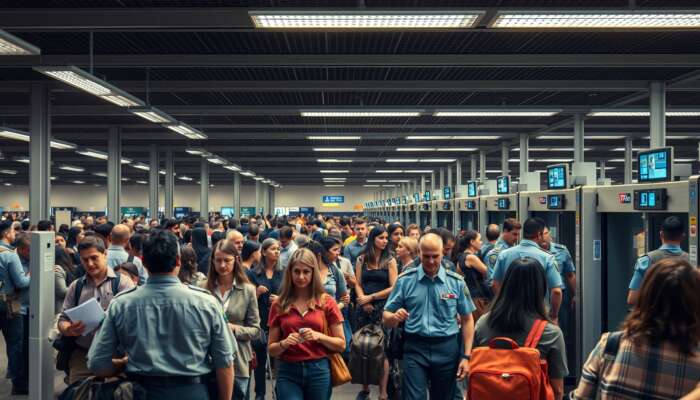
Airport security is a comprehensive, multi-layered process designed to safeguard the well-being of passengers and airport staff. Common procedures commence with the check-in phase, during which travellers present their identification and flight details. This step is crucial for verifying the identities of travellers and preventing unauthorised access to secure areas within the airport, thus enhancing overall safety and security.
Following check-in, passengers proceed to security screening, where they undergo a series of checks. This typically includes the use of metal detectors and body scanners designed to ensure that no prohibited items are brought onto the aircraft. Additionally, travellers must place their carry-on luggage through X-ray machines, allowing security personnel to inspect the contents for any dangerous items. The introduction of advanced screening technologies, such as automated threat detection systems, has significantly improved the efficiency and accuracy of these processes, contributing to a heightened sense of safety for all.
- Security checks ensure passenger safety.
- Advanced technologies enhance screening efficiency.
- Collaboration with law enforcement bolsters security.
Furthermore, airport security personnel play a critical role in maintaining a secure environment. These professionals, trained to identify suspicious behaviour, continuously monitor the screening area and surrounding environments. The collaboration with law enforcement and intelligence agencies further strengthens security measures, enabling airports to respond effectively to potential threats. By adhering to strict security protocols and utilising modern technologies, airports create a safe travel atmosphere that fosters passenger confidence and satisfaction.
What challenges confront airport operations today?
Airport operations encounter numerous challenges that can affect overall functionality and the passenger experience. A prevalent issue is flight delays, which can stem from various factors including adverse weather conditions, air traffic congestion, and technical malfunctions. For example, during peak travel seasons, airports may experience heightened demand that can overwhelm resources, leading to longer wait times for travellers. Airports such as JFK in New York often deploy enhanced scheduling algorithms to optimise flight departures and arrivals, which helps alleviate some of the congestion.
Another significant challenge lies in maintaining security without sacrificing efficiency. Security screenings can be time-consuming, particularly during busy hours, which may lead to frustrated travellers. Airports are constantly seeking innovative solutions, such as automated screening lanes and expedited security programs for frequent flyers, to address these challenges. Implementing such solutions can help reduce wait times while ensuring that security measures remain intact and effective, thereby enhancing the overall travel experience.
- Flight delays can cause passenger frustration.
- Innovative solutions help improve efficiency.
- Economic fluctuations impact airport operations.
Economic fluctuations also pose significant challenges for airport operations. Variations in fuel prices, economic downturns, and changes in travel patterns can significantly affect airlines and, by extension, airport revenue. Airports must adapt by diversifying their revenue sources, such as investing in retail and dining options, to maintain financial stability. These efforts not only enhance the airport’s financial health but also improve the overall experience for travellers, fostering a more resilient operational environment.
What cutting-edge innovations are enhancing airport efficiency?
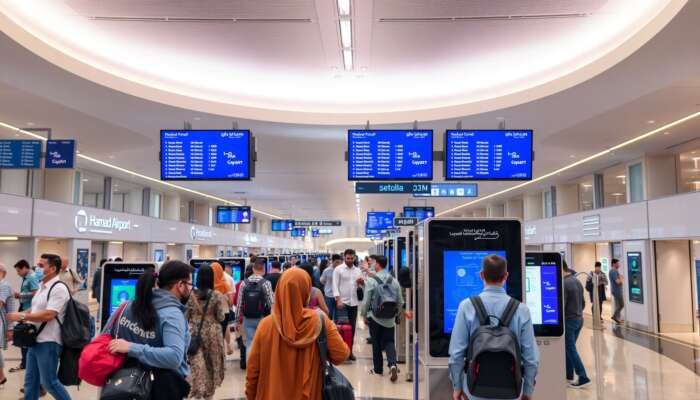
Technological innovations and operational advancements are significantly transforming airport efficiency, leading to a more seamless travel experience for passengers. One major advancement is the implementation of biometric screening technologies. These systems utilise facial recognition and fingerprint scanning to expedite the check-in and boarding processes, effectively reducing wait times while enhancing security. Airports such as Hamad International Airport in Qatar have successfully adopted these technologies, demonstrating the potential to achieve rapid processing without compromising safety or security.
Another significant innovation involves the use of data analytics for optimising airport operations. By analysing passenger flow and flight schedules, airports can make informed decisions regarding resource allocation, staffing, and scheduling. This data-driven approach leads to improved operational efficiency and a better understanding of passenger needs. For example, airports can anticipate peak travel times and adjust staffing levels accordingly to ensure a smooth traveller experience, significantly reducing congestion and improving service delivery.
- Biometric technologies expedite passenger processing.
- Data analytics optimise resource allocation.
- Sustainable practices enhance operational efficiency.
Sustainability initiatives are also gaining traction within airport operations. Efforts such as adopting electric ground transportation, implementing energy-efficient systems, and utilising renewable energy sources are becoming more common. Airports like San Francisco International Airport (SFO) are taking the lead in green initiatives, showcasing how sustainable practices can improve operational efficiency while reducing environmental impact. These innovations not only streamline processes but also position airports as pioneers in modern travel solutions, setting a benchmark for future developments.
How Can Advanced Management Techniques Optimise Airport Operations?
How do integrated management systems enhance airport functionality?
Effective airport management involves a variety of sophisticated techniques aimed at optimising daily operations. Implementing integrated management systems is essential for streamlining functions, enabling real-time monitoring of flight schedules, passenger flow, and resource allocation. By leveraging software systems that automate these processes, airports can reduce human error and bolster operational efficiency, ensuring a smoother experience for both staff and travellers.
Additionally, incorporating Lean principles into airport management can dramatically enhance performance. Lean methodology focuses on eliminating waste and maximising value for travellers. For instance, airports can analyse processes such as baggage handling and security screenings to pinpoint areas needing improvement. Continuous feedback loops from staff and passengers can yield valuable insights, leading to actionable changes that elevate the overall travel experience, ensuring that operations remain agile and responsive to passenger needs.
- Integrated management systems enhance efficiency.
- Lean principles focus on maximising value.
- Continuous feedback improves operational processes.
Furthermore, establishing training and development programmes for airport staff is crucial to uphold high service standards. Investing in ongoing training ensures that personnel possess the latest skills and knowledge to tackle evolving challenges. This approach fosters a culture of excellence where staff members are empowered to contribute actively to operational improvements. By embracing these advanced management techniques, airports can significantly enhance their reliability, efficiency, and overall service quality, creating a positive environment for all stakeholders involved.
What strategies are effective for improving airport user satisfaction?
Enhancing airport user satisfaction is vital for creating a positive travel experience. One effective strategy involves implementing customer feedback mechanisms, such as surveys and suggestion boxes. By proactively seeking input from travellers, airports can identify pain points and address them swiftly. For instance, if travellers express dissatisfaction with security wait times, airports can explore solutions like increasing staffing or upgrading technology to streamline processes and enhance overall efficiency.
Providing personalised services can also greatly elevate user satisfaction levels. Airports can utilise data analytics to understand traveller preferences and offer tailored experiences. For example, mobile apps can provide personalised dining recommendations or notifications about flight updates, enabling travellers to feel more in control of their journey. Such innovations help build a connection between the airport and its passengers, ultimately enhancing overall satisfaction and fostering loyalty among frequent flyers.
- Customer feedback mechanisms help identify pain points.
- Personalised services enhance user experience.
- Improving the physical environment contributes to satisfaction.
Additionally, enhancing the physical environment of airports can significantly impact user satisfaction. Comfortable seating areas, clean facilities, and effective wayfinding systems contribute to a welcoming atmosphere. Airports such as Copenhagen Airport (CPH) excel in creating an enjoyable ambiance with art installations, greenery, and relaxing zones, which collectively enhance the passenger experience. By focusing on comfort, personalization, and responsiveness, airports can achieve higher levels of user satisfaction, ensuring that travellers feel valued and cared for throughout their journey.
What fundamental principles guide effective airport design?
The design of an airport is governed by core principles that prioritise functionality, safety, and passenger experience. One essential principle is the concept of flow, which emphasises the seamless movement of passengers from check-in to boarding. Airports are often constructed with a linear layout, minimising backtracking and ensuring a logical progression through each stage of the journey. This design approach enhances efficiency and reduces confusion for travellers, making the airport experience much more pleasant and manageable.
Safety also stands as a paramount principle in airport design. Airports must comply with stringent regulations and best practices to ensure that security measures are seamlessly integrated into the physical layout. For example, controlled access points and secure zones must be strategically placed to protect sensitive areas. Moreover, clear signage and wayfinding systems are crucial for helping passengers navigate the airport easily and effectively, contributing to a safer and more efficient travel environment.
- Flow enhances passenger movement.
- Safety regulations govern airport design.
- Wayfinding systems are crucial for navigation.
Sustainability is increasingly becoming a guiding principle in airport design as well. Incorporating green building practices, such as energy-efficient materials and sustainable landscaping, contributes to reducing environmental impact. Airports worldwide are embracing these principles, with designs that prioritise eco-friendly practices while maintaining operational efficiency. By emphasising flow, safety, and sustainability, airports can create environments that enhance both functionality and traveller satisfaction, setting a standard for future infrastructure developments.
What technological innovations are reshaping airport operations?
Emerging technologies are fundamentally transforming airport operations, paving the way for enhanced efficiency and improved passenger satisfaction. One of the most influential innovations is the integration of Artificial Intelligence (AI) for traffic management. AI systems can predict peak travel periods, optimise flight schedules, and even manage ground traffic, enabling airports to adapt swiftly to changing conditions. For instance, AI-driven simulations can assist airports like San Miguel de Allende in anticipating bottlenecks and deploying resources effectively, thereby improving operational flow and minimising delays.
Furthermore, sustainable energy solutions are gaining prominence within airports. Many facilities are now adopting solar panels and wind energy to power their operations, thereby reducing reliance on conventional energy sources. This transition not only decreases operational costs but also aligns with global sustainability objectives. Airports such as Amsterdam Schiphol are leading the charge in this movement, showcasing how eco-friendly practices can coexist with operational efficiency. These initiatives demonstrate a commitment to environmental stewardship while enhancing the overall performance of airport operations.
- AI optimises traffic management.
- Sustainable energy solutions reduce costs.
- Automation enhances user experience.
Additionally, automation in various airport processes is significantly improving user experience. Self-service kiosks, automated baggage drops, and biometric boarding systems are streamlining interactions, which in turn reduces wait times and minimises crowding. These technological advancements not only enhance operational efficiency but also contribute to a more enjoyable travel experience. By embracing these innovations, airports can future-proof their operations while better meeting the evolving needs of travellers, ensuring that they remain competitive in a rapidly changing industry.
How do airports influence local tourism dynamics?
Airports play an indispensable role in shaping local tourism, acting as gateways for travellers eager to explore cultural attractions and unique experiences. Enhanced airport infrastructure improves accessibility, enabling regions like San Miguel de Allende to attract both domestic and international visitors. As air travel becomes increasingly convenient, tourism thrives, stimulating economic growth within local communities and fostering cultural exchange.
The existence of an airport can substantially boost tourism, as it simplifies the process for travellers to access popular destinations. For example, when new routes are established, they tend to result in a surge of tourists keen to discover local attractions. Airports can also partner with tourism boards to promote travel packages and events, further incentivising visits to the area. This mutually beneficial relationship between airports and local tourism fosters economic development and cultural exchange, enriching the community and enhancing the visitor experience.
- Airports enhance local tourism accessibility.
- New routes can increase tourist influx.
- Collaboration with tourism boards promotes travel.
However, the increase in tourism can also present challenges, such as overcrowding and strain on local infrastructure. To mitigate these issues, airports must engage in targeted development initiatives aimed at achieving a balance between growth and sustainability. By investing in airport facilities and services, improving public transport connections, and advocating for responsible travel practices, airports can support local tourism while ensuring that community needs are effectively met. The influence of airports on local tourism is profound, shaping the economic landscape and fostering connections between different cultures, ultimately contributing to a vibrant local economy.
What Are the Advantages of Traveling Through Airports?
How does airport connectivity enhance travel exploration?
Airport connectivity represents a fundamental aspect of modern travel, significantly aiding exploration by linking diverse regions and enabling seamless movement for travellers. With well-connected airports, travellers can access remote destinations that were previously difficult to reach, thus opening up a world of exploration. This connectivity encourages spontaneous travel decisions, motivating individuals to visit new places and immerse themselves in different cultures, enhancing their overall travel experiences.
For instance, airports like Dubai International Airport (DXB) serve as major transit hubs, facilitating connections between continents. This accessibility not only promotes tourism but also fosters business opportunities, as professionals can easily travel for meetings or collaborations. Consequently, airport connectivity stimulates economic growth and cultural exchange, allowing travellers to engage with local experiences and broaden their understanding of global diversity, enriching their travels.
- Connectivity opens up remote destinations.
- Airport hubs facilitate international travel.
- Accessibility promotes tourism and business opportunities.
Furthermore, airports foster exploration through a comprehensive network of flight options that cater to diverse travel styles and budgets. Whether budget airlines provide affordable routes or premium carriers offer luxury travel experiences, the variety of choices enhances accessibility for all travellers. Passengers can select flights that align with their preferences, making the pursuit of exploration more attainable than ever. This dynamic connectivity acts as a crucial catalyst for personal growth and cultural appreciation, encouraging a deeper understanding of our world.
What are the economic benefits of efficient airport systems?
Efficient airport systems yield extensive economic benefits, contributing to regional growth and accessibility. Well-managed airports facilitate the rapid movement of people and goods, driving commerce and trade. Airlines and freight carriers depend on effective airport operations to minimise delays and maximise profitability. For example, airports that employ advanced logistics management systems can considerably reduce turnaround times for cargo, thereby enhancing overall supply chain efficiency and fostering economic development.
Moreover, airports act as economic engines for surrounding communities. They generate jobs directly within the aviation sector and indirectly in related fields such as hospitality, retail, and transportation. The employment opportunities created by airports significantly contribute to local economies, fostering a robust job market. Airports like Denver International Airport (DEN) have evolved into major employers, sustaining thousands of jobs within the region and driving economic progress through the services they provide.
- Efficient airports drive commerce and trade.
- They create direct and indirect job opportunities.
- Airports contribute to local economic growth.
The Article: Airport in San Miguel de Allende: Essential Facts and Tips appeared first on https://fallinginlovewithsanmiguel.com/
The Article Airport in San Miguel de Allende: Key Facts and Tips Was Found On https://limitsofstrategy.com